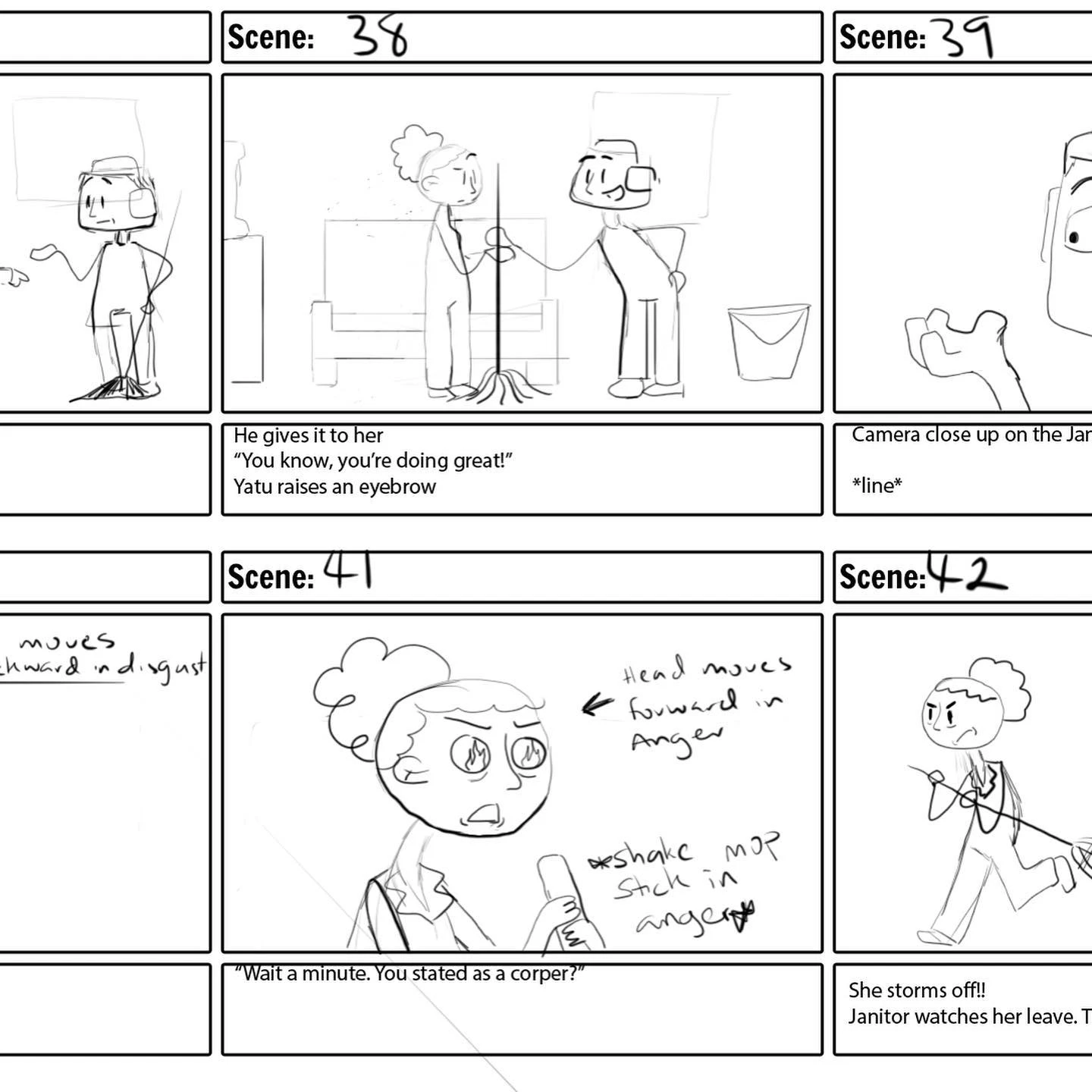
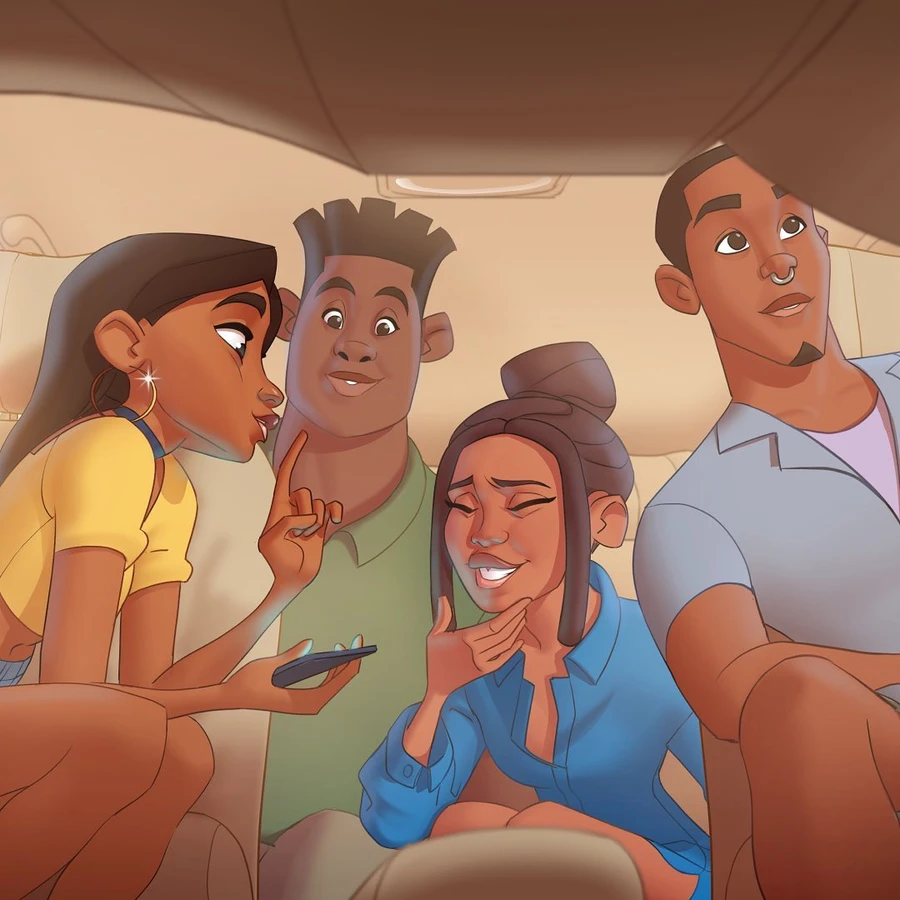

Drawing 21,700 frames for a single animated film is no small undertaking. That is how much work animator Ivie put into Organic Fall, the third episode of E Dey Happen, an independent animated series developed through Wuruwuru. The drawings, completed between August and December, represent just one part of a production involving writing, character design, voice acting, sound, and months of collaboration. For Wuruwuru, the creative playground founded by Father Merry, this commitment to making ambitious ideas happen has gradually become something much bigger than producing animated films. What began as an experiment with the Nigerian animated short Hanky Panky has developed into a community studio where artists, designers, filmmakers, and other collaborators can come together to make the kinds of projects they want to see in the world.
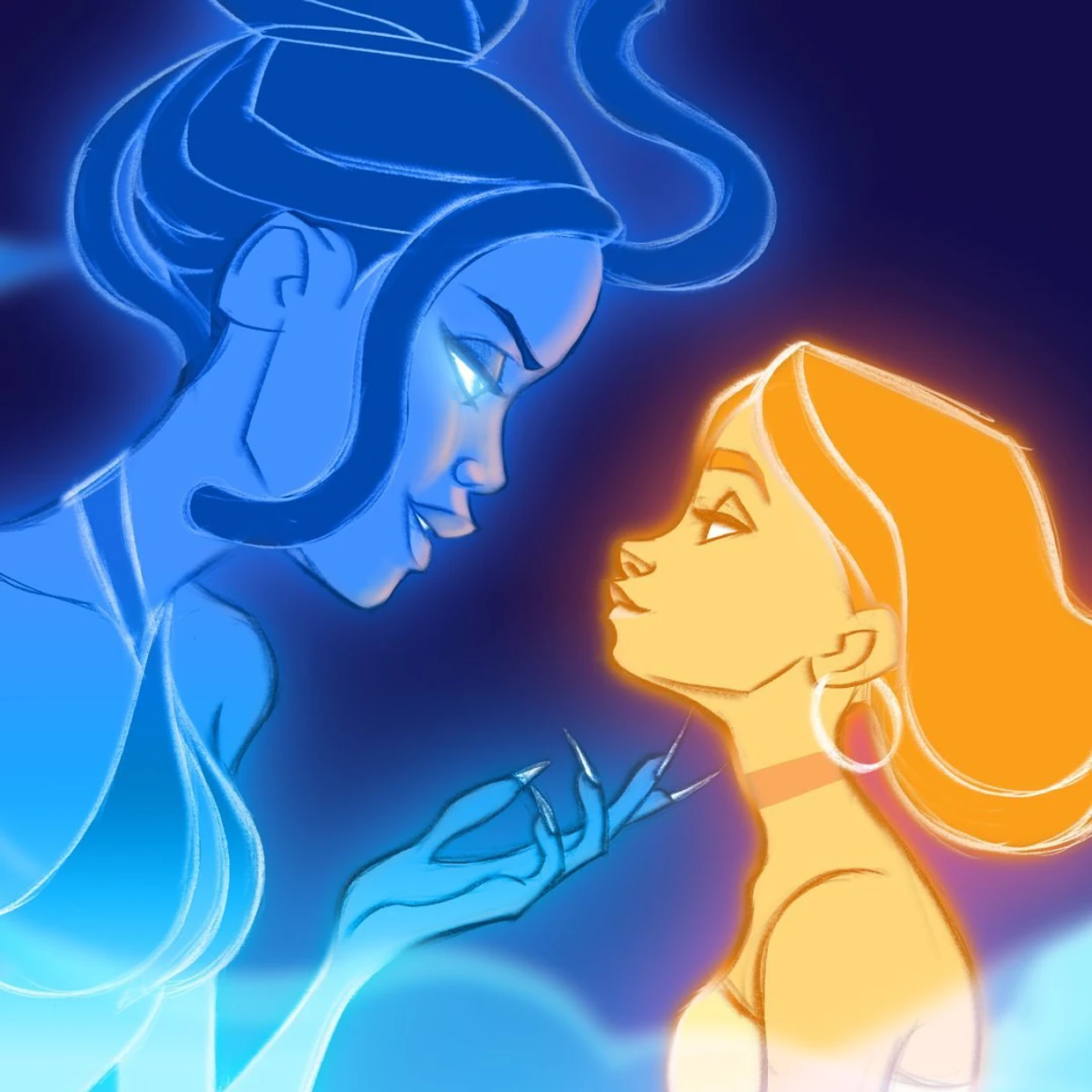
E Dey Happen is particularly interesting for how much care has gone into building its small fictional world. Developed over nearly three years with long-term collaborators Eris and Ivie, the animated series follows three housemates, each taking the spotlight in a different episode. Yatu leads the first, Beju takes centre stage in the second, The Beju Prayer, and Doja's story unfolds in the third, Organic Fall. The series brings together humour, everyday relationships, and the peculiar situations that arise when people share a living space. Its characters and stories have been developed gradually, with each episode offering an opportunity to improve the animation and explore the relationships between the housemates. By the third instalment, all three characters come together, giving the team a chance to develop ideas that had been taking shape throughout the series.
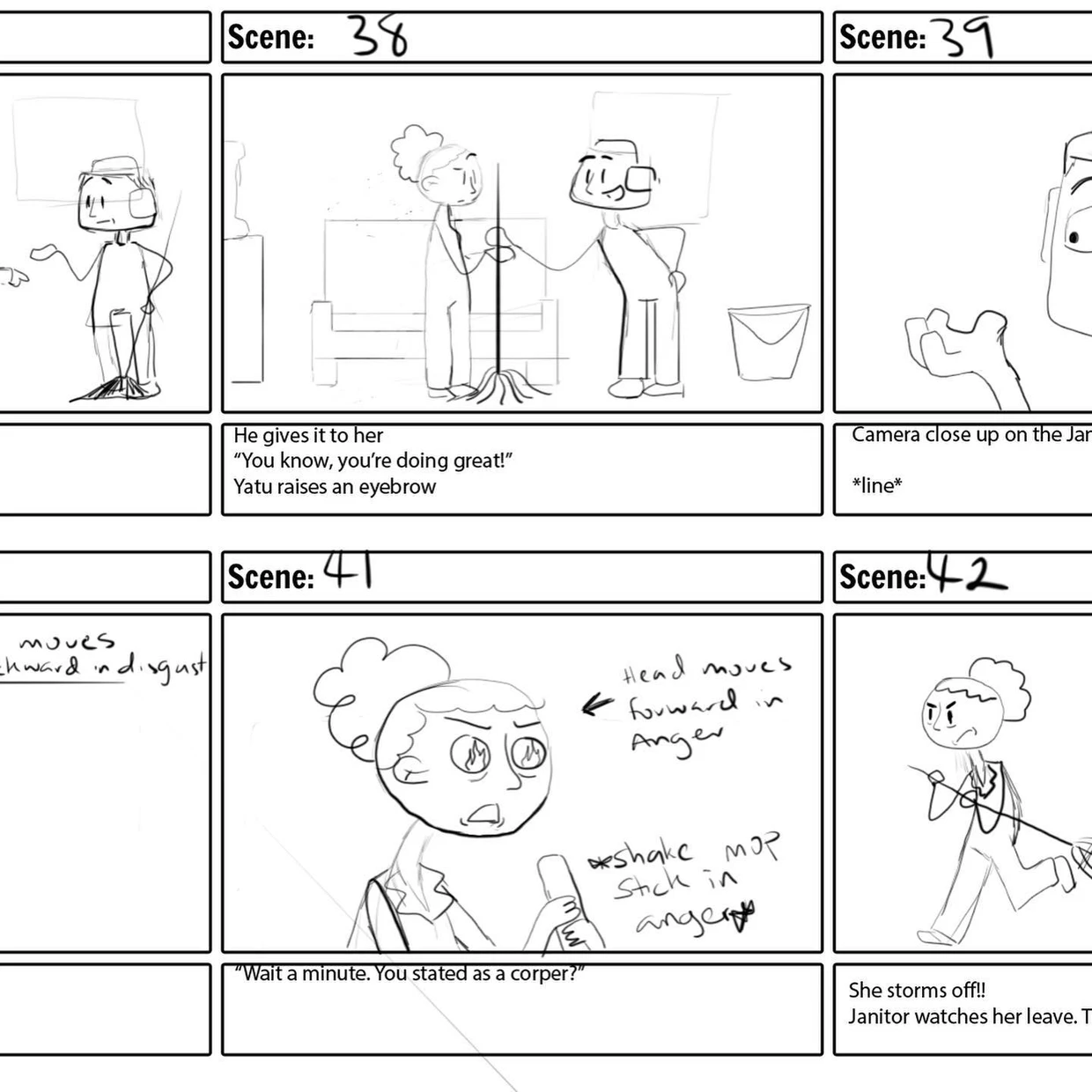
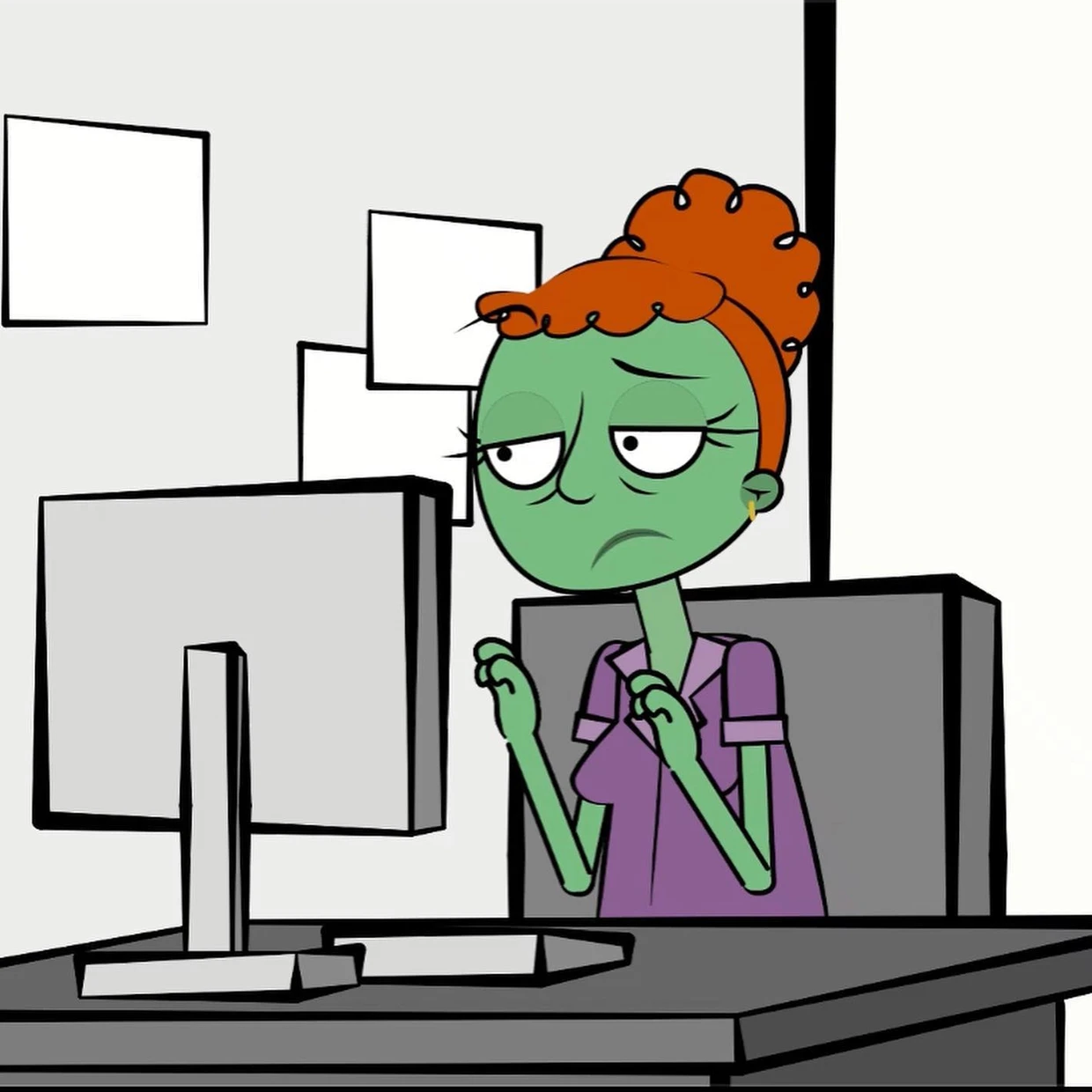
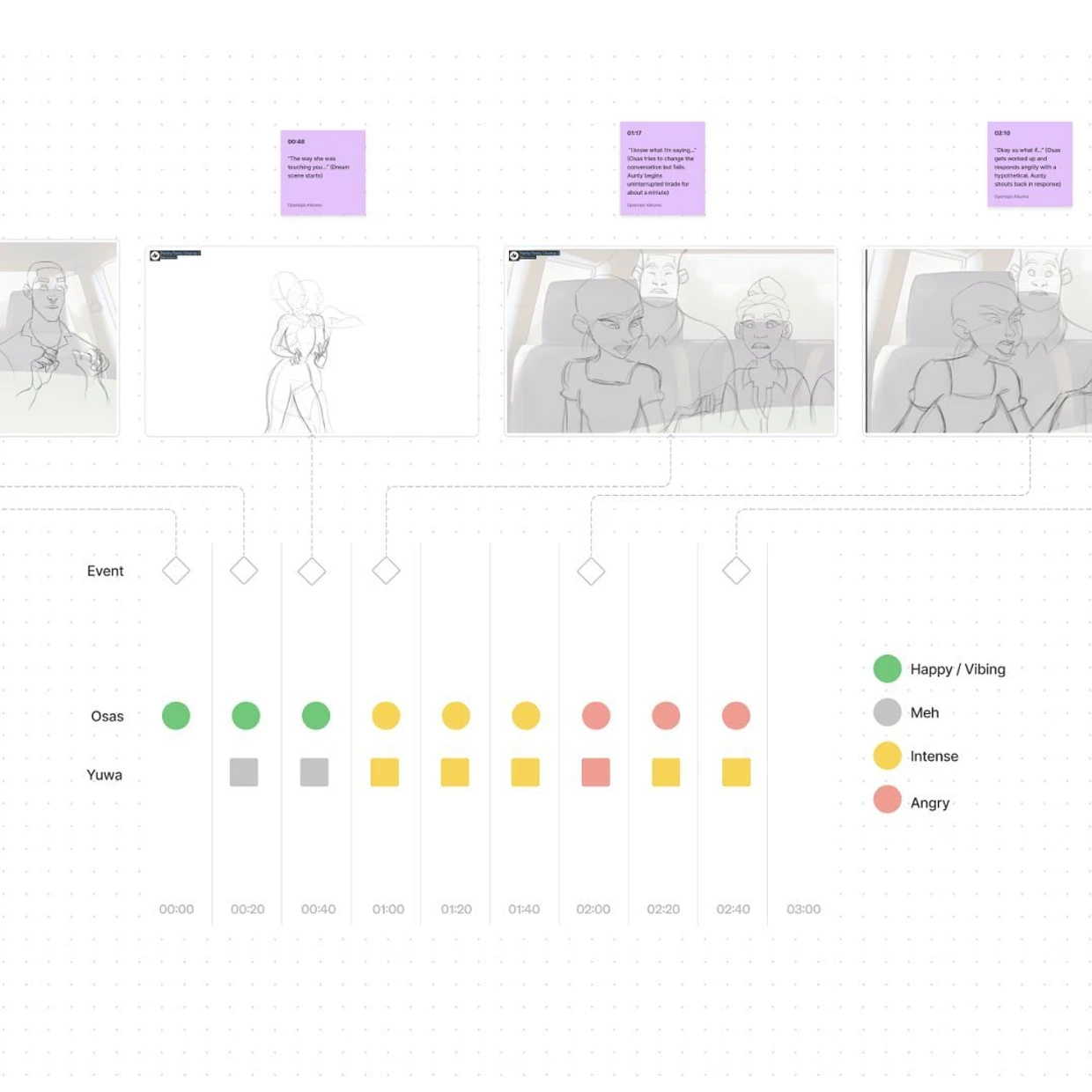
There is something worth appreciating about the patience required to make work like this independently. Wuruwuru regularly shares glimpses of its production process, revealing the many stages that sit between an idea and a finished film. Scripts become storyboards, characters need voices and environments, and individual drawings must eventually come together with movement, sound, and timing. The studio also documented the making of Hanky Panky through a companion documentary, giving audiences another opportunity to understand the people and decisions behind the animation. We enjoy this openness because it makes independent filmmaking feel more approachable without pretending the work is easy. It also draws attention to the contributions of collaborators whose efforts are often less visible than the finished film itself.
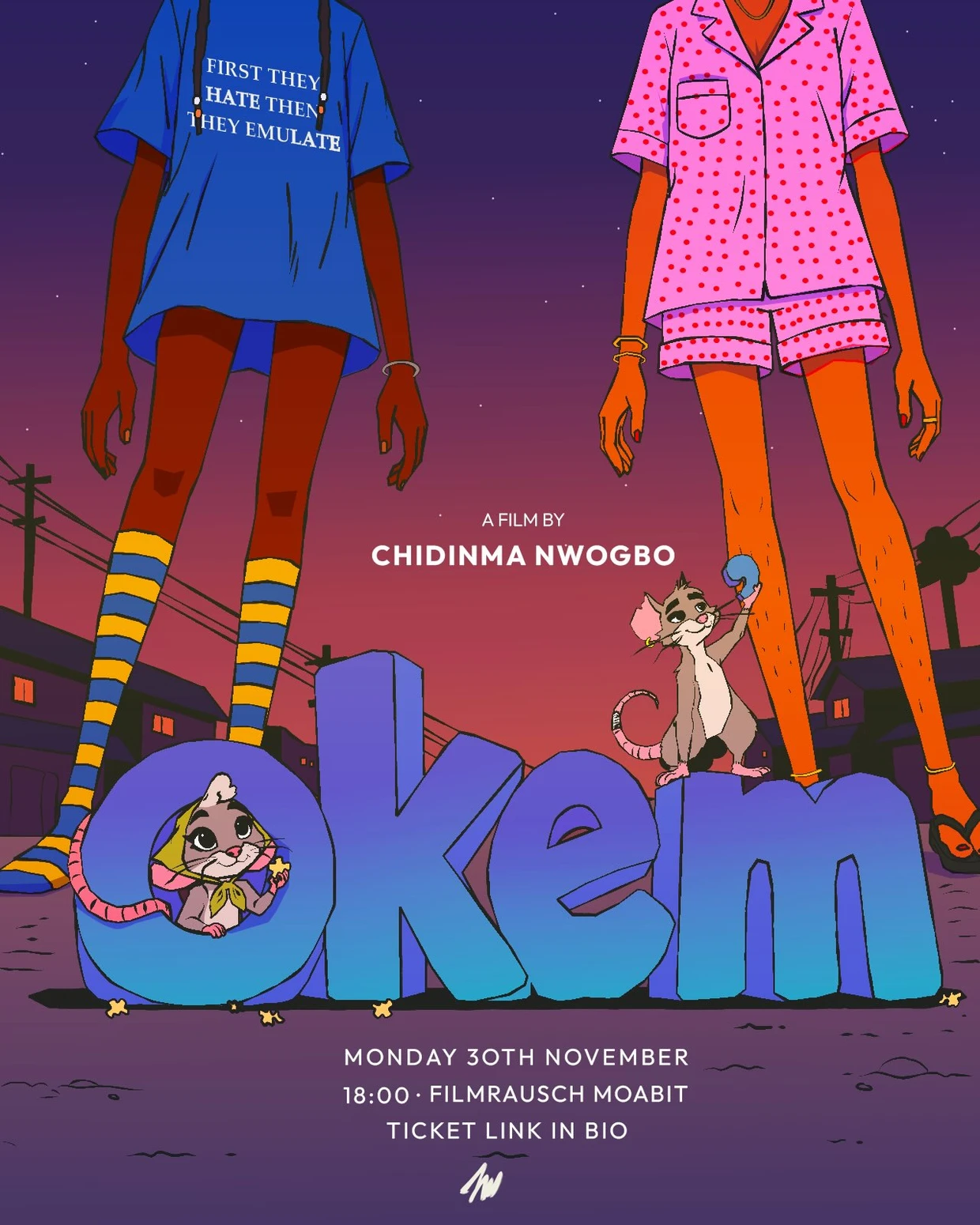
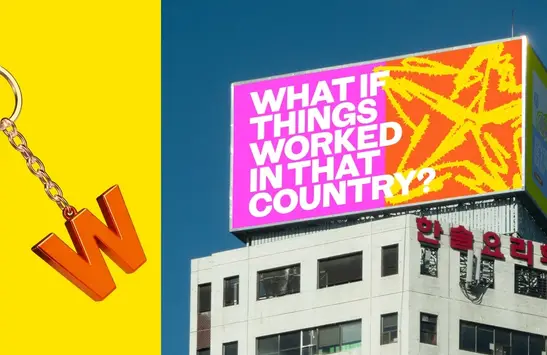
Animation is only one part of Wuruwuru's interests. Its creative experiments extend into graphic design, editorial projects, zines, and community gatherings, bringing together people working across different disciplines. The studio has contributed to projects such as Feel Good, an anthology with a playful illustrated identity, and has been involved in visual work surrounding independent film screenings, including Chidinma Nwogbo's Okem. Initiatives such as Album Cover Bank, Paper Run, and Show & Tell suggest an interest in creating opportunities for artists to share, publish, and encounter one another's work. That thinking also informs Independent Arts, a developing initiative conceived as a self-organising network of people, ideas, and resources. Created with a visual identity designed by Tomiwa, it explores how independent creative projects might receive the financial and collaborative support they need to move beyond their earliest stages.
What we find most encouraging about Wuruwuru is the willingness to build the things it wishes existed. Making an animated series in Lagos comes with considerable challenges, particularly when a small team is responsible for the many disciplines involved in production. Yet Wuruwuru's response has been to keep experimenting, bring people together, and gradually develop a structure that can support more projects. Its work reminds us that a thriving creative community depends on more than individual talent. People also need collaborators, places to share unfinished ideas, opportunities to show their work, and practical ways to sustain the projects they care about. Through Hanky Panky, E Dey Happen, and the growing collection of initiatives around them, Wuruwuru is exploring what becomes possible when creators begin building those opportunities for themselves.