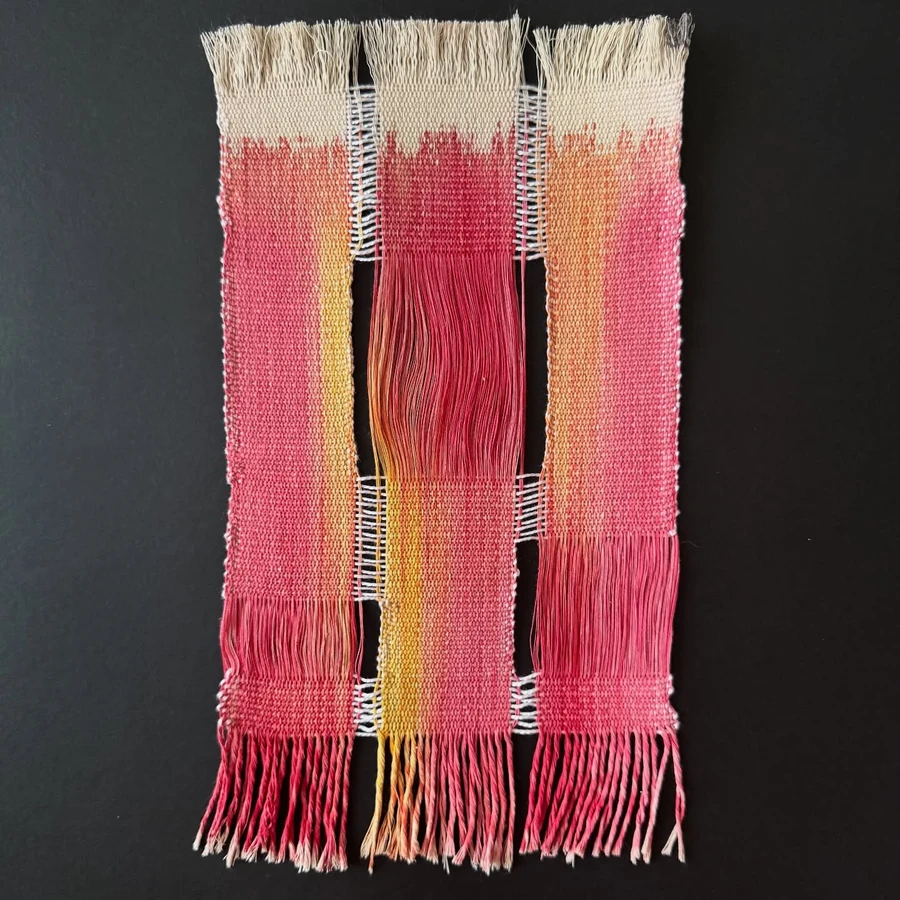

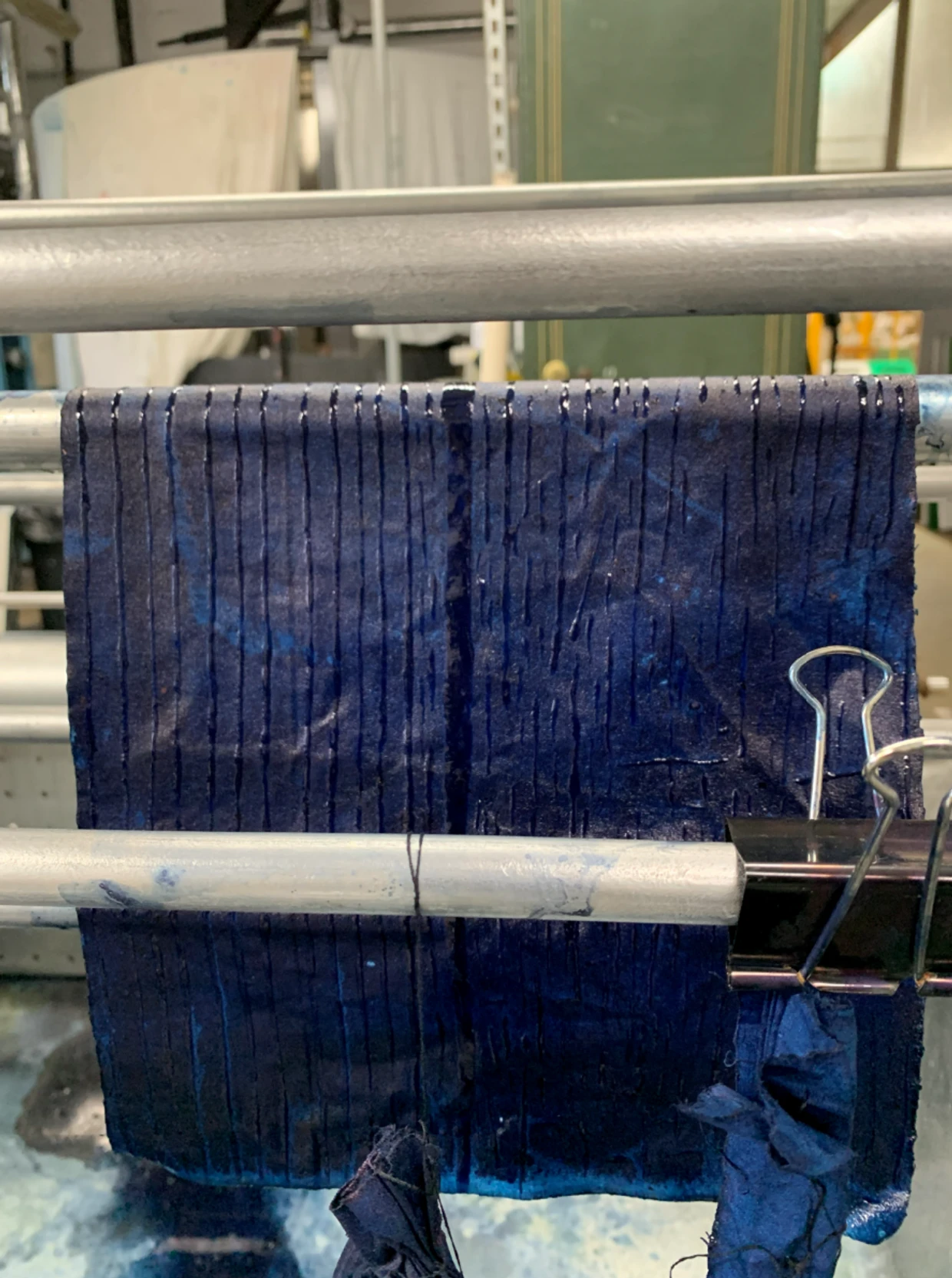
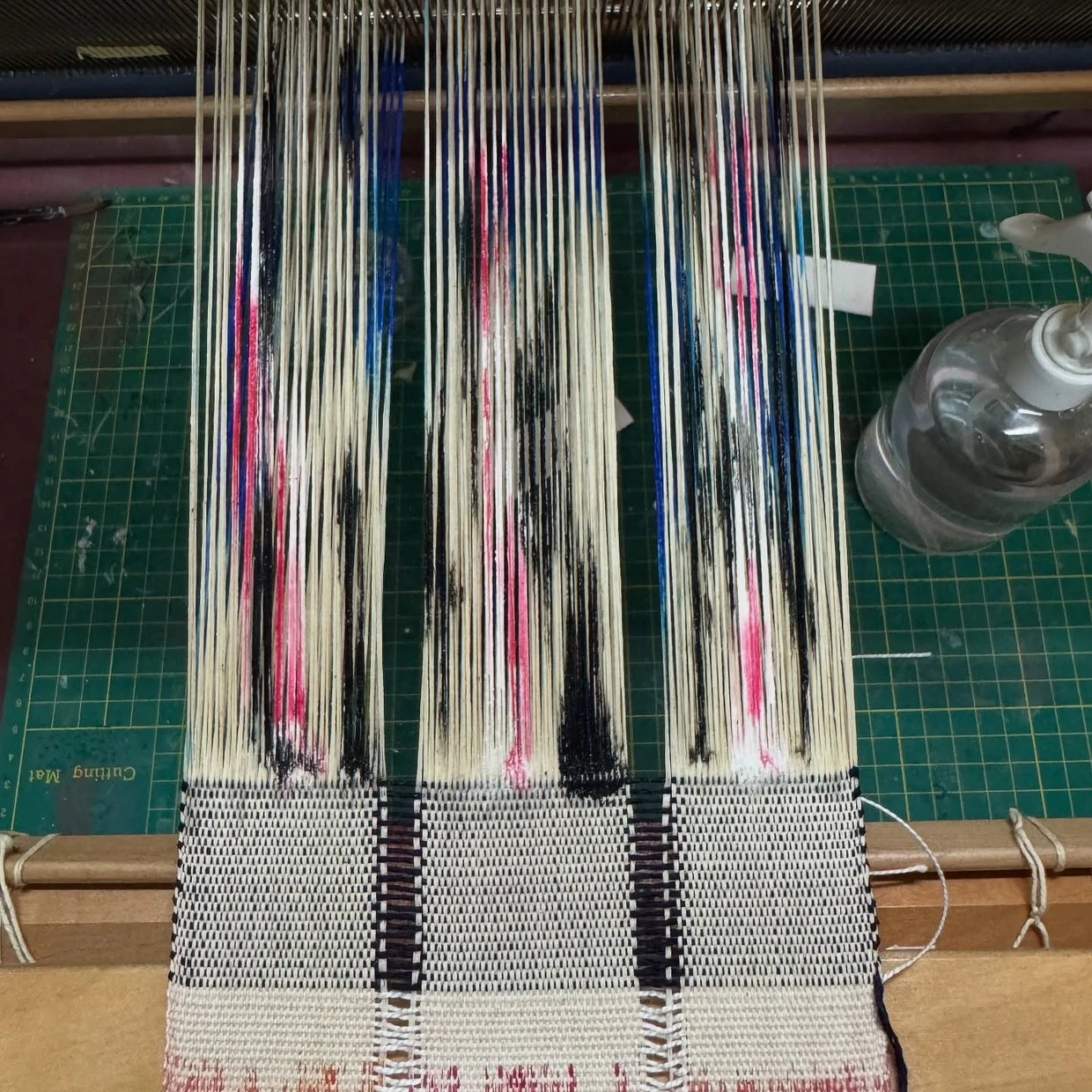
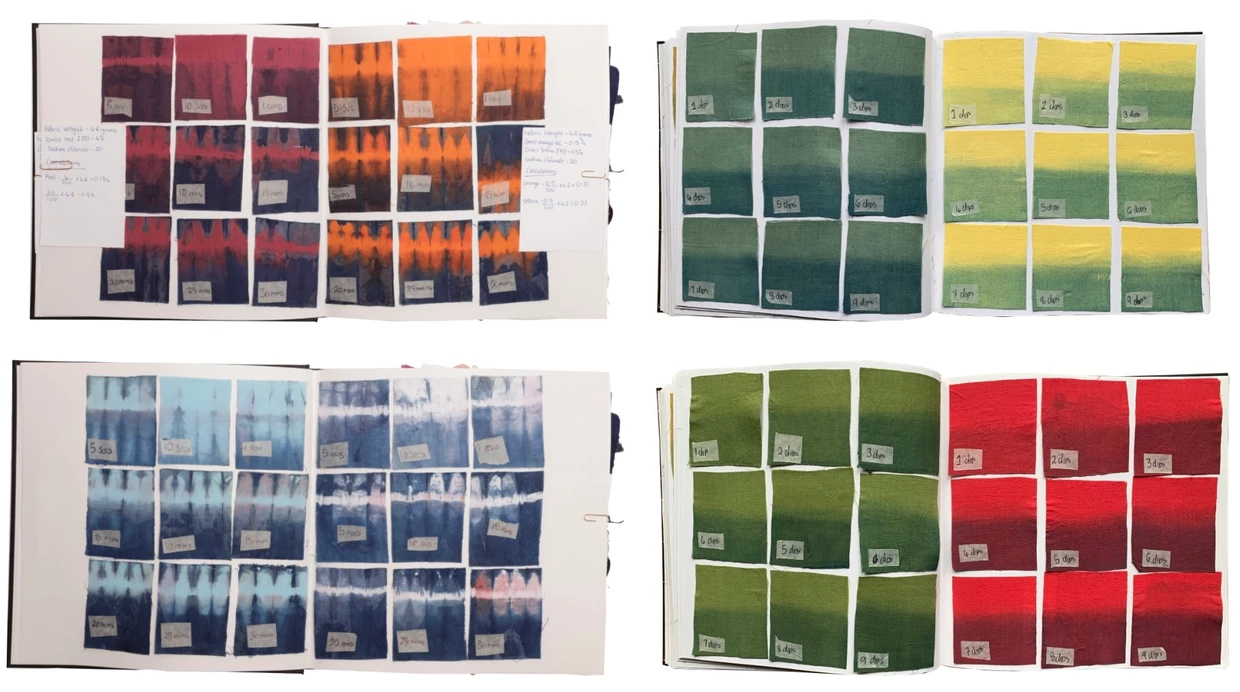
Khadija Dikko once turned memories of her family home in Kaduna into a series of woven textiles. Using a technique known as woven shibori, she experimented with threads, structures, and dye to create patterns inspired by the spaces she remembered growing up. The process involved introducing floating threads into the weave, which could then be manipulated during dyeing to produce unexpected colours and textures. It is a lovely example of how Khadija approaches textile design, bringing together personal experiences, technical experimentation, and an interest in the possibilities of cloth. The Lagos-based textile designer and fibre artist works across weaving, printmaking, research, and material development, exploring how fabrics can carry stories about identity, culture, and the places we come from.
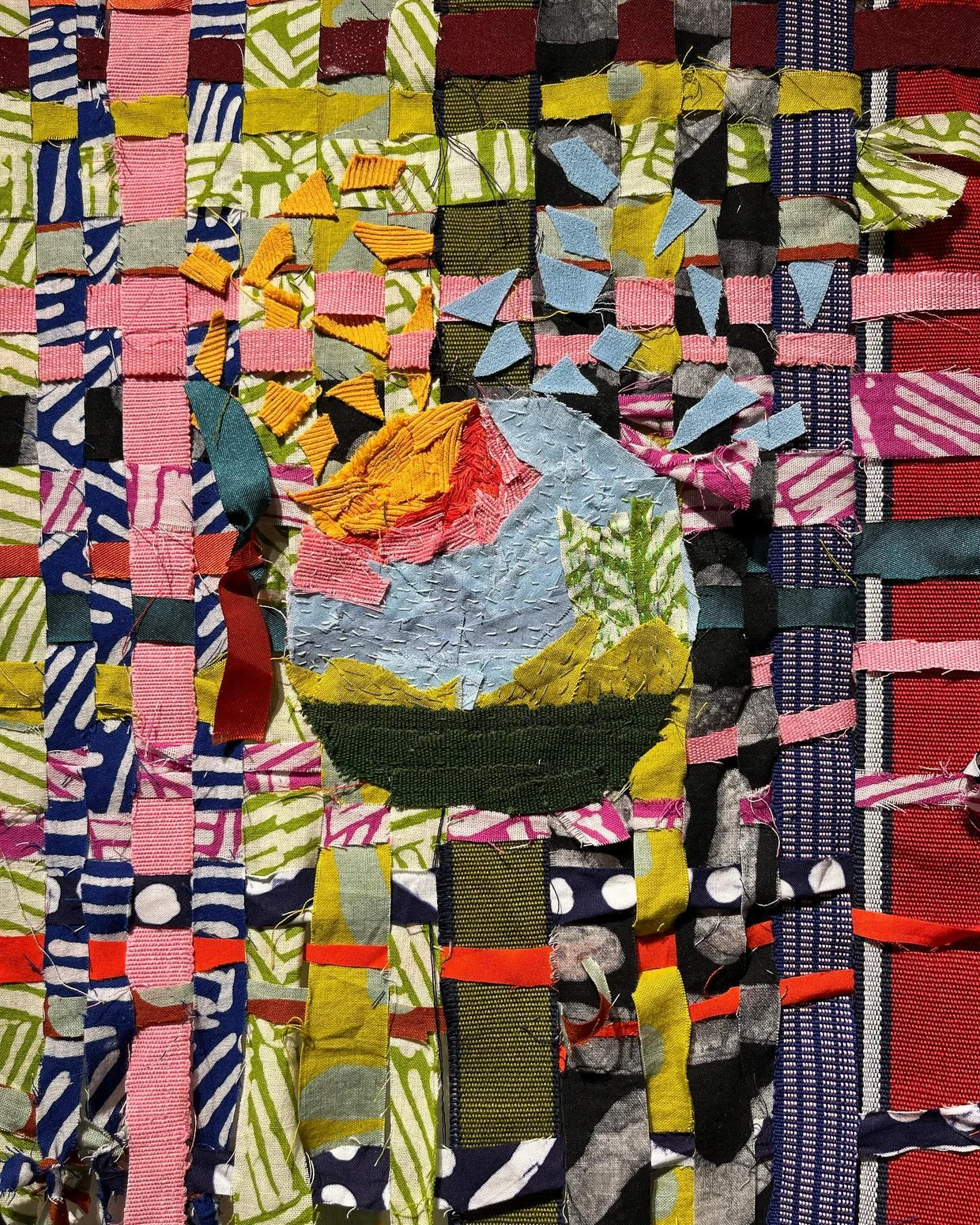
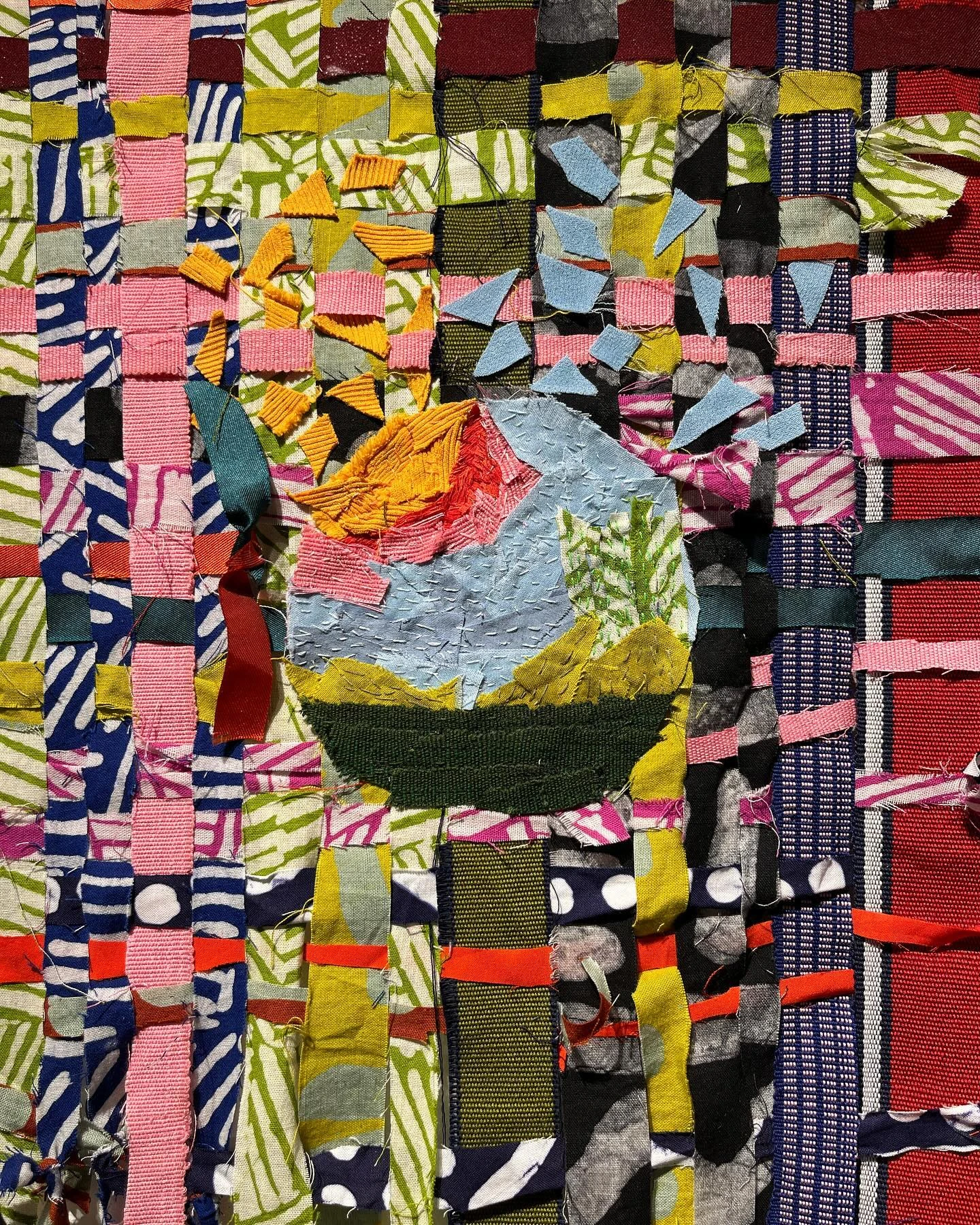
Khadija's interest in weaving developed during her studies at Falmouth University in the United Kingdom, where she specialised in woven textiles. She later continued her education at the Royal College of Art, expanding her practice through research into colour, identity, and cultural heritage. Her work reveals just how much consideration goes into constructing a piece of fabric. Before a finished textile emerges, there are yarns to select, colour combinations to test, weaving structures to plan, and samples to produce. Looking through her studio experiments, we encounter carefully arranged swatches, dyed threads, woven surfaces, and notebooks filled with material studies. Some compositions explore subtle changes in texture, while others bring together contrasting colours and patterns to create more expressive surfaces. We particularly enjoy how openly she shares these processes, allowing us to appreciate the decisions and discoveries involved in making textiles by hand.
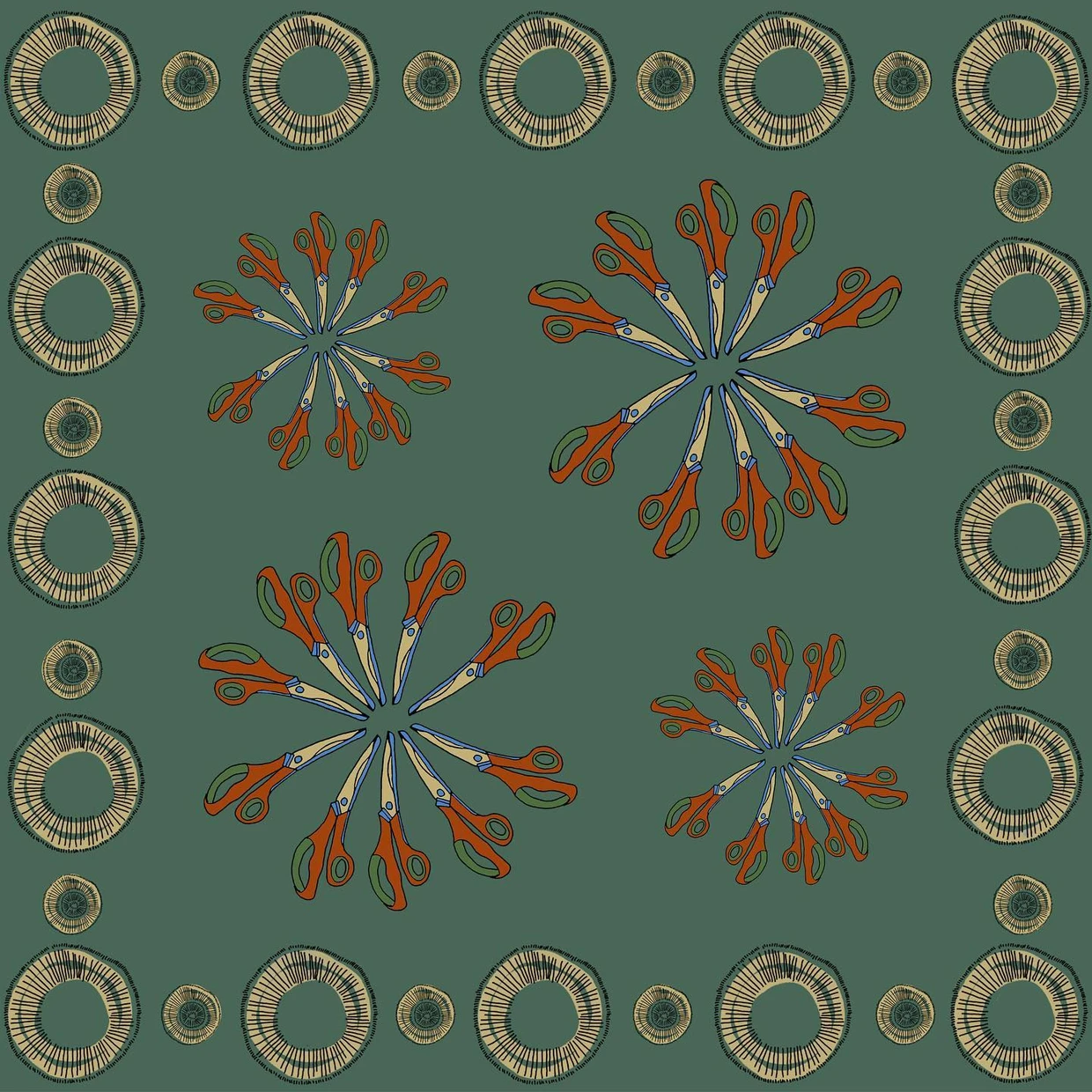
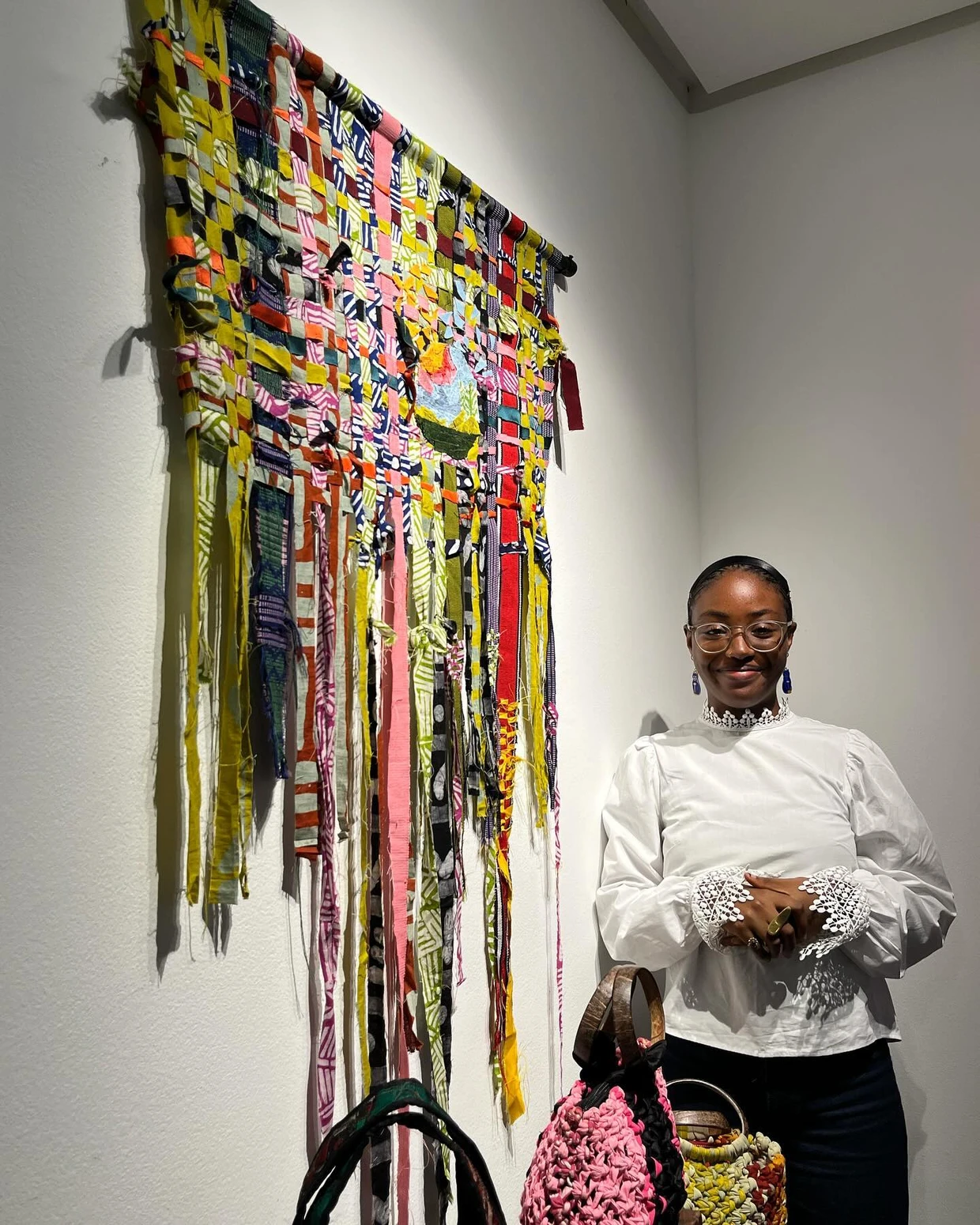
After completing her studies, Khadija began exploring how her practice could develop within Nigeria's textile and design industry. Her work with THIS IS US, a Nigerian design and lifestyle brand, has included textile development and a period serving as Head of Textiles and Home. Moving between academic research and commercial production has given her opportunities to consider how experimental weaving techniques can translate into products and materials intended for everyday use. Her practice also extends into printed matter, including hand-worked zines, colour studies, and art books that allow her to explore visual ideas beyond the loom. In 2025, her work was included in Remember When?, an Art Meets Design exhibition presented by Nomadic Art Gallery in collaboration with BoConcept Nigeria in Lagos. The exhibition brought together artists and designers working across different disciplines, offering another setting for her exploration of materials, memory, and the relationship between art and functional design.
Khadija is equally interested in the people and knowledge behind the materials we use. Through workshops, demonstrations, and public conversations, she shares her experience of weaving while encouraging others to explore textile-making and related creative practices. Her activities have included zine-making workshops, textile experiments, and conversations about the place of traditional craftsmanship in contemporary Nigerian design. In an episode of Archiving Fashion, she discussed what it means to be considered an artisan in Nigeria's fashion industry. Her perspective is that artisanship comes from possessing practical knowledge and skill, particularly in work done by hand, regardless of whether that knowledge was acquired through formal education. It is an important distinction in an industry where generations of makers have developed remarkable expertise outside conventional classrooms. Through these conversations, Khadija draws attention to the value of their knowledge and the need to understand how artisanal production actually works.
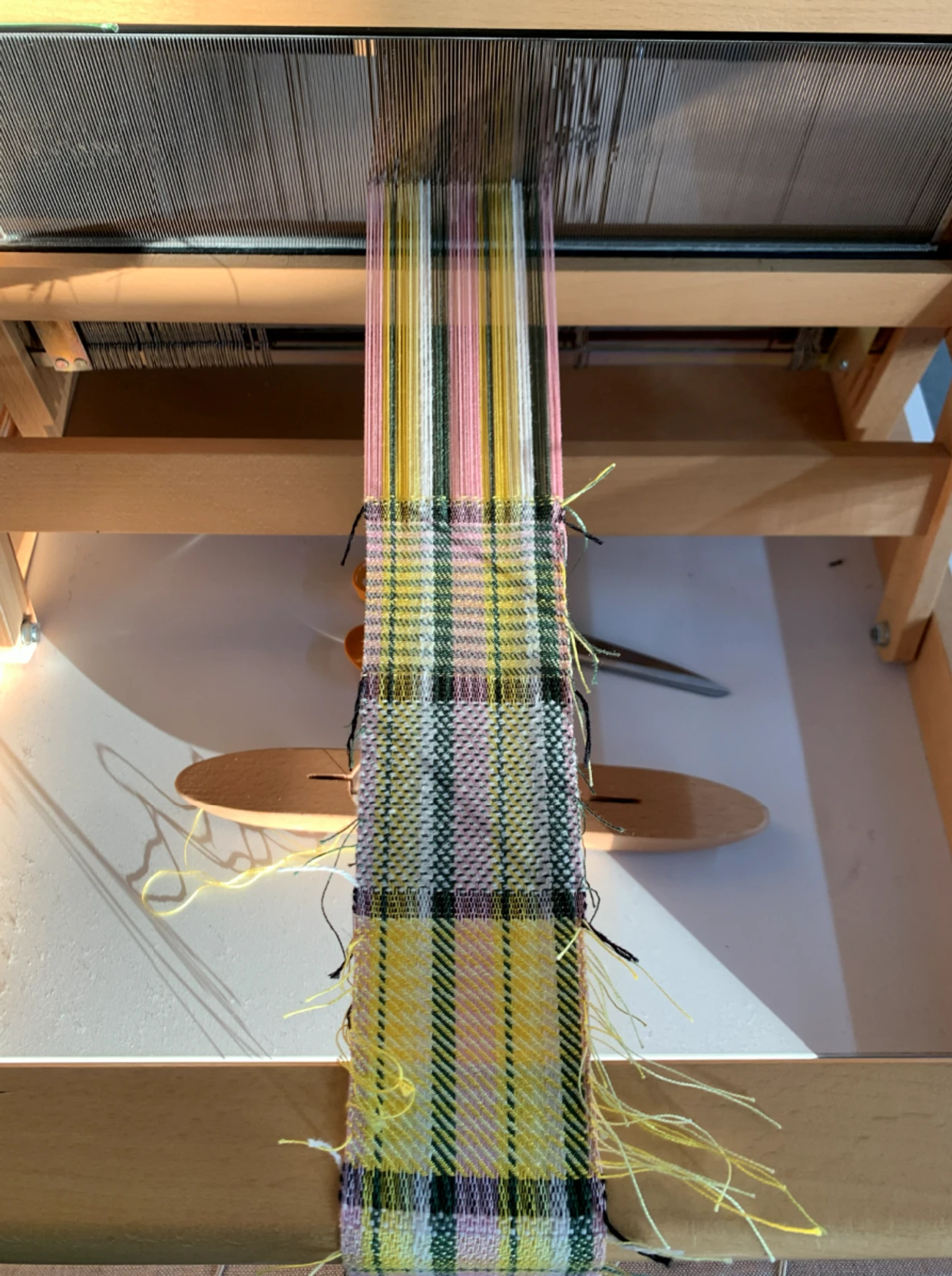
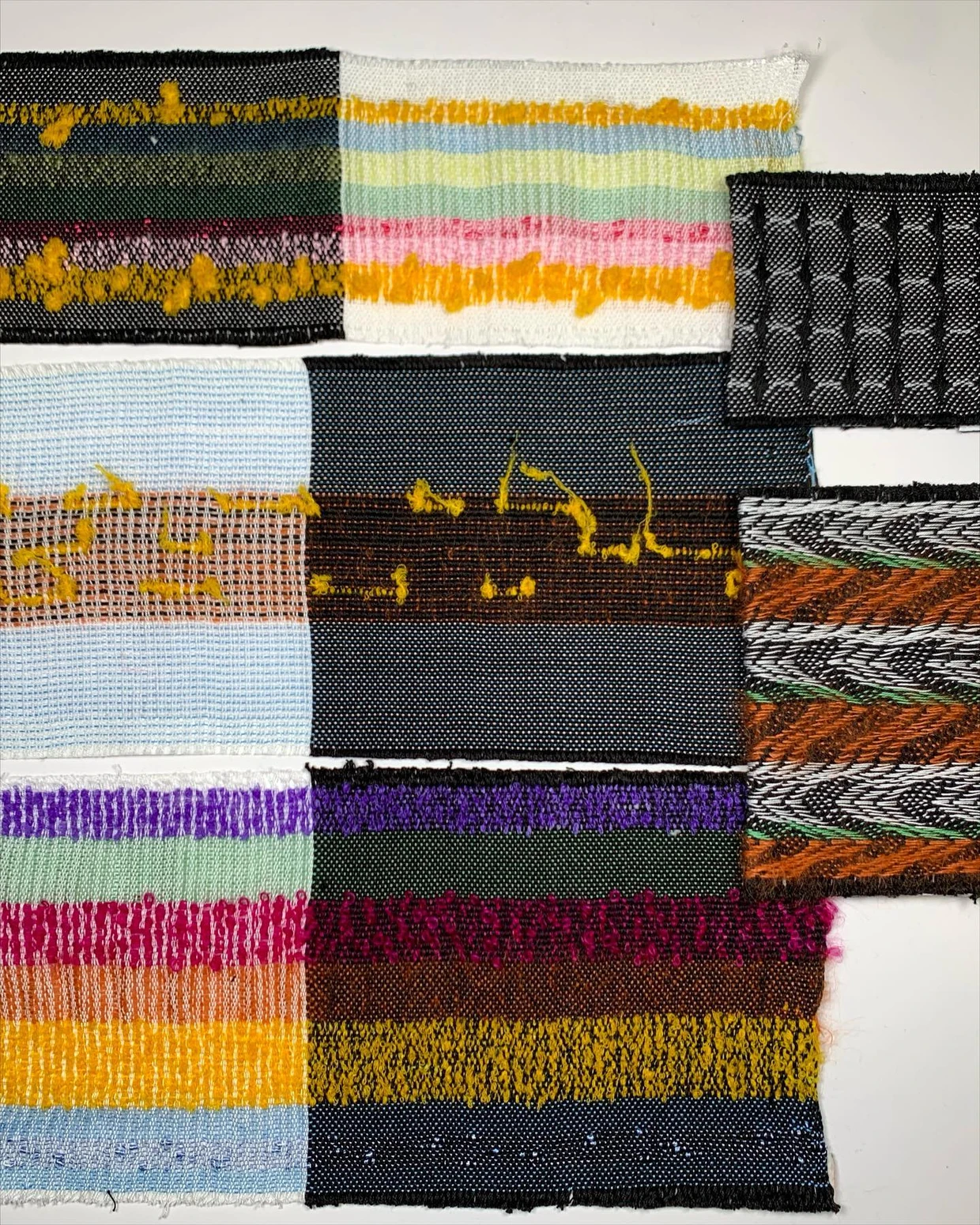
What we find especially interesting about Khadija's practice is how closely her research remains connected to the act of making. Her work might begin with a memory of Kaduna, develop through experiments on a loom, and eventually become a woven surface, printed object, or collaborative project. Each stage offers opportunities to discover something about the material and the ideas behind it. We also appreciate her willingness to share what she learns, whether she is demonstrating a weaving technique, discussing her experience with Nigerian artisans, or inviting people to experiment during a workshop. Her practice brings together the technical discipline of textile construction and a personal curiosity about culture, identity, and everyday life. In doing so, Khadija encourages us to look more closely at the fabrics around us, the hands that produce them, and the stories they can hold.