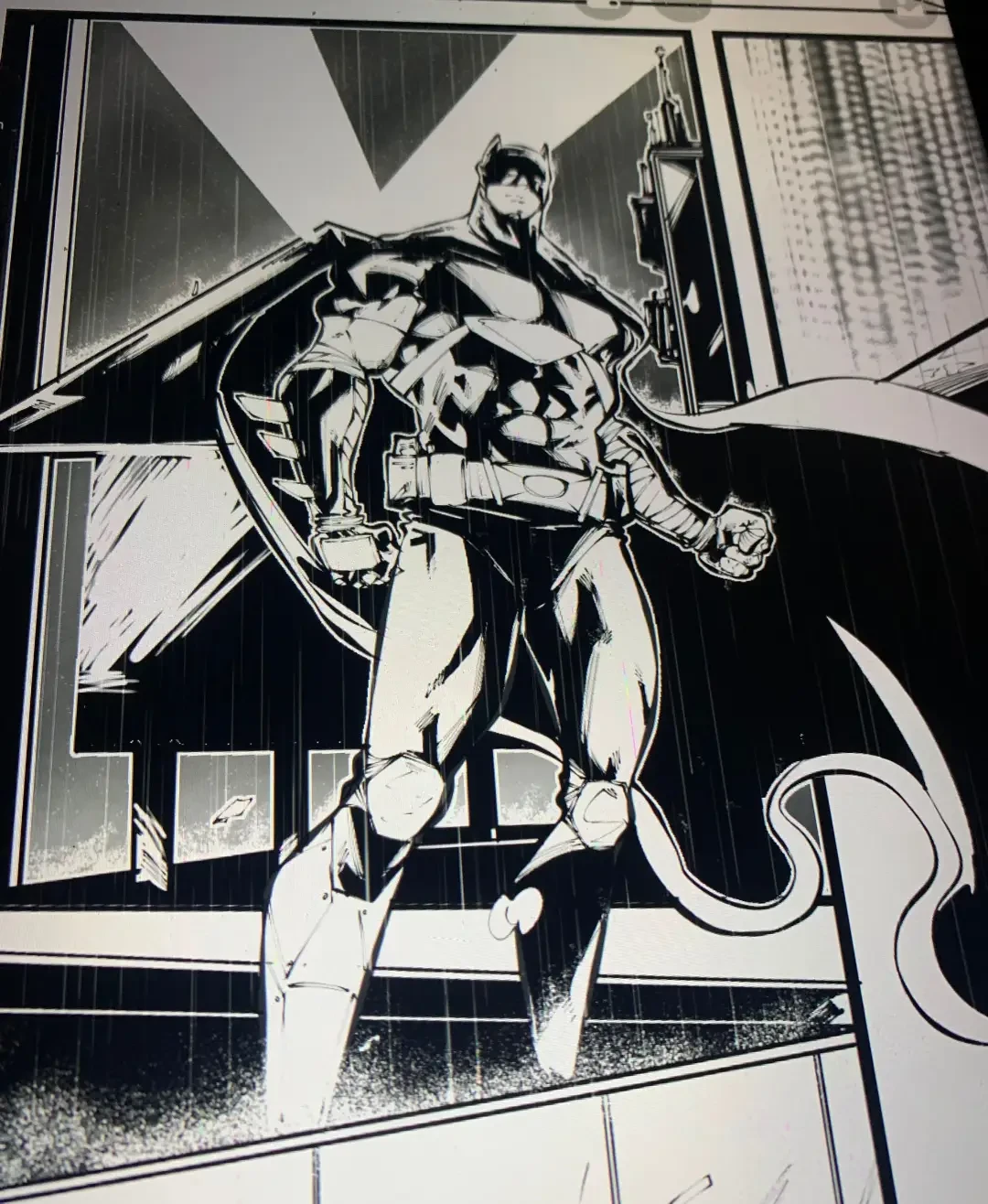
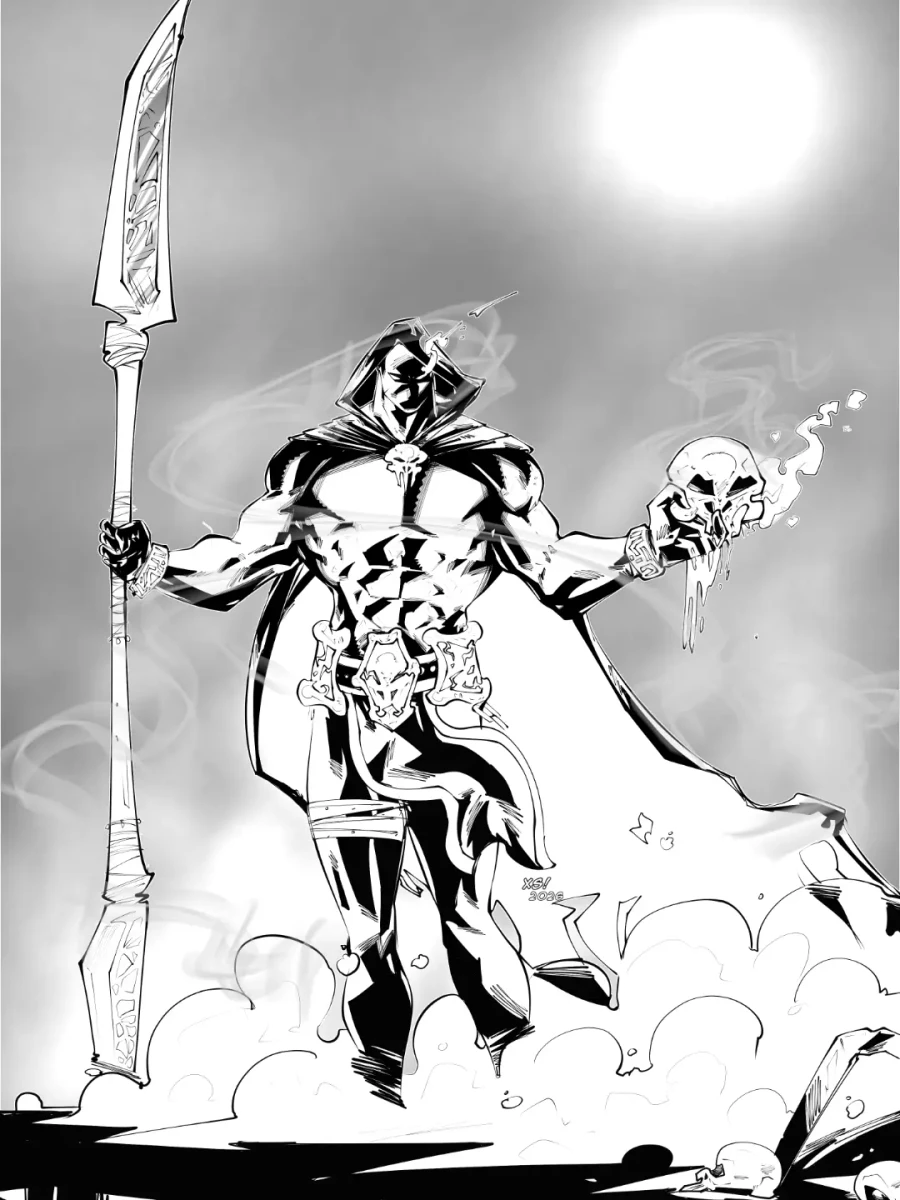

Ayotunde David Opeyemi was working on the final page of a three-page Batman fan comic when he shared a video of his rough sketches. The drawings were still loose, with unfinished figures and lines that would eventually become part of the finished sequence. He seemed to be enjoying that stage of the process just as much as the completed artwork. It is a useful introduction to the work of the comic artist and illustrator, whose interests revolve around superheroes, action sequences, and the possibilities of African comic-book storytelling. His illustrations bring together familiar characters from established comic universes and new figures from independent projects, often presenting them in dramatic poses or elaborate scenes. Through character designs, covers, and sequential pages, Ayotunde continues to explore how individual drawings can become part of much larger stories.
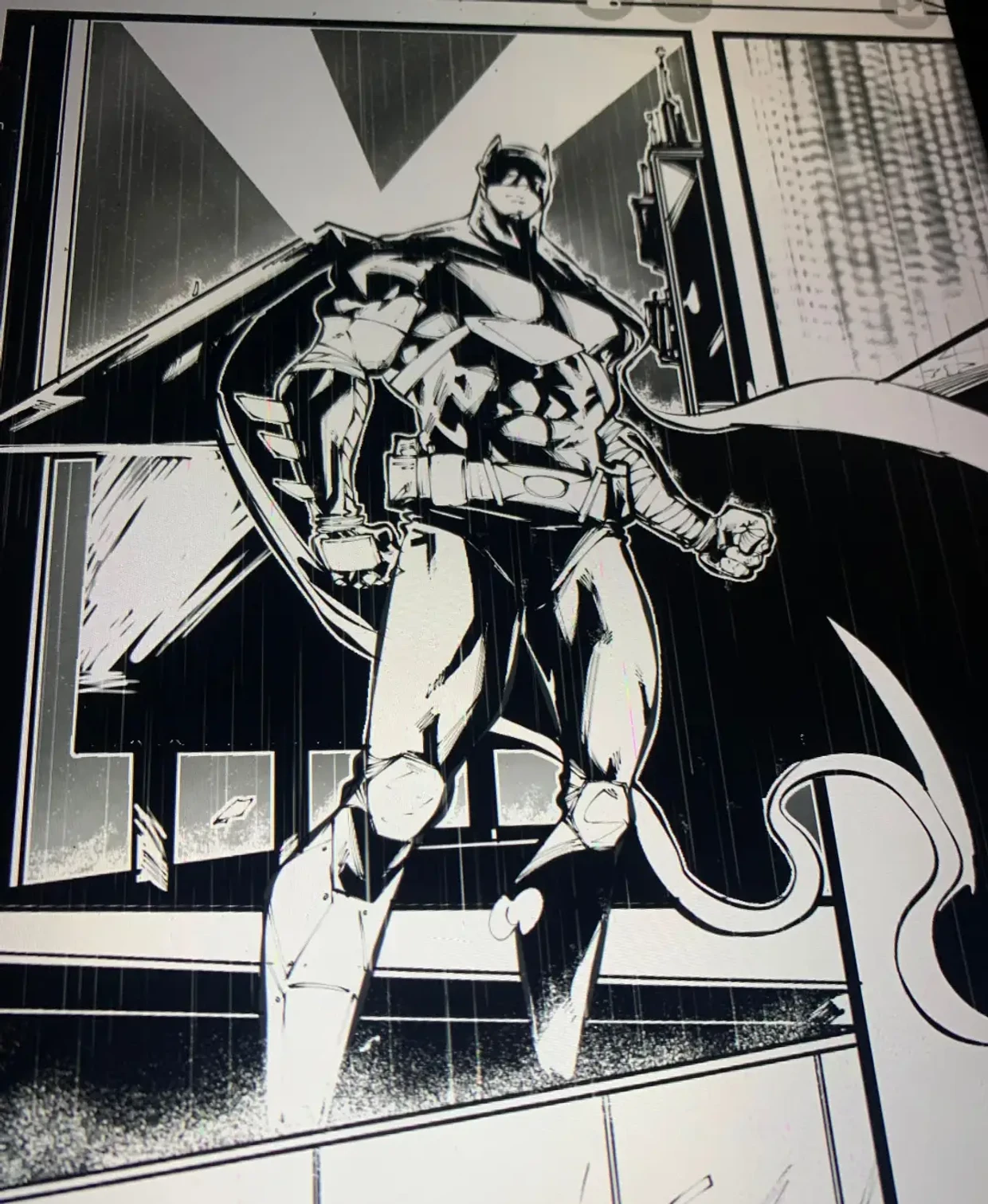
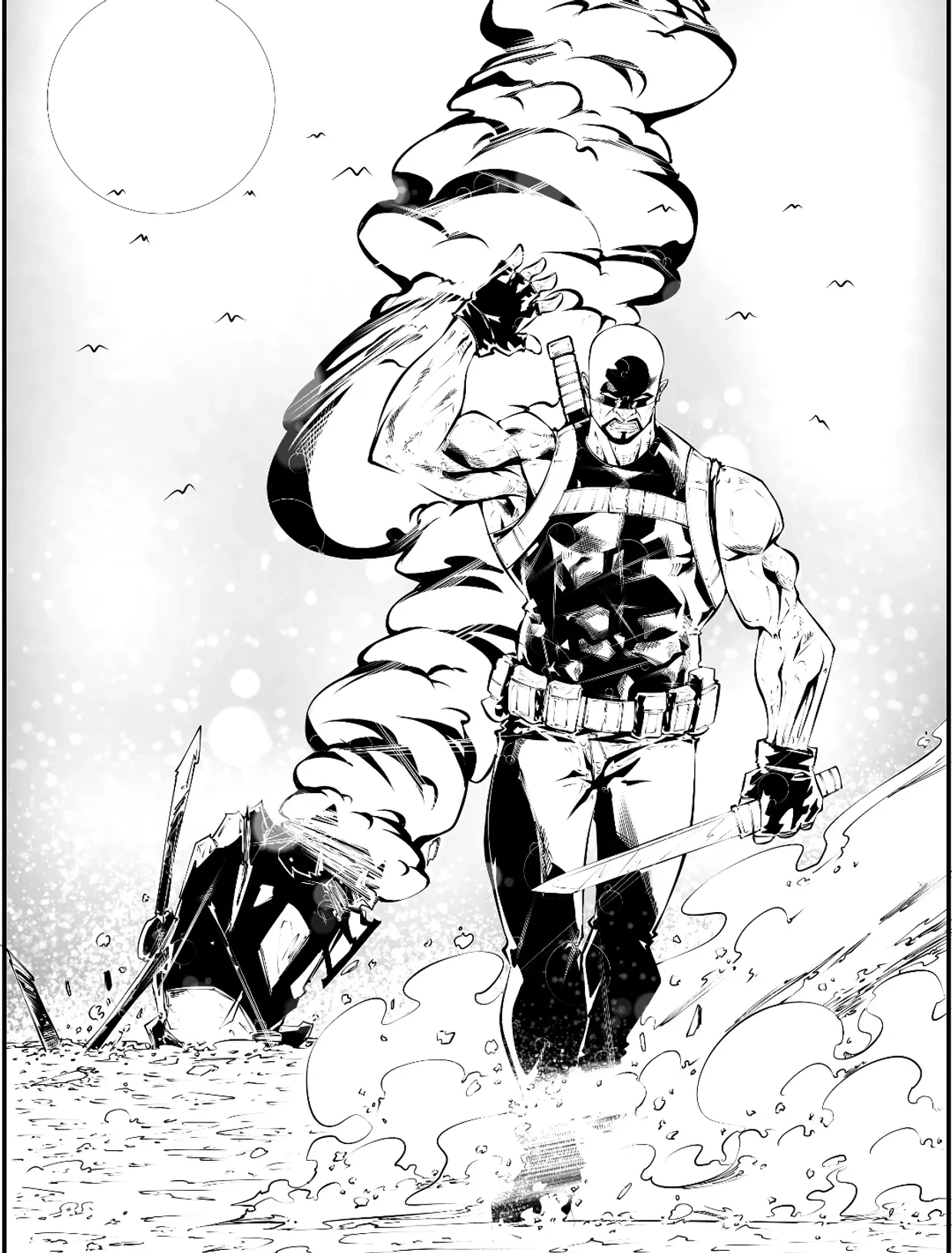
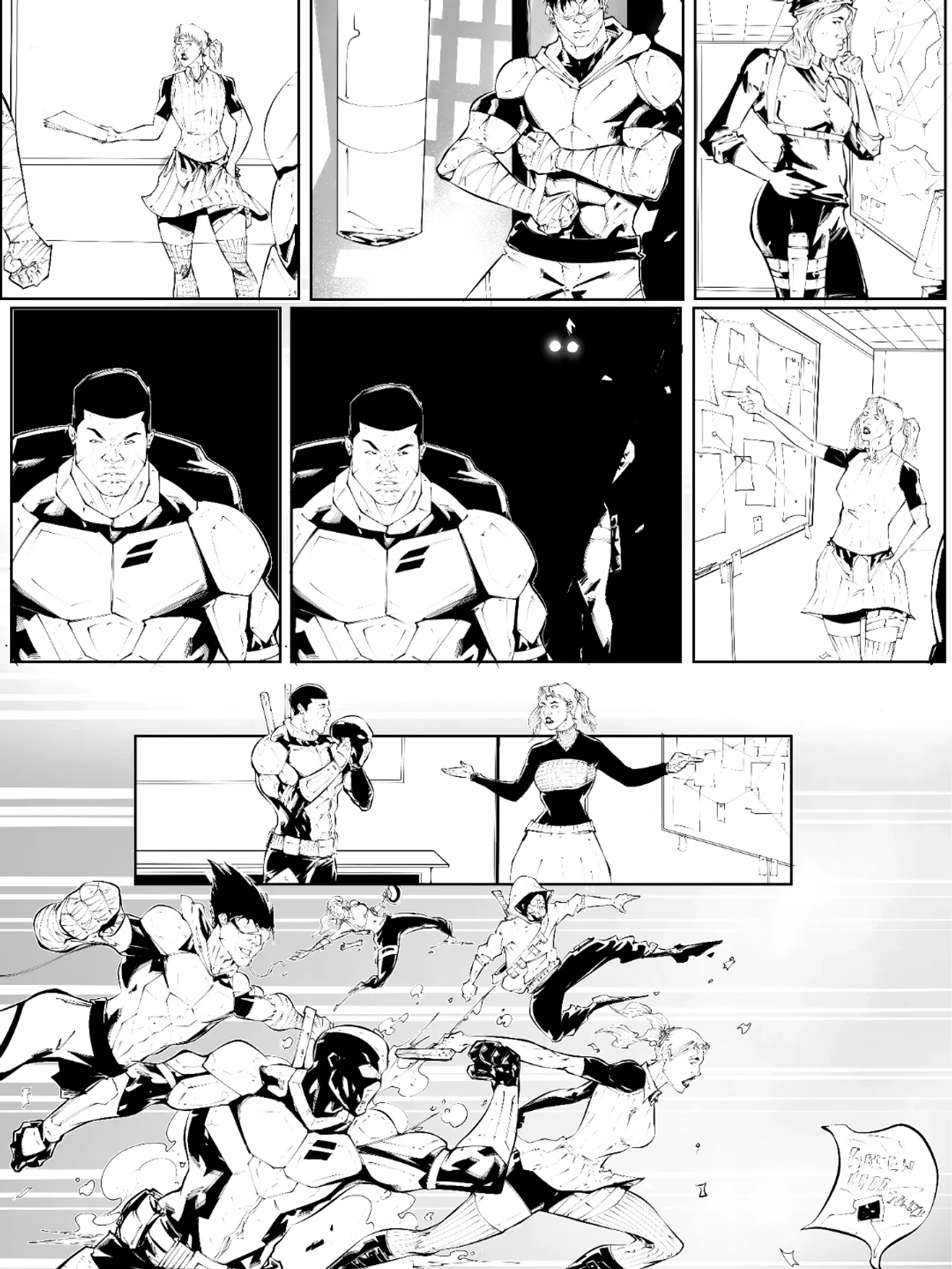
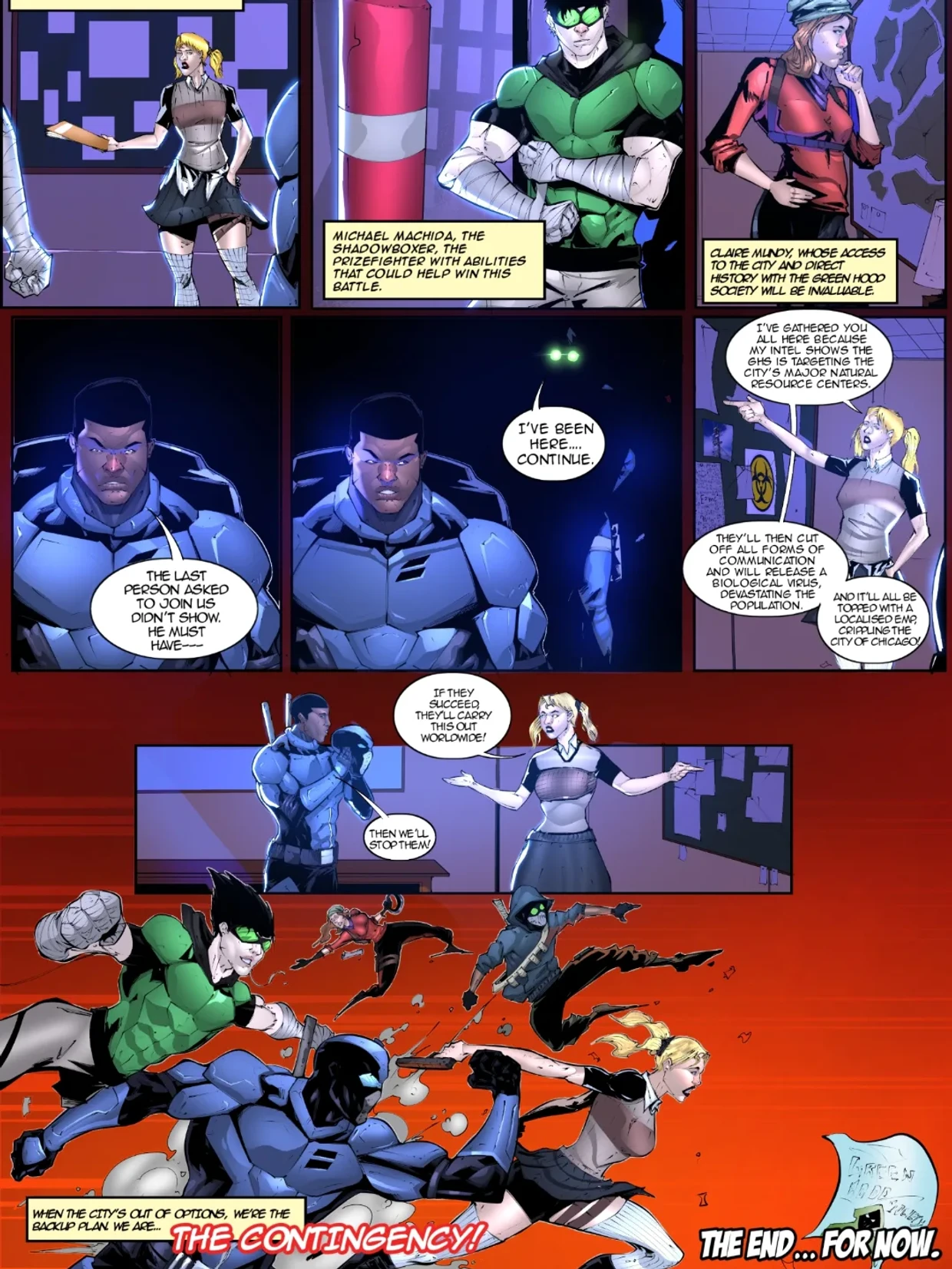
His comic pages are particularly interesting for the way he handles movement and action. Bold black outlines, carefully arranged panels, expressive figures, and dramatic perspectives help establish the rhythm of each sequence. Some pages are presented entirely in black and white, allowing the inked linework and contrasts to carry the composition, while others introduce colour, speech bubbles, and sound effects to heighten the action. His sample pages for Superboy: The Hunger offer a look at how he approaches sequential storytelling, with each frame contributing to the development of a scene. He has also produced a short Batman fan comic, using the familiar superhero as an opportunity to experiment with pacing and panel composition. We enjoy how much attention he gives to the transitions between moments, particularly the challenge of suggesting movement and dramatic action through a series of still drawings.
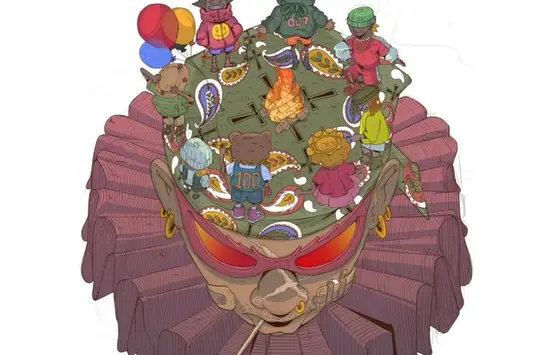
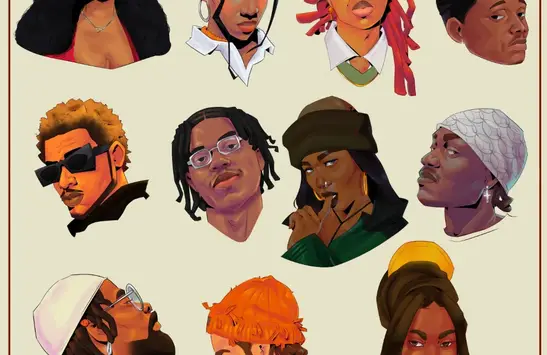
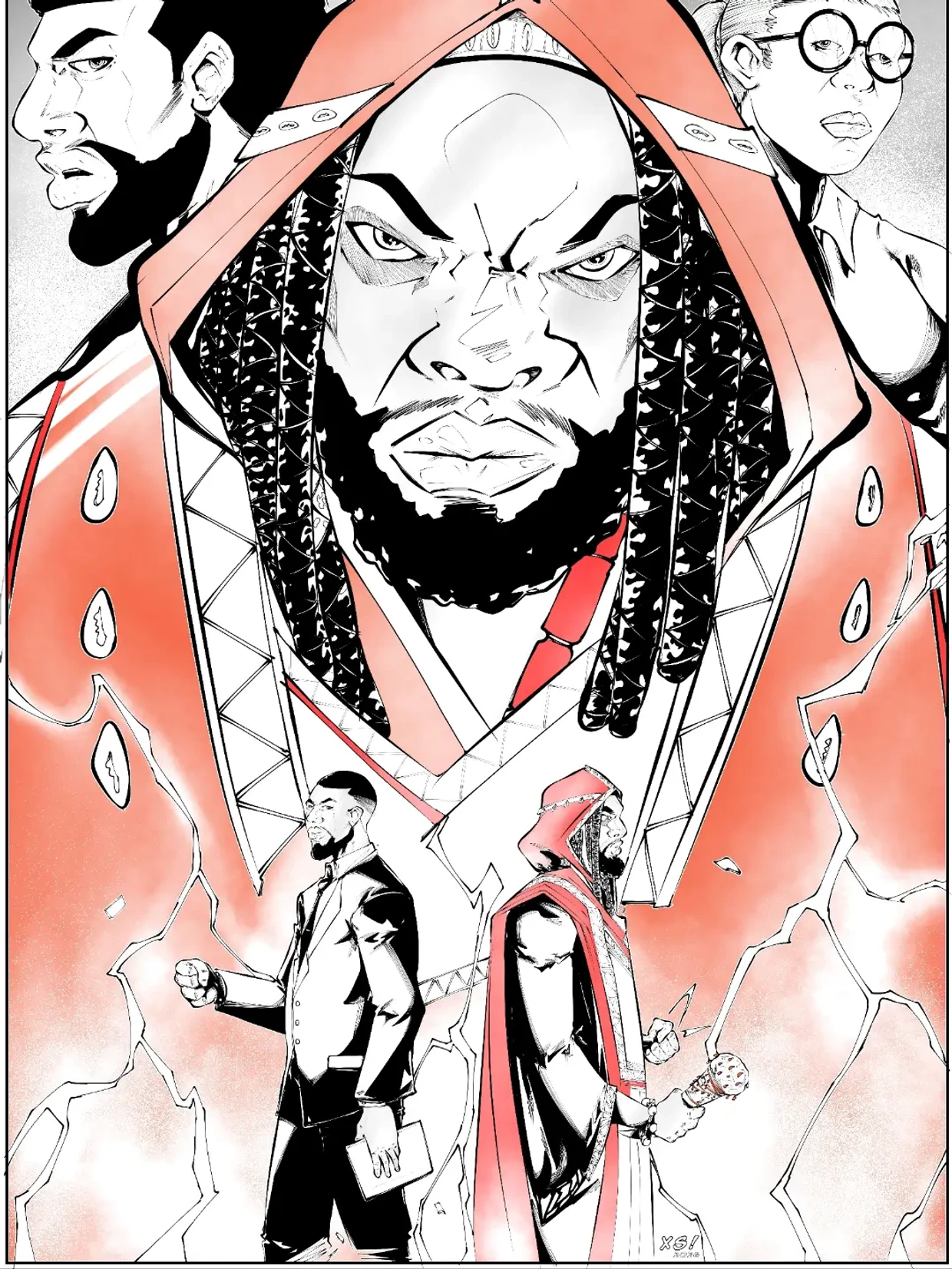
Beyond his personal experiments, Ayotunde contributes artwork to the wider independent comics community. One of his projects is an illustration for Shinobi Syndicate, bringing together the visual language of ninja and samurai stories with his energetic approach to character drawing. He has also shared artwork connected to E.P.I.C for Dark City Comics, alongside superhero illustrations and character concepts that reflect his enthusiasm for the genre. Another interesting piece is his fan cover for Agbara Nla: The Return, inspired by the Mount Zion film and its associated characters. Moving between these different projects gives him opportunities to experiment with costume design, expressions, weapons, supernatural abilities, and the dramatic qualities that make comic-book characters memorable. His work also reflects a growing network of independent comic creators and publishers who are developing their own stories and fictional worlds.
Ayotunde is quite open about the practical side of making his illustrations. He regularly shares drawing timelapses, rough sketches, and unfinished pages, allowing viewers to follow the development of an image from its earliest stages. Interestingly, much of this work is produced using a relatively simple setup. He has spoken about working on an 11-inch tablet connected to a Huion screenless drawing tablet and stylus, even though he has access to a computer. He particularly enjoys using the screenless tablet for rough sketches, finding it comfortable enough to make it part of his regular workflow. These details are interesting because they show how an artist develops a working process around personal preferences rather than relying on an elaborate collection of equipment. His videos also reveal the importance of drawing repeatedly, adjusting compositions, and refining figures until the page begins to communicate the intended action.
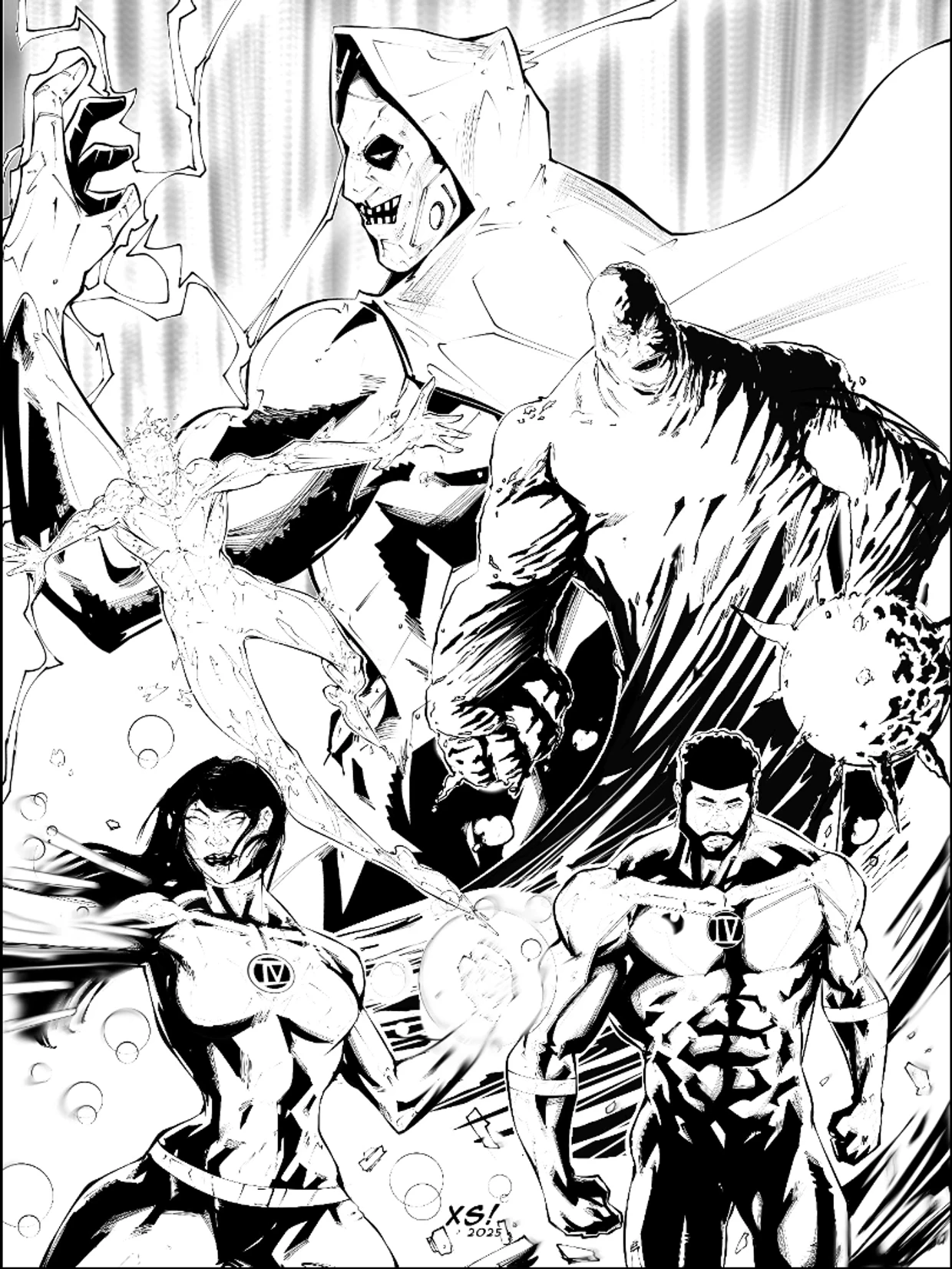
What we appreciate about Ayotunde's practice is the enthusiasm he brings to drawing comics and the willingness to share how that work develops. There is a lot involved in producing even a few pages, from designing characters and planning the action to deciding how each panel should lead into the next. His experiments with Batman and Superboy show his affection for established superhero stories, while projects involving independent publishers offer opportunities to contribute to new characters and fictional worlds. We are particularly interested in his commitment to African superhero storytelling and the possibilities that come with developing more original narratives. As he continues producing comic pages, character illustrations, and collaborative artwork, Ayotunde is building a practice around something he clearly enjoys: making drawings that encourage readers to turn the page and find out what happens next.