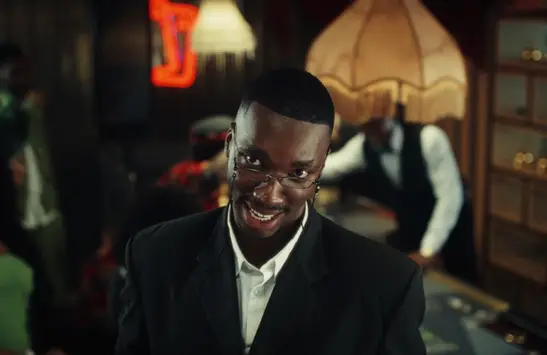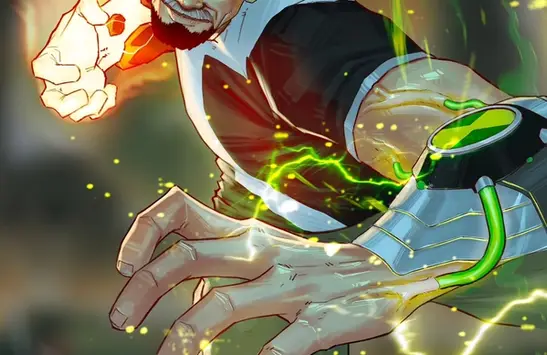
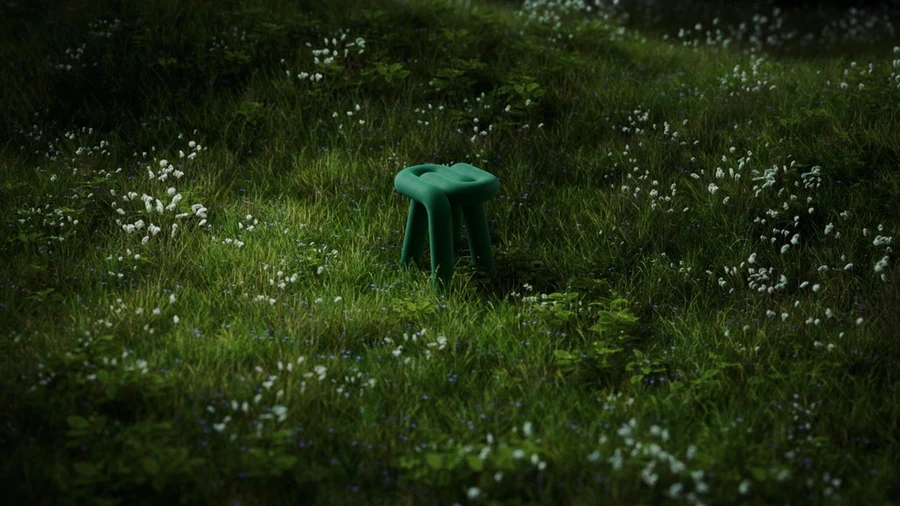

Getting a commercial to work on television and an enormous outdoor screen requires a particular kind of thinking. The visuals need to be immediately recognisable, the message needs to come through quickly, and every movement has to earn its place. These were some of the considerations behind a campaign Victor Etukudo worked on for television and digital out-of-home advertising. The motion designer shared how the team explored several creative directions before arriving at the final result, which brought together bold graphic elements, clear compositions, and an approach intended to connect with the audience. His portfolio includes similarly striking work, from the bright green surfaces and geometric graphics associated with Bet9ja to atmospheric 3D experiments and cinematic title sequences. What we enjoy about Victor's work is how comfortably he moves between commercial design and the more imaginative projects he creates for himself.

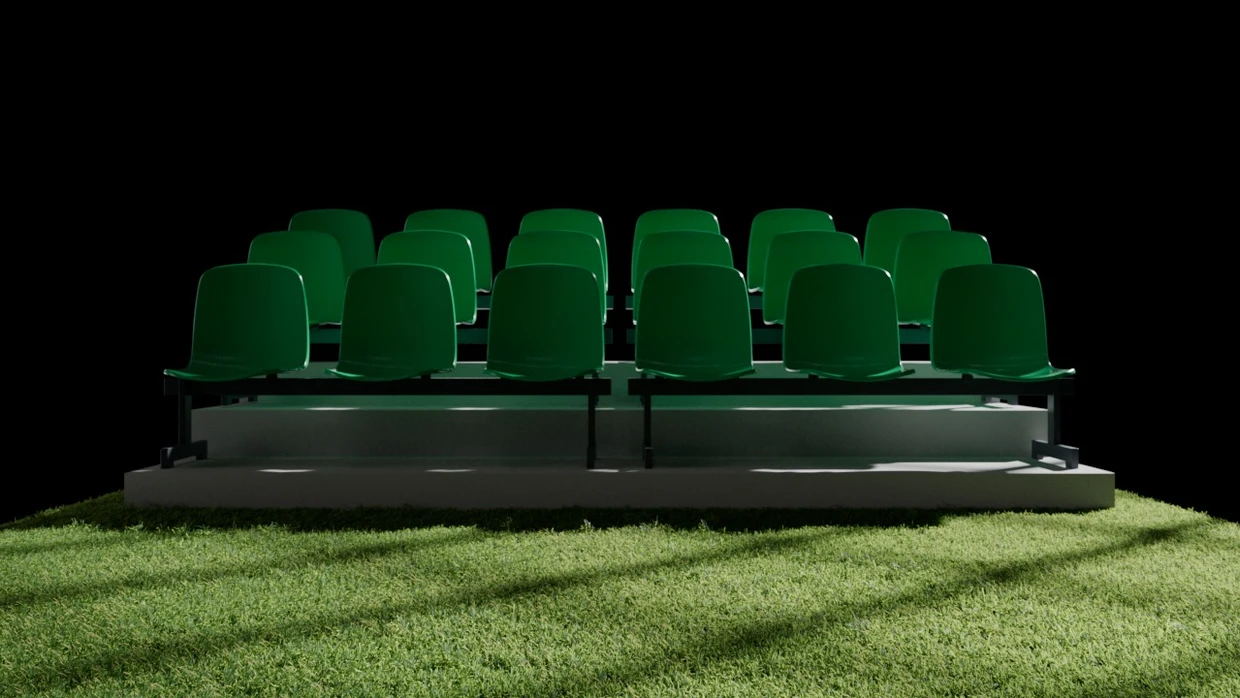
One of his most interesting personal projects is The Peacemaker, a cinematic title sequence developed entirely as a self-directed exercise. Victor built the project using Cinema 4D and Redshift for its 3D environments and rendering, DaVinci Resolve for editing and colour grading, and After Effects for typography and additional visual effects. The sequence brings together carefully composed scenes, atmospheric lighting, and considered transitions to create something that feels like the opening of a larger film. Beyond the finished animation, he also shared a breakdown of the production, revealing how the individual elements came together. We particularly appreciate this approach to personal work, where the opportunity to experiment with unfamiliar techniques is as important as producing something polished enough to share.
His experiments extend into other visual styles and subjects. In For Honor: SamuraiSaga, Victor explores the dramatic imagery associated with samurai stories, creating a poster filled with striking contrasts, weapons, and the intensity of an imagined battle. The project brings together Cinema 4D, Photoshop, and Midjourney, allowing him to experiment with different approaches to image-making and composition. Elsewhere, his portfolio includes studies of sculptural objects, atmospheric architectural scenes, and vintage reel-to-reel audio equipment. These projects vary considerably in subject and appearance, but each gives Victor an opportunity to investigate materials, lighting, environments, and the possibilities of rendering. A simple object becomes an exercise in surface detail, while a dark architectural scene offers room to experiment with shadows, glowing windows, and the mood created by a particular arrangement of light.
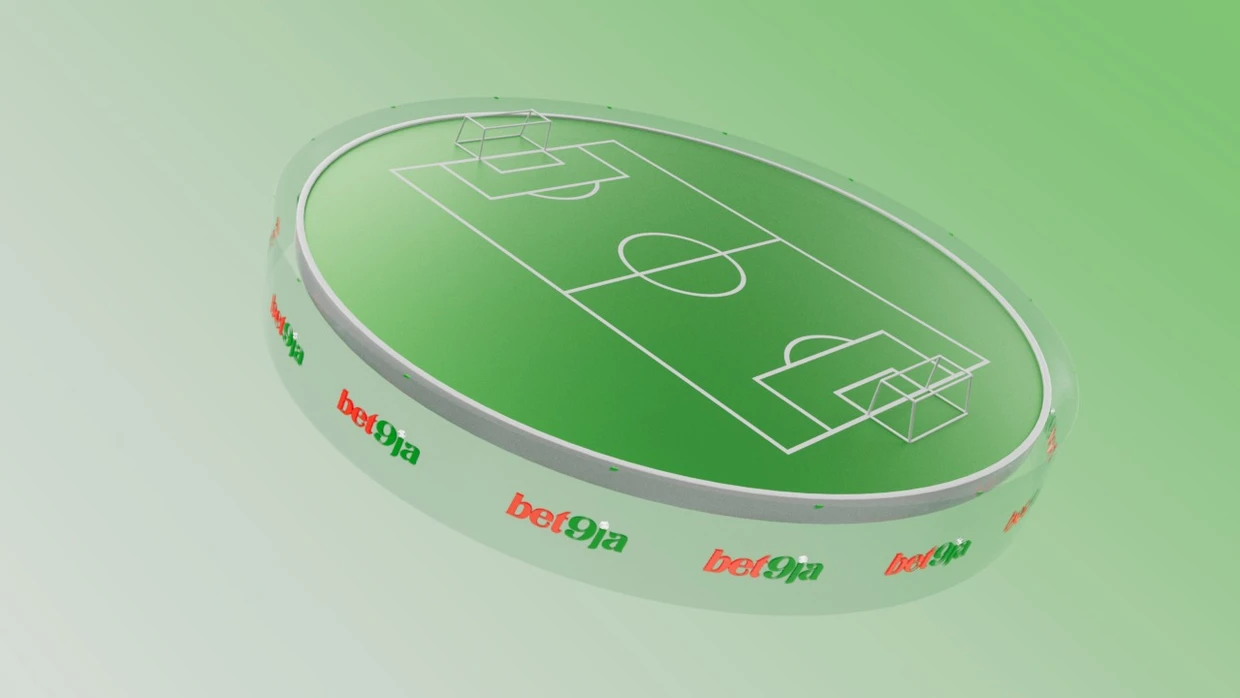
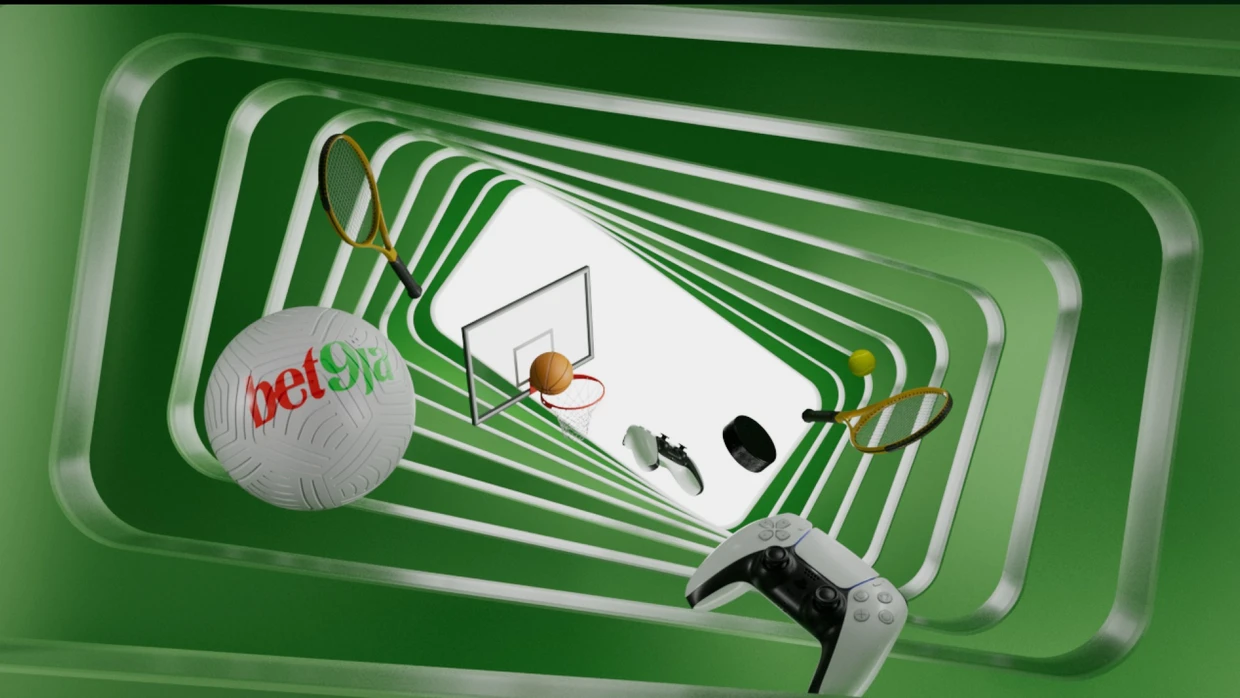
That same curiosity carries into his commercial work, although the demands are often quite different. For a brand campaign, Victor has to consider how a visual idea communicates to people who may only encounter it for a few seconds. His work involving Bet9ja's bold green identity demonstrates an interest in using strong colour and graphic forms to create immediate visual impact. In the campaign he developed for television and digital outdoor displays, the team explored different styleframes and motion tests before settling on the direction that eventually went into production. He later shared those early experiments alongside the final commercial, offering an interesting comparison between the ideas considered and the work that was ultimately released. These glimpses are particularly useful because they reveal how much of motion design happens before the animation itself, through decisions about composition, visual hierarchy, timing, and the relationship between individual elements.
We find Victor's combination of commercial assignments and personal experiments especially interesting. The client projects demonstrate his ability to translate creative ideas into finished work for particular audiences and formats, while the independent pieces allow him to explore subjects and techniques without those restrictions. His willingness to share early styleframes, production breakdowns, and the different approaches considered during a project also gives us a more complete understanding of his process. Whether he is building a dramatic title sequence, experimenting with the appearance of an object in 3D, or developing motion graphics for an outdoor campaign, there is a consistent interest in making each composition clear and visually engaging. We look forward to seeing how his continued exploration of 3D, editing, and visual effects influences the stories he tells through motion.