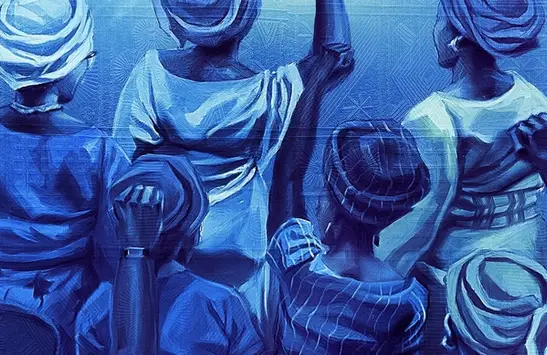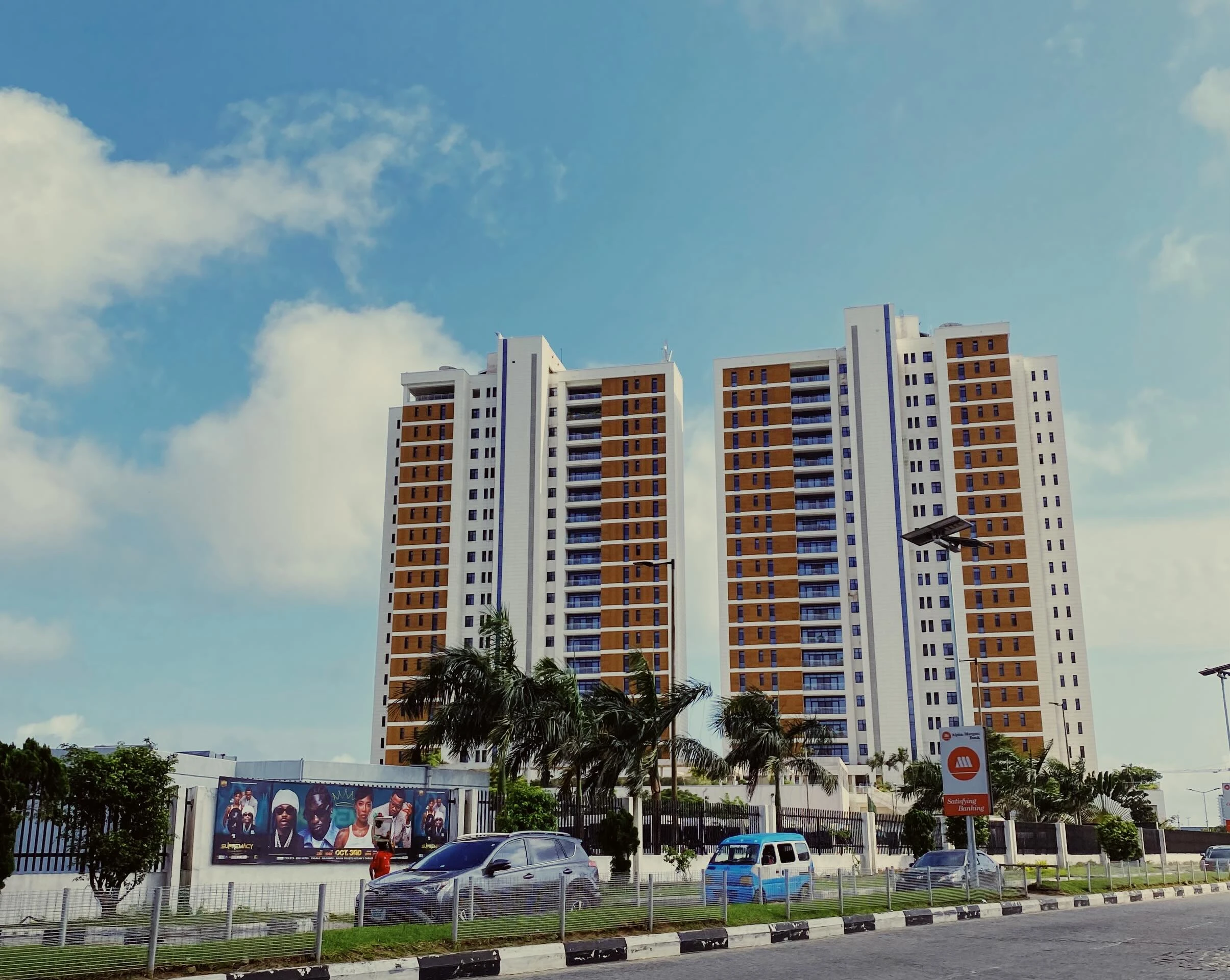


Lagos has a way of making us overlook the things we see every day. We pass the same buildings, take familiar roads, and move through neighbourhoods without giving much thought to the shapes, colours, and little details around us. Oluwaseun, better known as Seun, has developed a habit of paying attention to these things. With an iPhone, he photographs buildings, streets, flowers, people, and whatever else catches his eye as he moves around the city. The creative director and photographer, who shares his work as @lufolami, has gradually assembled a collection of images that offers a personal view of Lagos, shaped by his curiosity and the pleasure of finding something interesting in an otherwise ordinary scene.
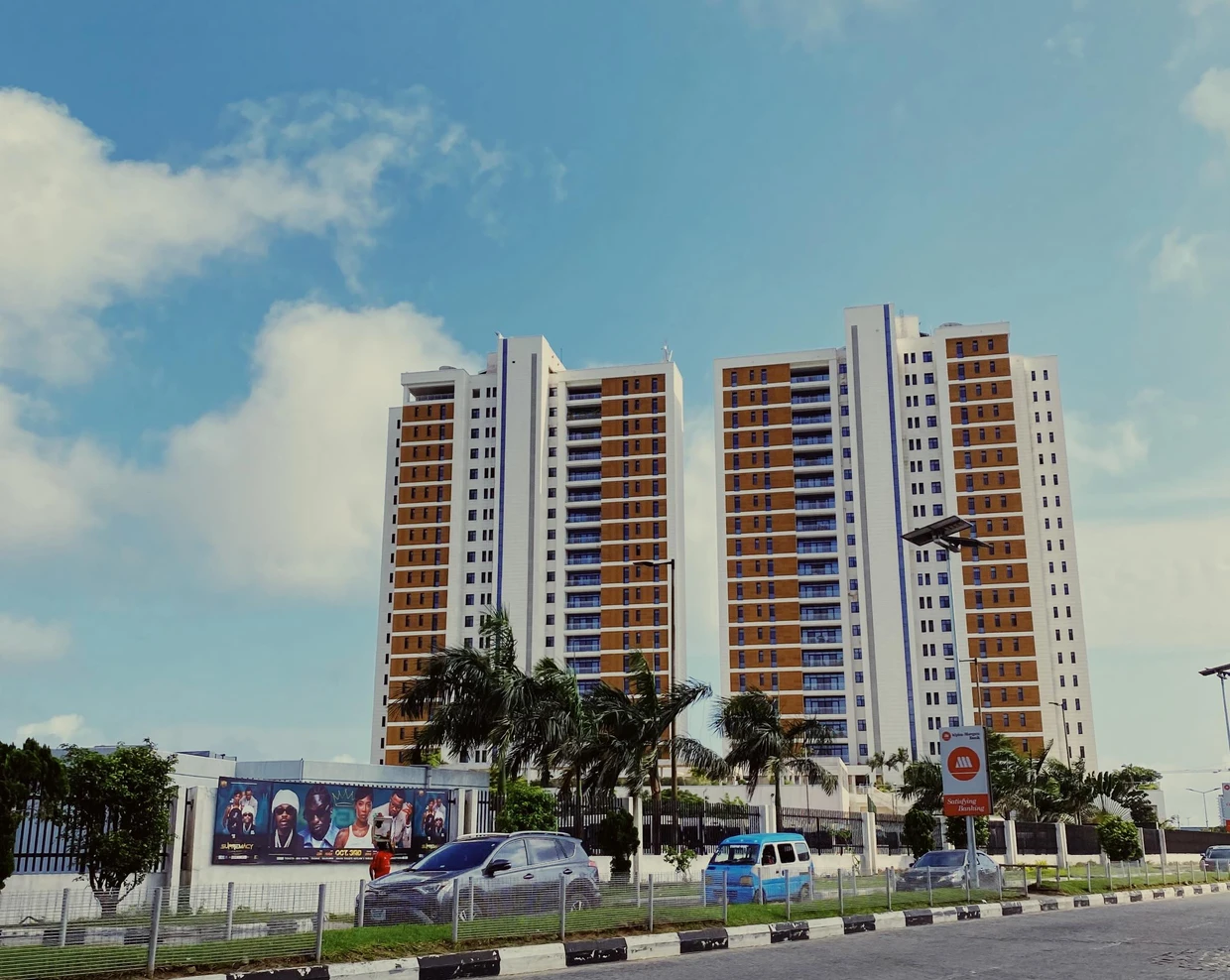

Architecture is a recurring subject in his photographs. Around the University of Lagos, Alagomeji, and landmarks such as the National Theatre and Okoi Arikpo House, Seun finds interesting compositions in concrete surfaces, repeating windows, stairways, and the lines of buildings against the sky. He often photographs structures from unusual positions, drawing attention to details that might otherwise go unnoticed. A building viewed from below becomes a collection of intersecting shapes, while a row of windows takes on a rhythm of its own. Some compositions are tightly framed, concentrating on a small architectural detail; others leave enough room for the surrounding environment to become part of the picture. His interest lies less in presenting these places as landmarks and more in discovering what their everyday forms can offer visually.
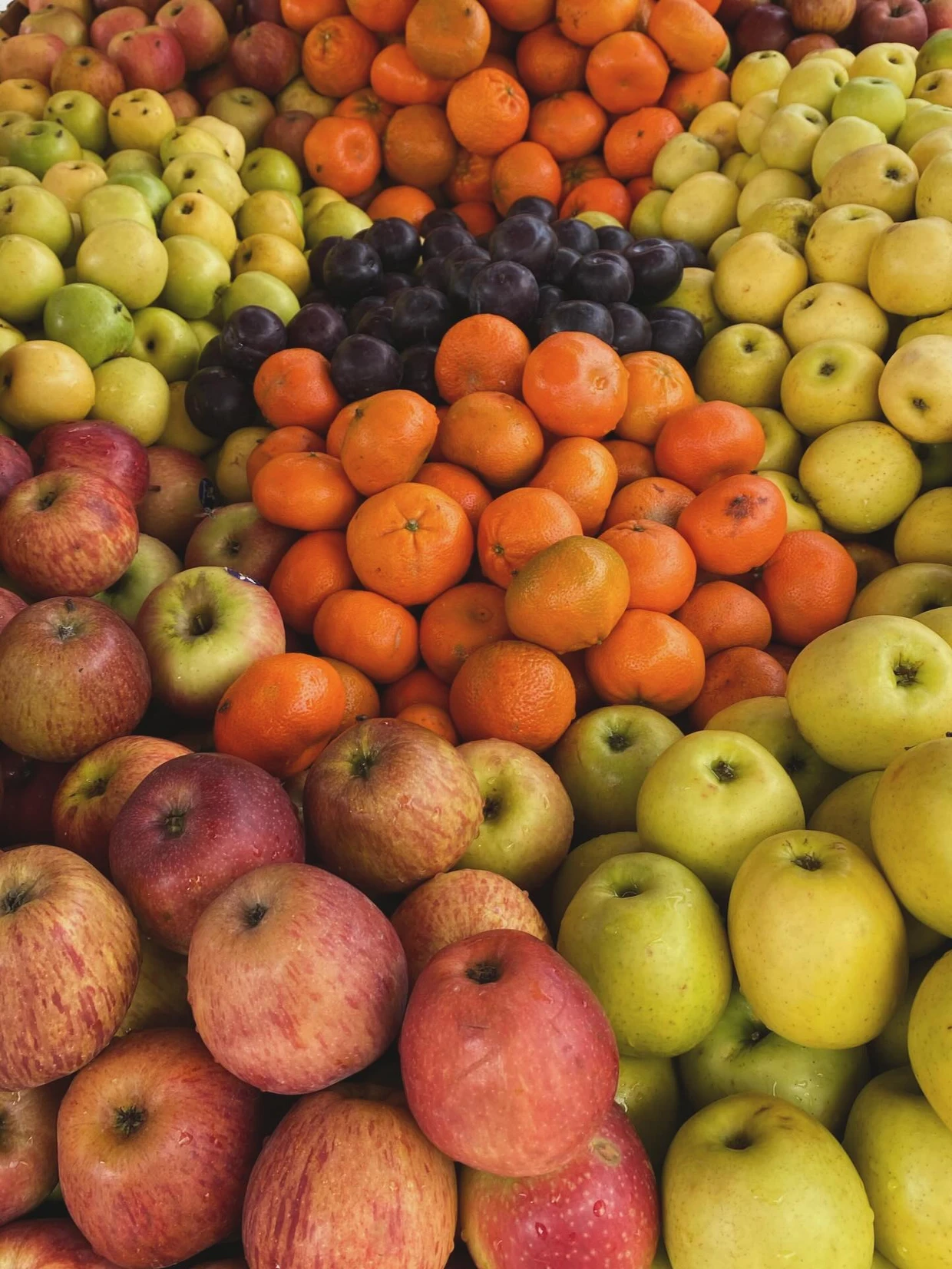
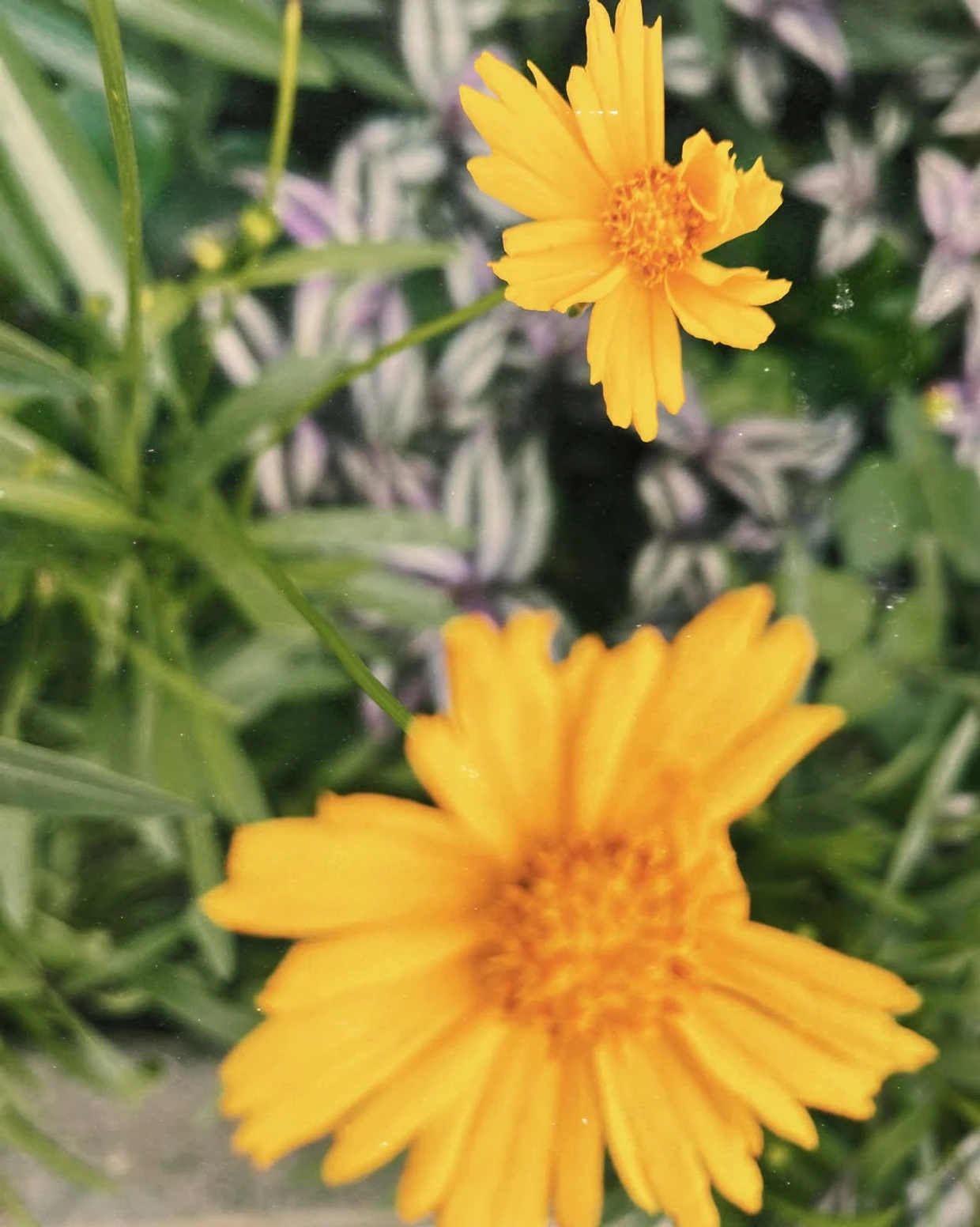
There is a different quality to his photographs of nature. Palm trees, flowering plants, beaches, and the Lagos lagoon introduce softer shapes and changing light into his collection. In one image, the Third Mainland Bridge stretches across the water beneath an overcast sky; elsewhere, flowers and foliage become the subjects of closely observed studies. Seun's treatment of colour helps bring these varied scenes together. His photographs often feature warm highlights, subdued greens, and gently softened contrast, giving them a film-like quality without overwhelming their subjects. He works primarily with an iPhone and uses VSCO to edit his images, experimenting with presets and tonal adjustments to develop a consistent visual approach. The results feel considered without losing the spontaneity of noticing something worth photographing.
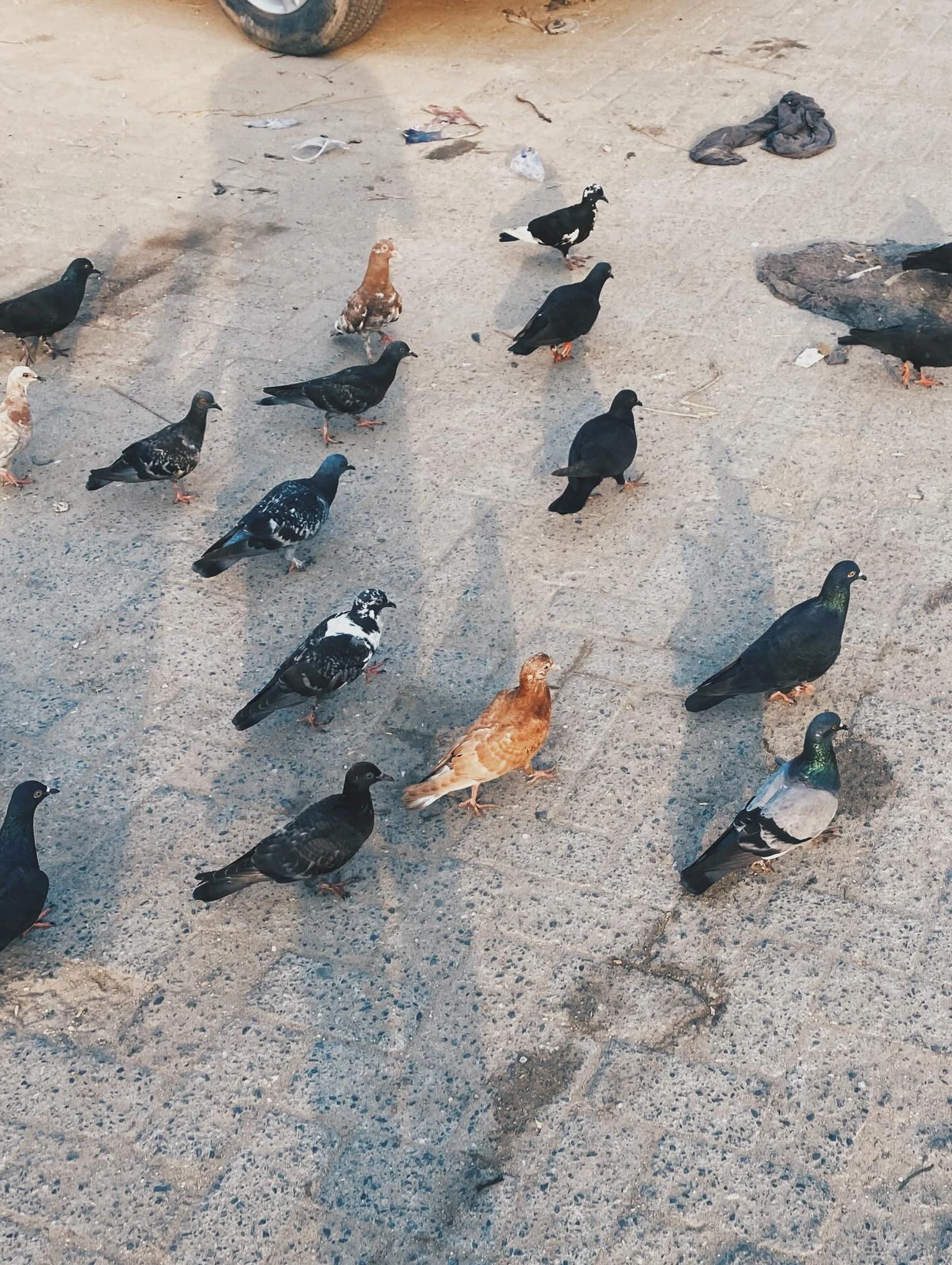
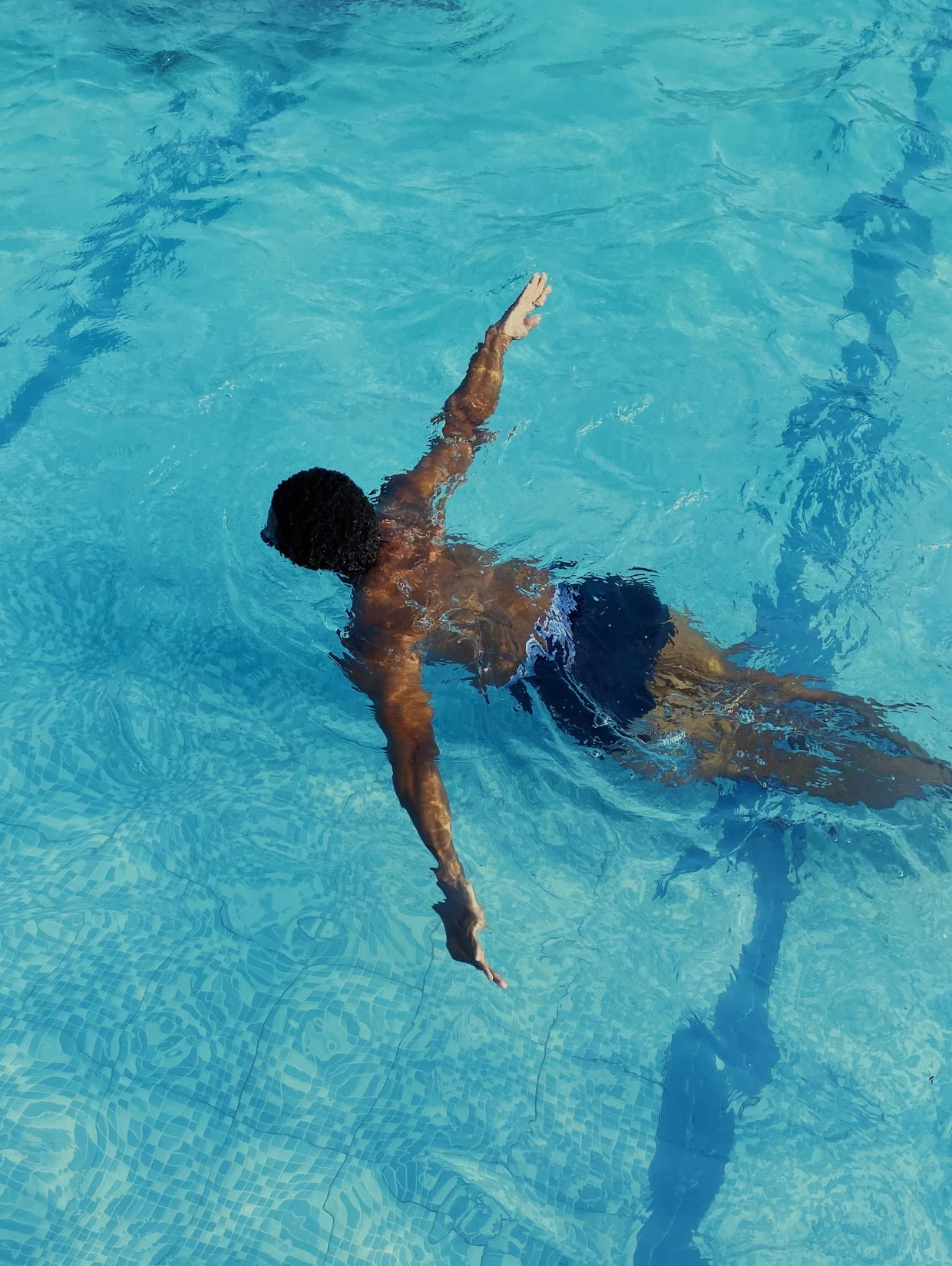
People also feature in his work, adding another dimension to his observations of the city. His portraits of Afunsho make use of warm light and thoughtful framing, while his photographs with the No Carry Last running community capture people moving through their surroundings. These images sit alongside his architectural and landscape studies, creating a wider record of the places and people he encounters. His Beach Series and collections of photographs from different parts of Lagos are particularly enjoyable for the way they bring unrelated moments together. A portrait might appear beside a street scene, followed by a building, a stretch of water, or an unexpected detail. There is no need for every photograph to make a grand statement; their connection comes from the photographer's attention to the world around him.
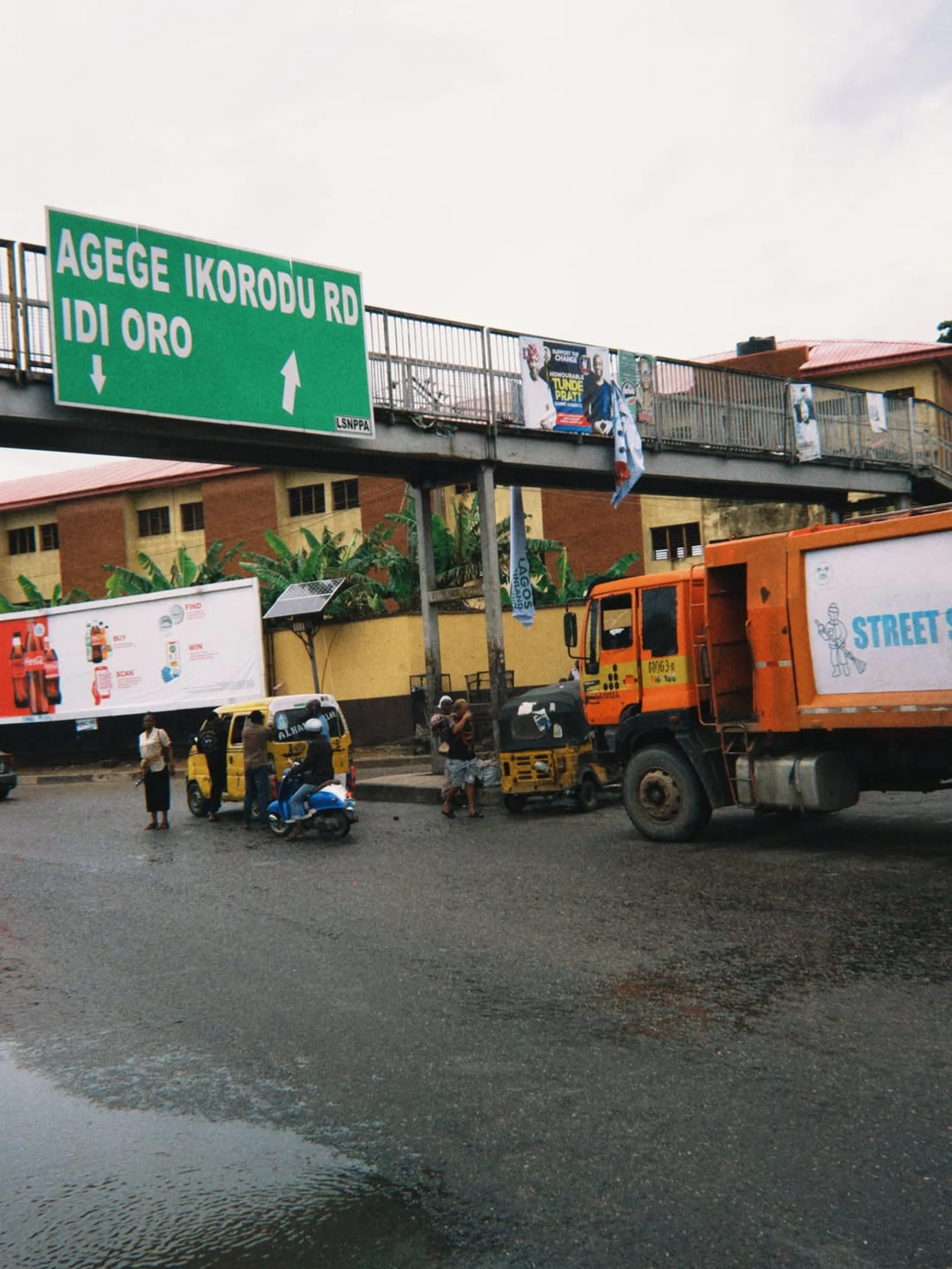
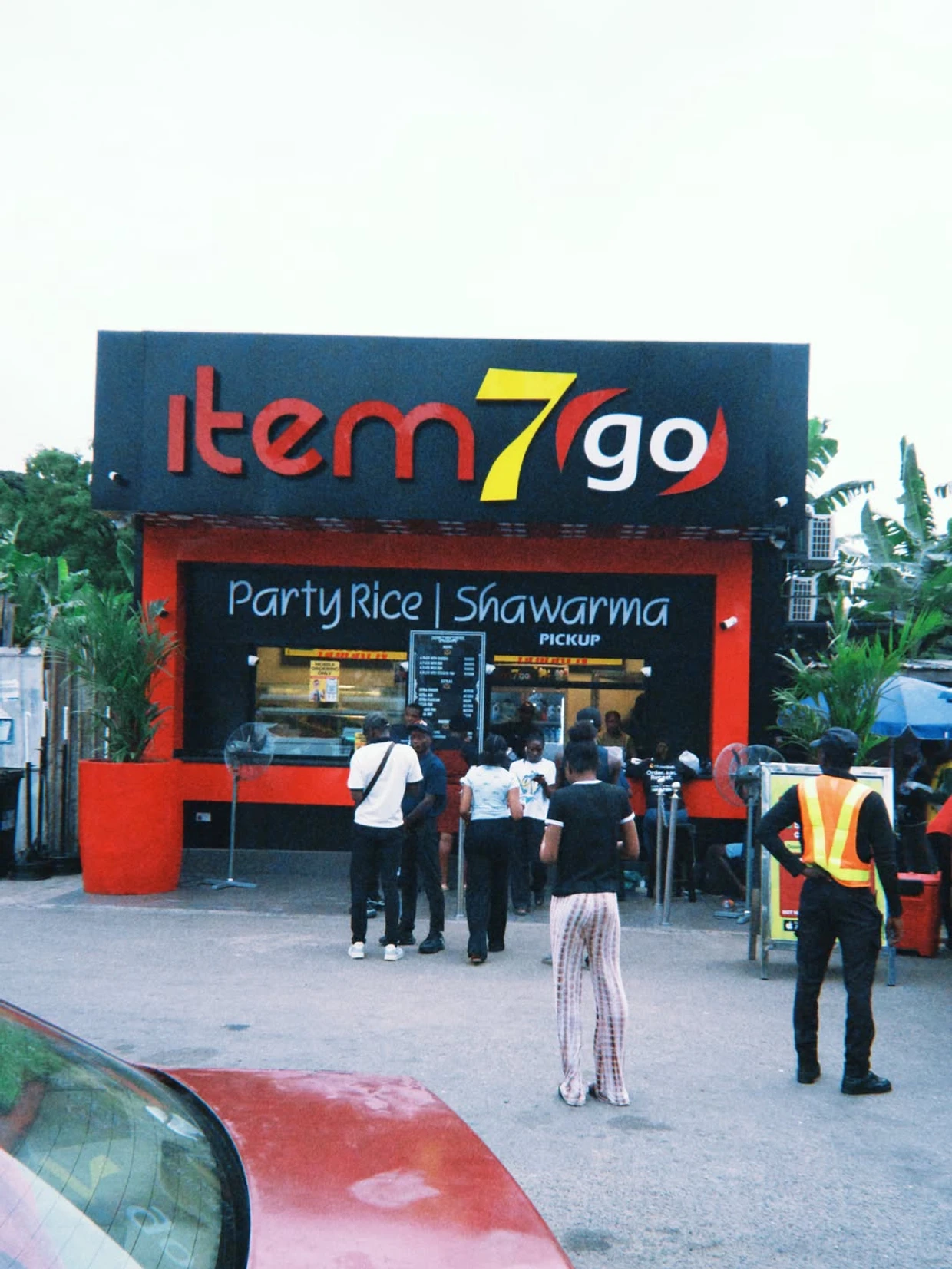
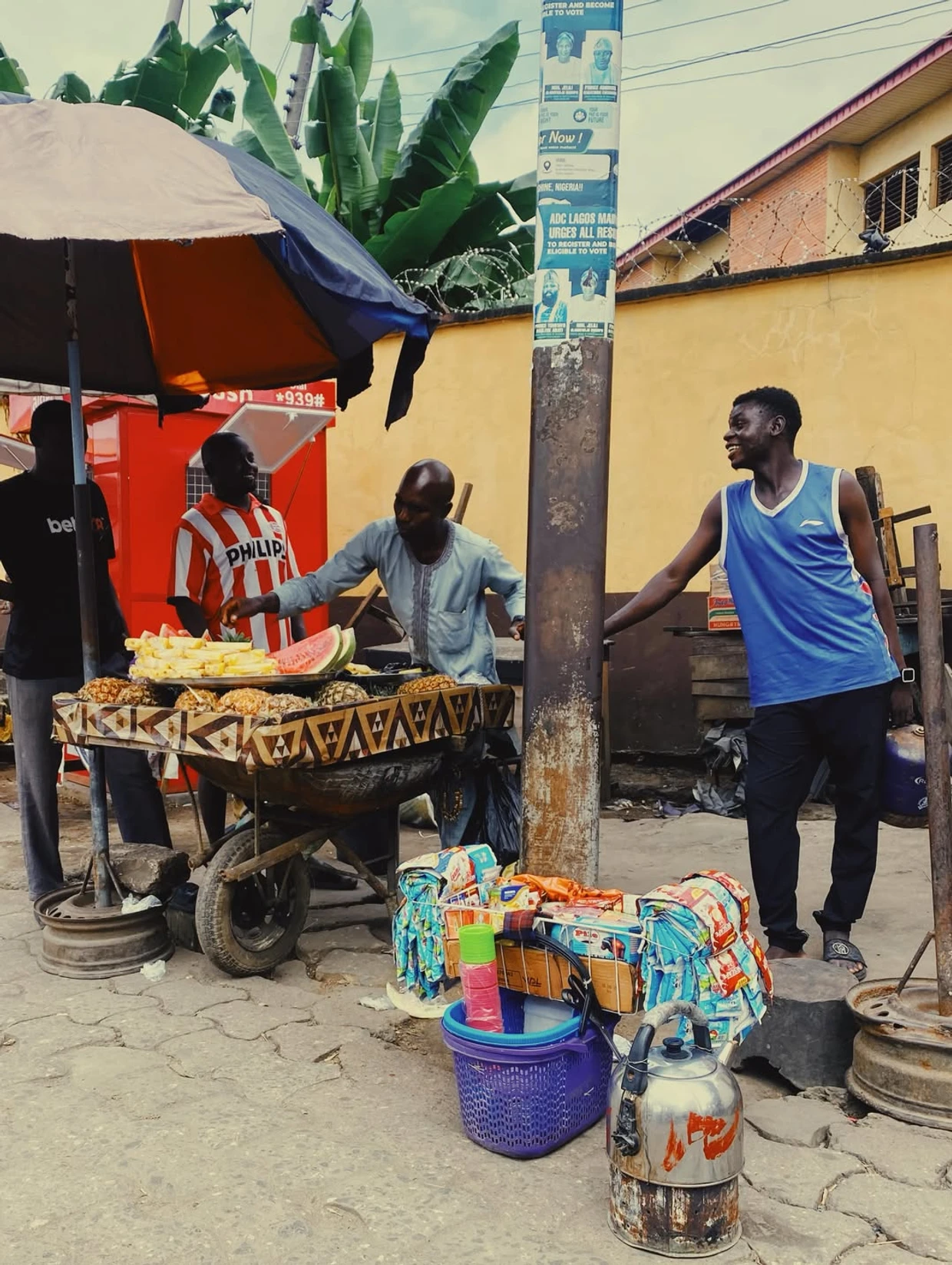
What we appreciate about Seun's photography is its familiarity. Many of the places he photographs are ones we recognise, or at least resemble somewhere we have been. Yet his compositions encourage us to look at them differently, to notice how light changes a building, how plants sit against concrete, or how an ordinary street can become an interesting arrangement of shapes and colours. His work also makes a compelling case for the possibilities of mobile photography. With a phone, a considered approach to editing, and a willingness to keep looking, Seun has developed a personal visual record of Lagos that continues to grow. There is something refreshing about photography that does not require an extraordinary destination or occasion, only the curiosity to discover what has been in front of us all along.