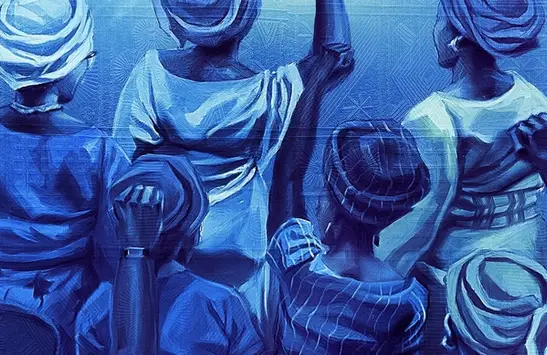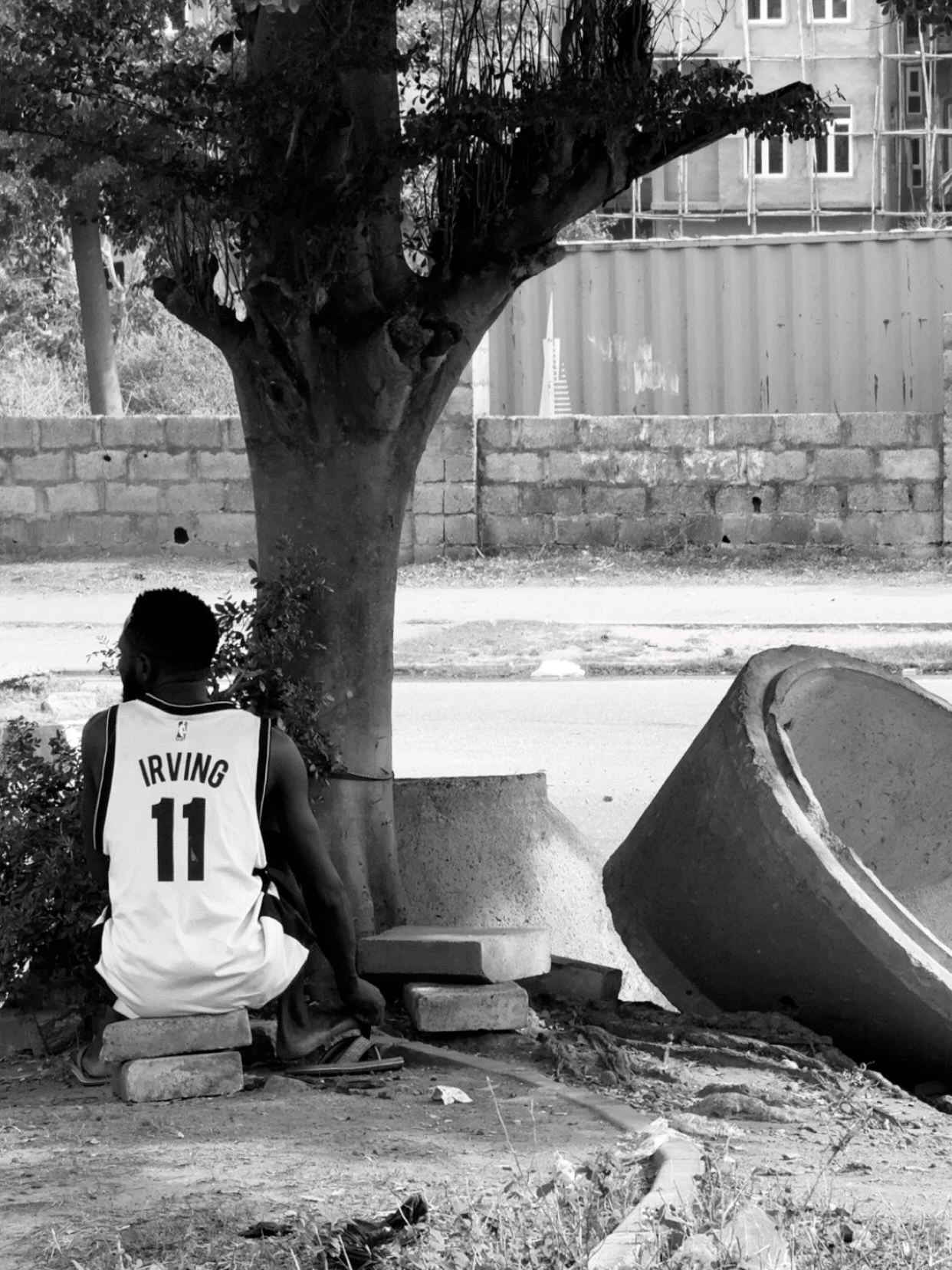


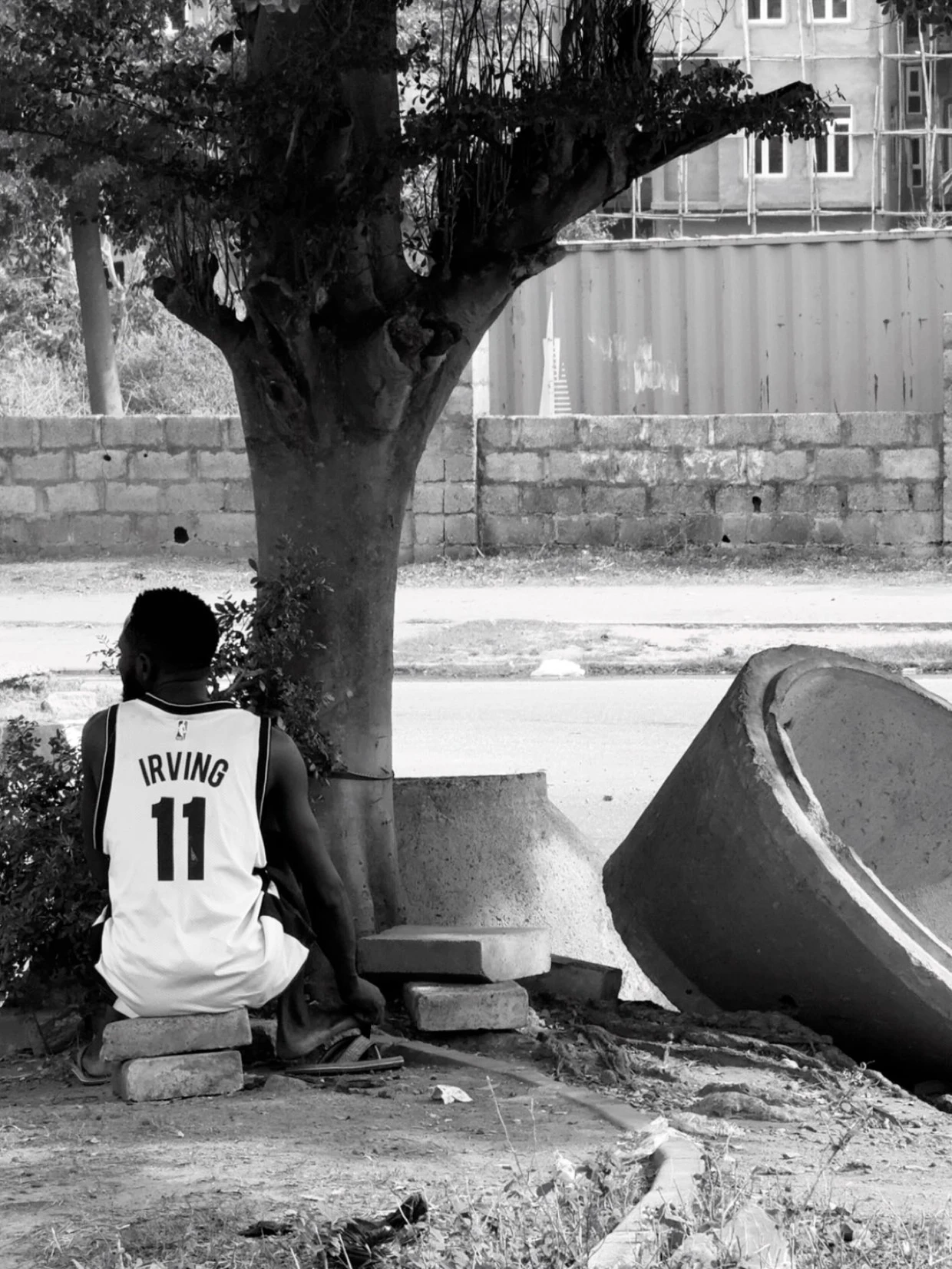
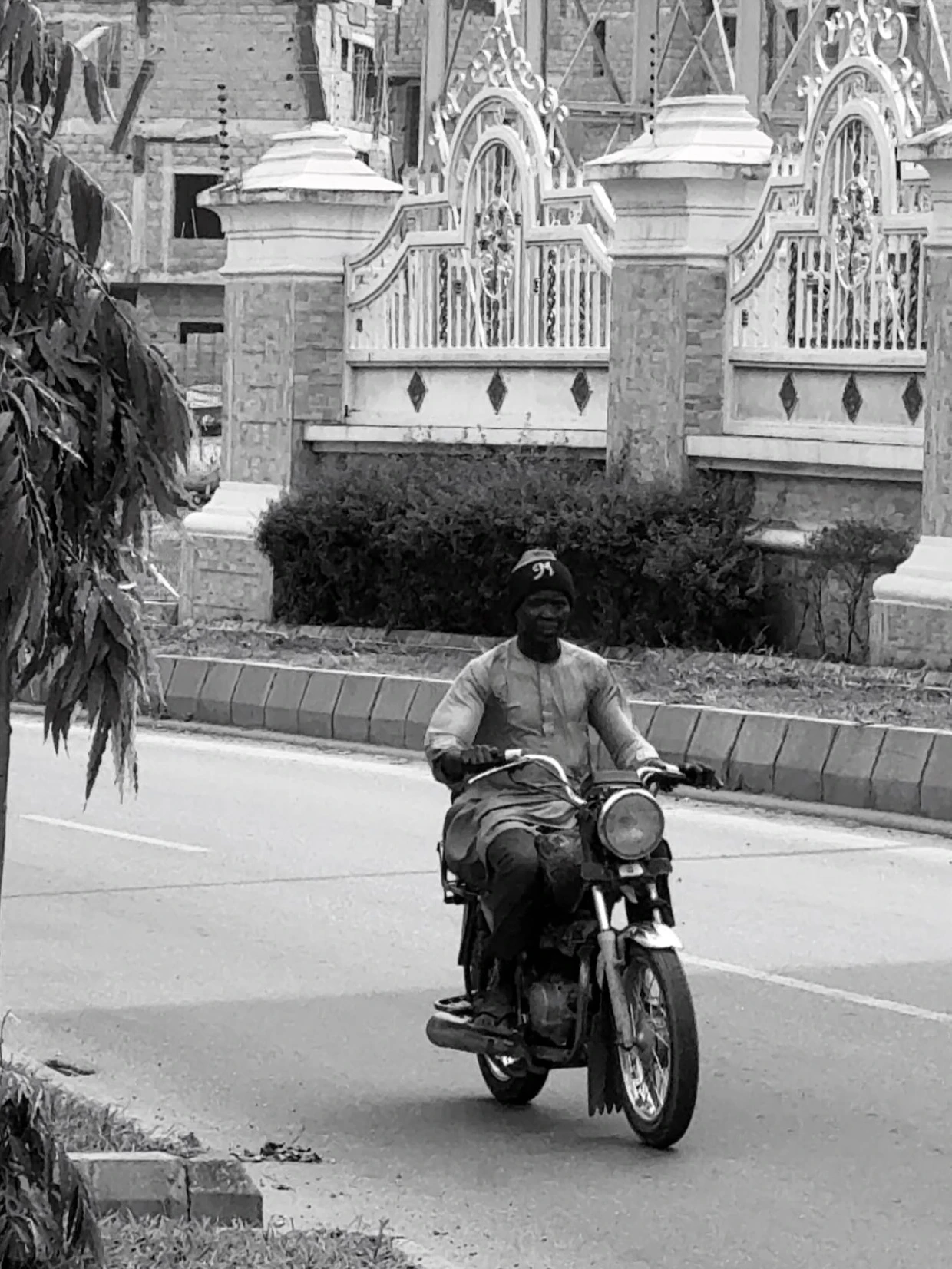
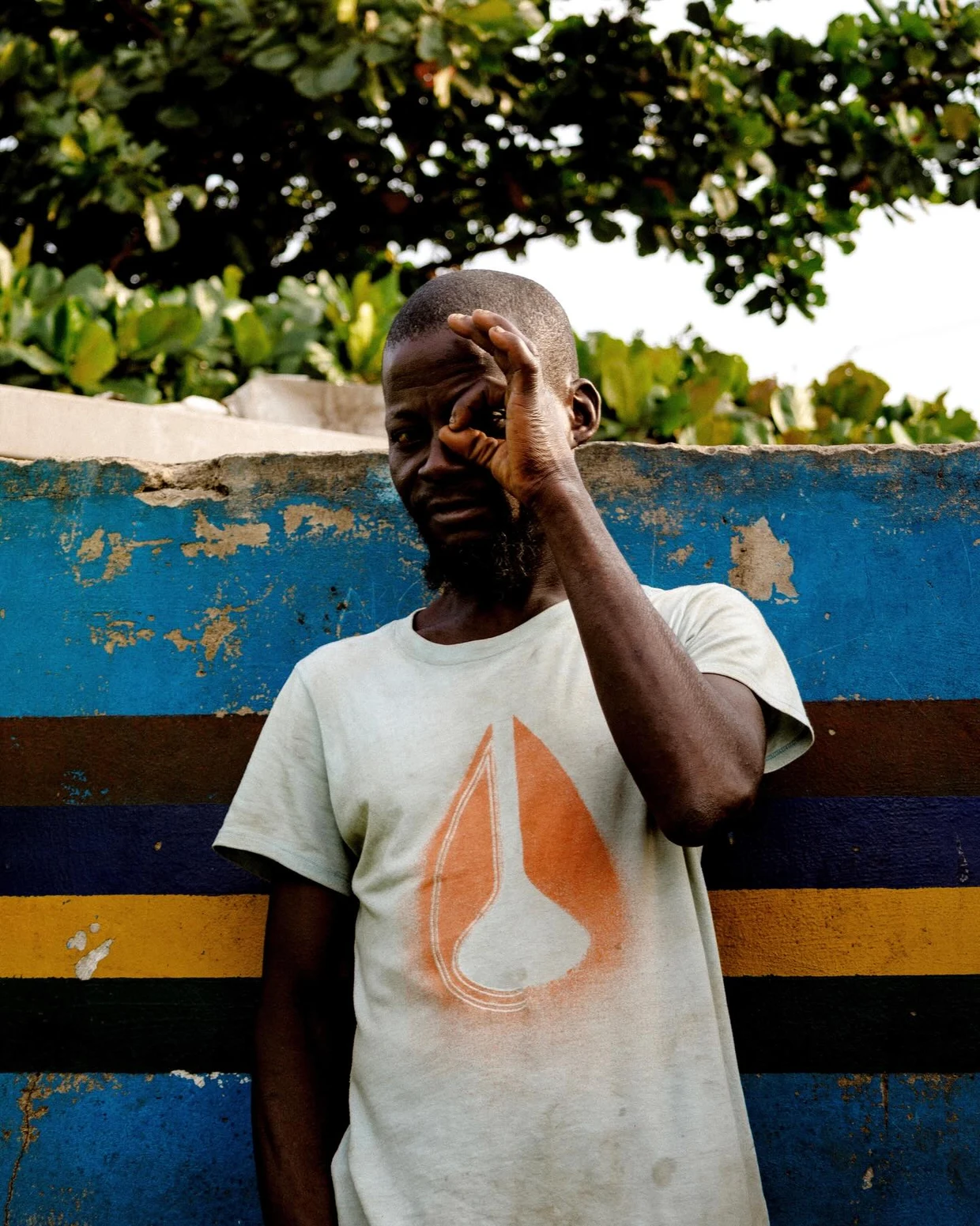
A broken-down car might seem like an inconvenience, but for Nigerian photographer Abdullahi Ali, it became the beginning of a photography project. With his car at the mechanic's, he had to walk to the gym every day through Guzape, Abuja. Rather than simply making the journey, he began photographing the people, buildings, and scenes that caught his attention along the way. The resulting black-and-white series, Documenting Guzape, was shot entirely on his iPhone, without approaching or directing his subjects. He initially shared the photographs casually on Snapchat before selecting his favourites for Instagram. It is a fitting introduction to Abdullahi's practice: a photographer whose curiosity turns ordinary situations into opportunities to make something memorable.
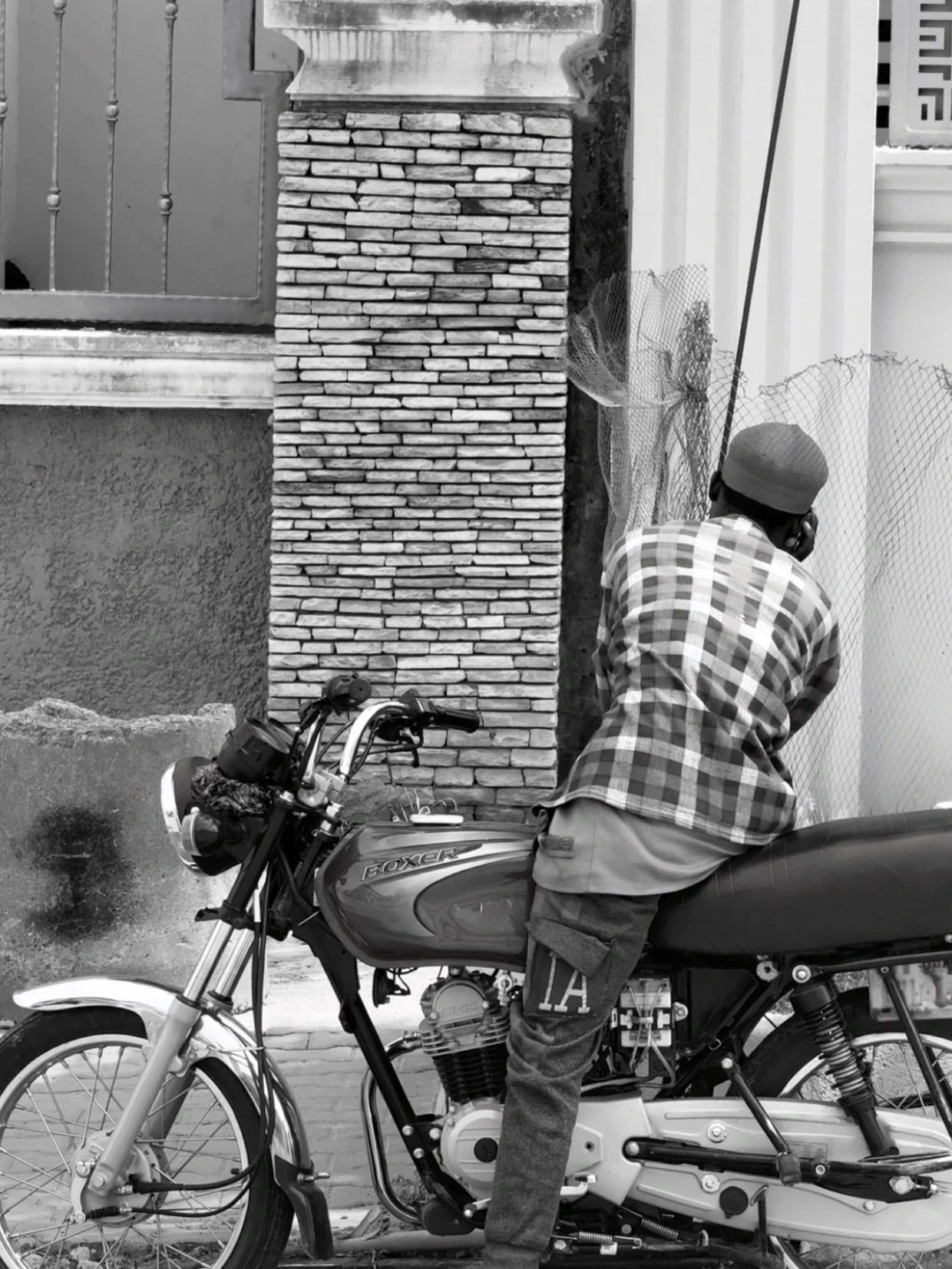
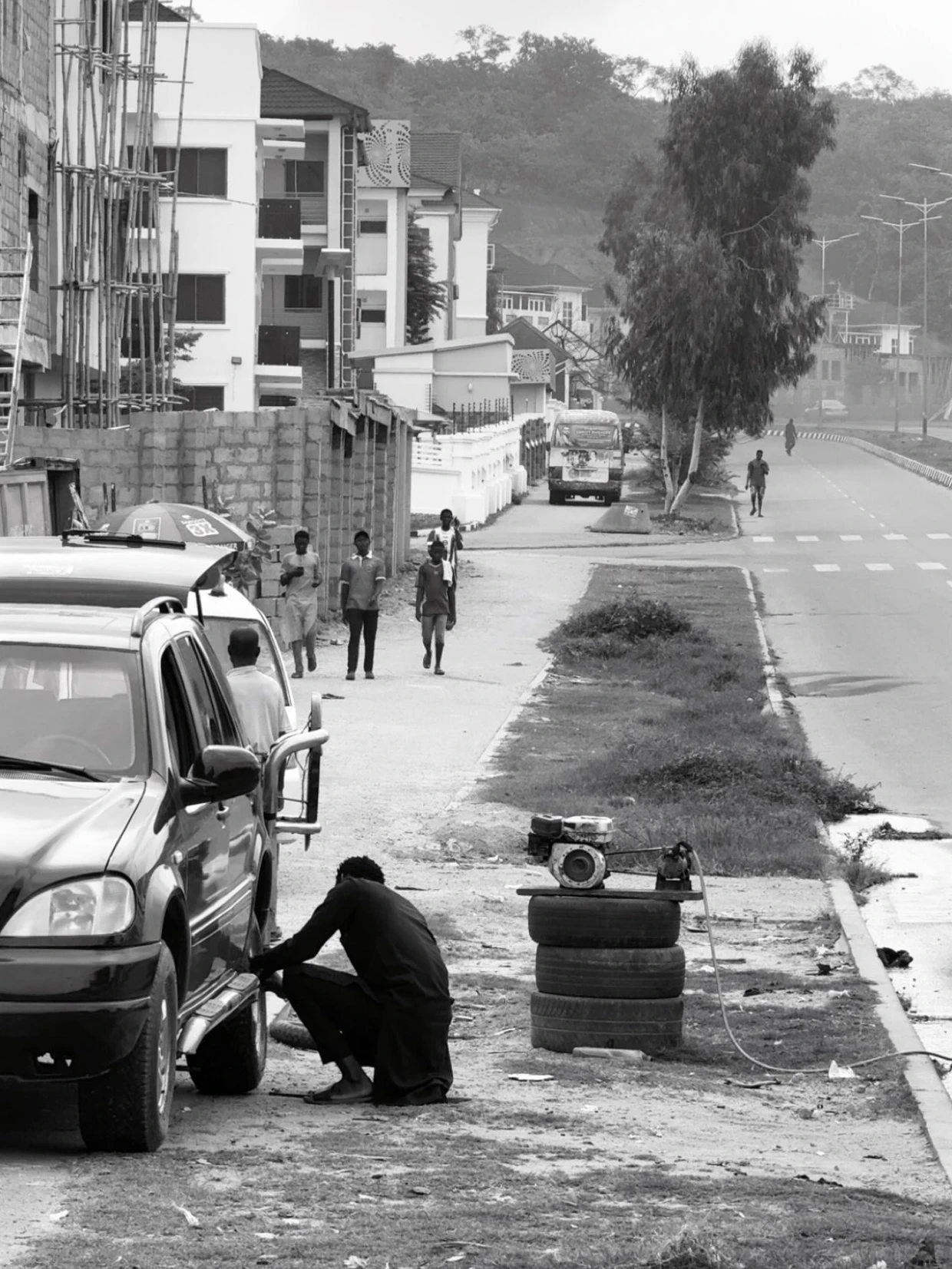
Abdullahi's interest in photography began with his phone. Abdullahi recalls that his Instagram account originally served as a collection of iPhone photographs. His move into professional photography happened almost accidentally when a friend gave him a camera to repair. He kept it for a while and began experimenting with it, teaching himself photography largely through YouTube. Although now, his professional assignments take him into carefully planned productions, much of Abdullahi's personal photography begins with the places and experiences he knows.
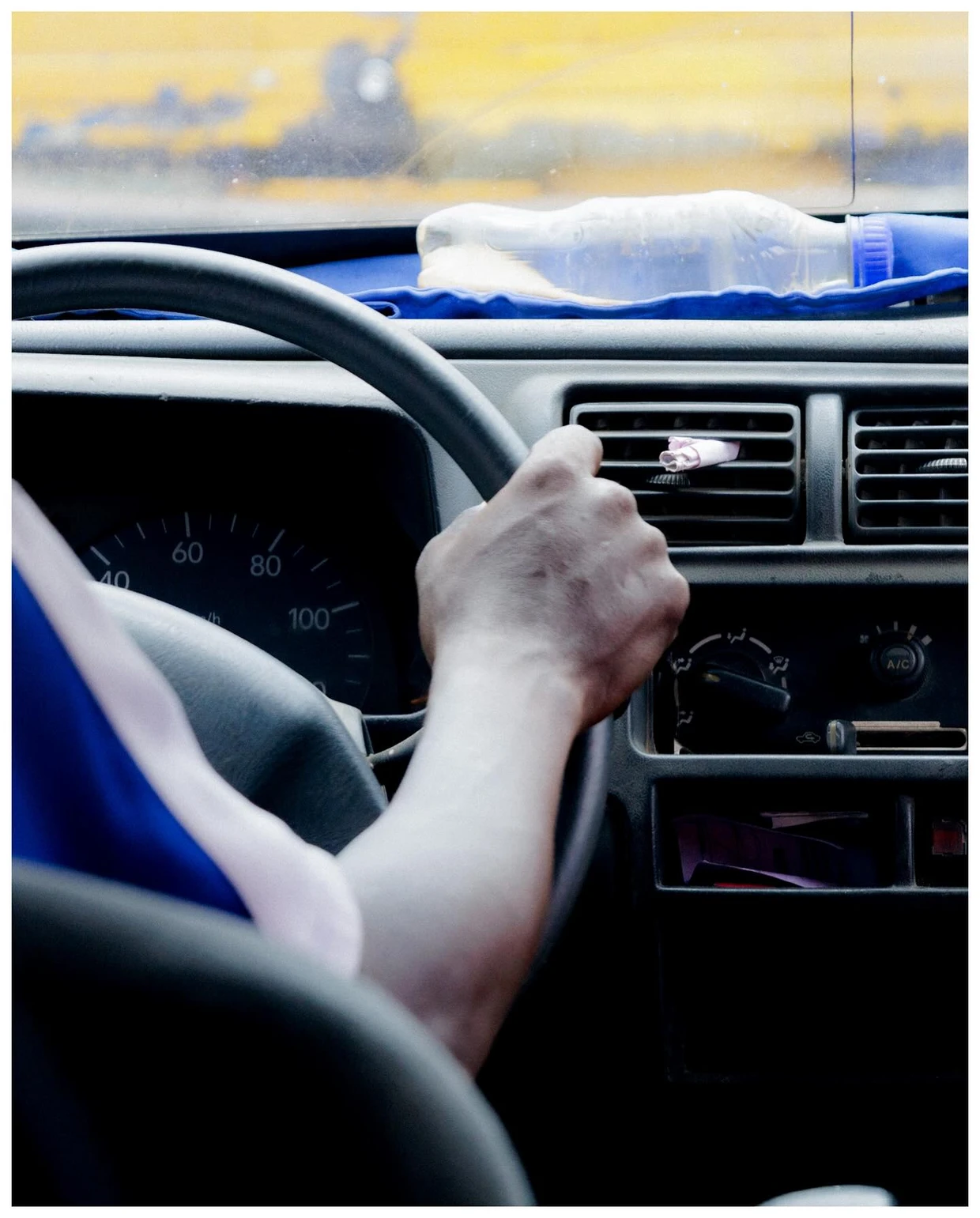
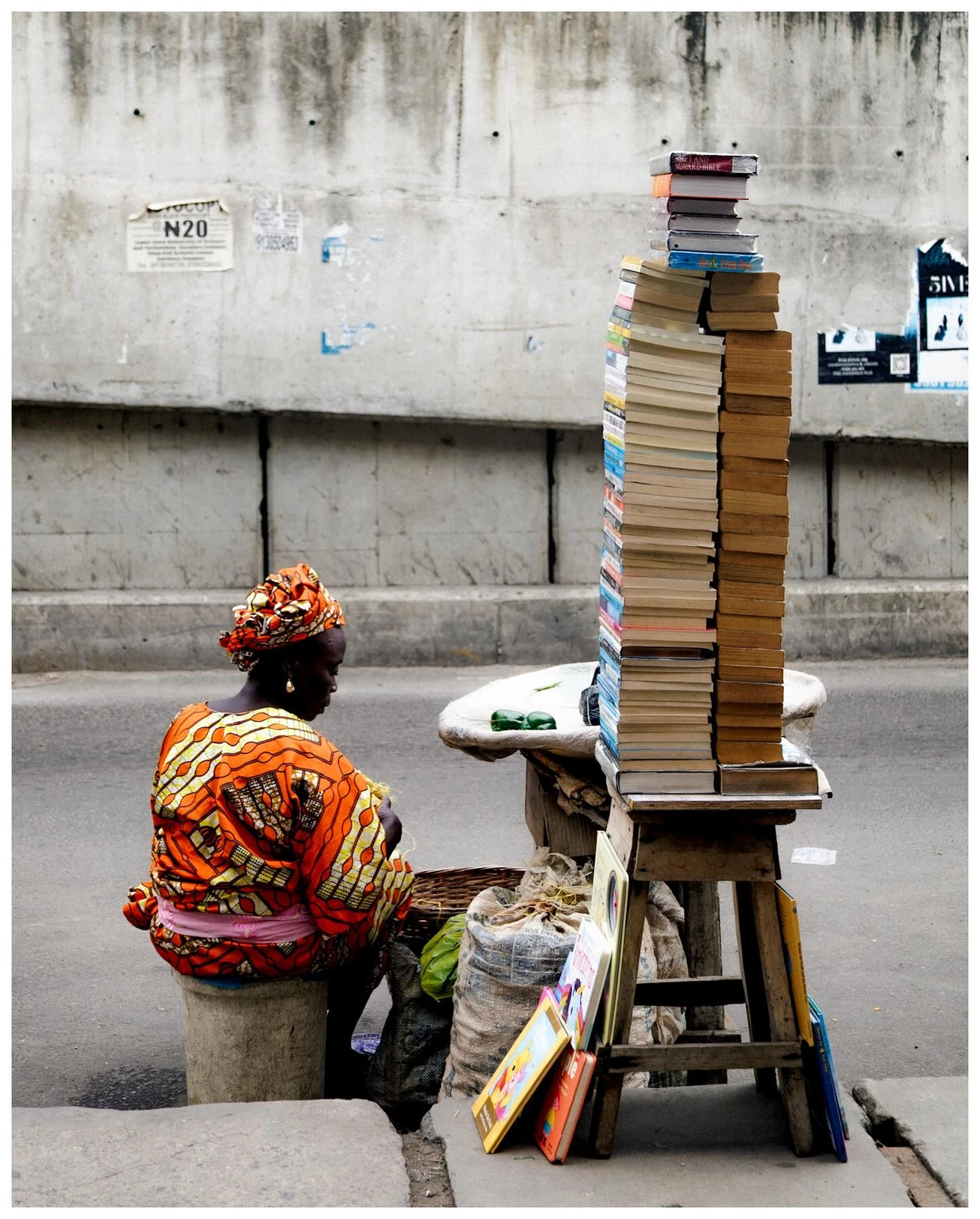
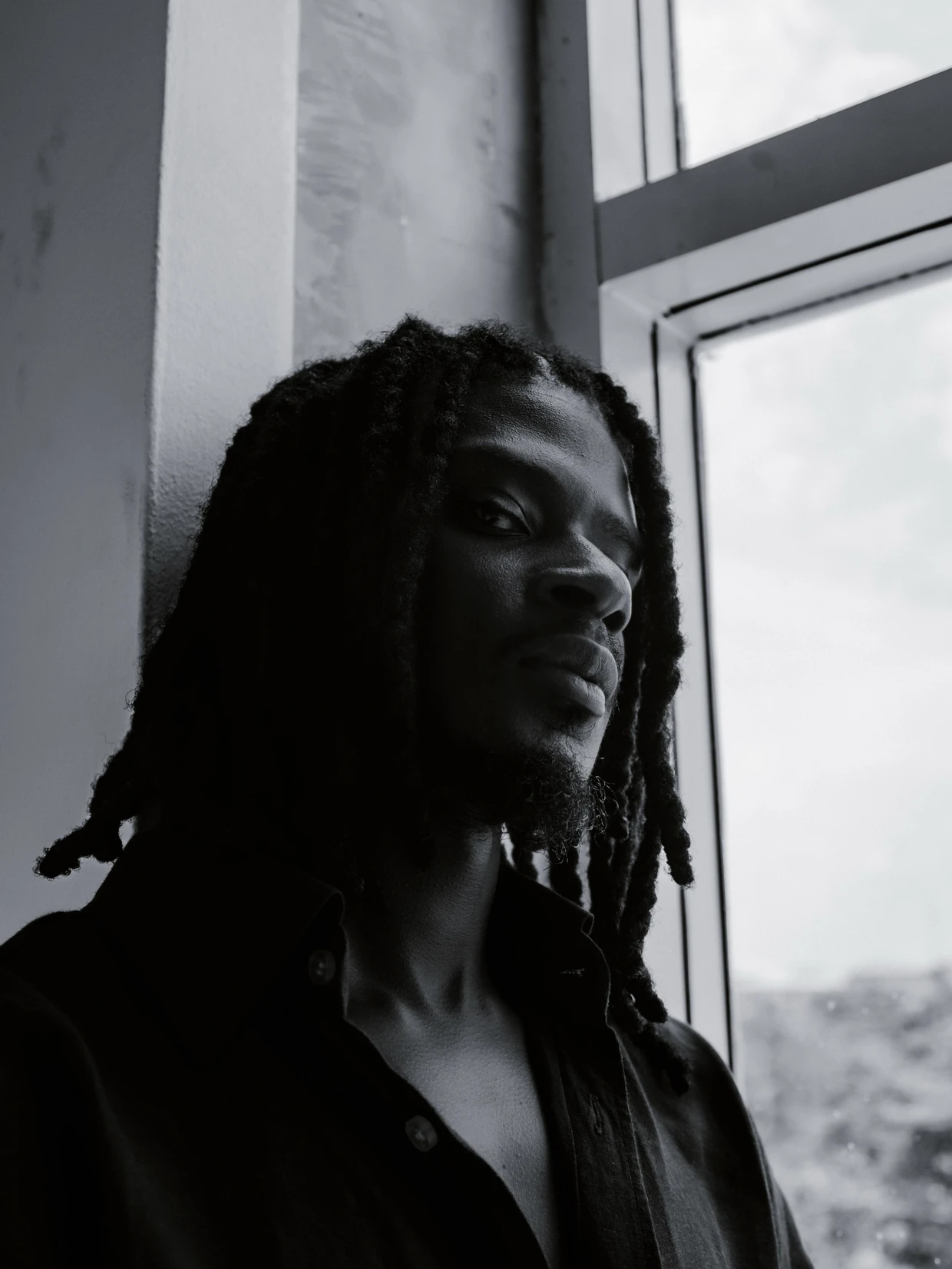
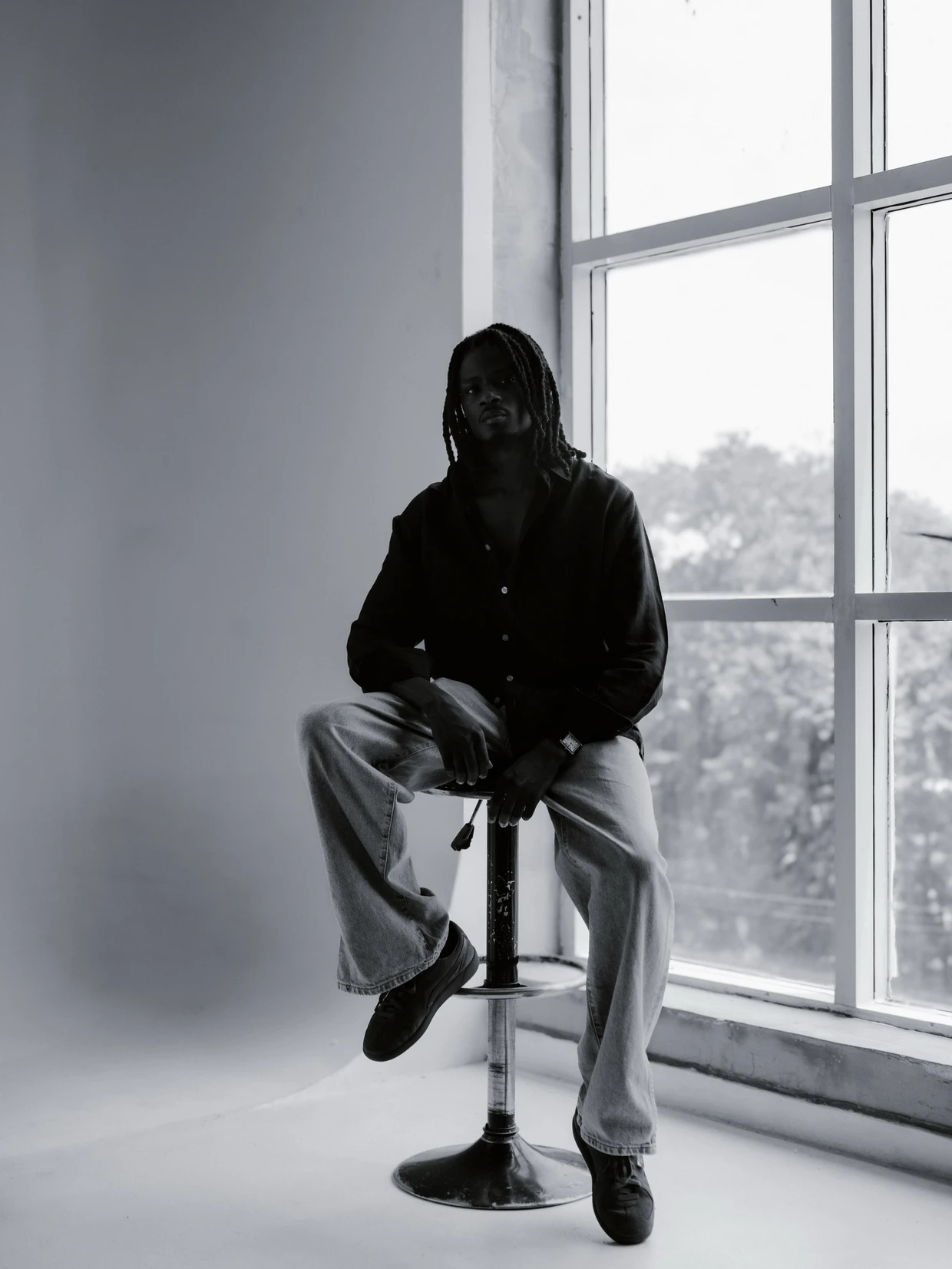
In Between Here and Elsewhere (2026), Abdullahi brings a more deliberate approach to portrait-making while retaining the spontaneity that characterises his personal projects. The idea began when he saw photographs of a studio shared by Faizah Shuaib and discovered that the space belonged to Bluenotnice. He wanted to photograph someone there but had yet to find the right subject. A chance encounter with Caesfire, whom he had wanted to photograph for some time, provided the opportunity. The resulting series became more than an experiment with a location and a muse. Abdullahi explained that its title reflected a period when he felt caught between two versions of himself, uncertain about where he belonged but gradually finding his footing. Elsewhere in his portfolio, projects such as Movement and Stillness (2026), featuring Slum to Stage, explore the relationship between bodies, gestures, and photographic composition. These projects show how his personal reflections can shape the images he chooses to create.
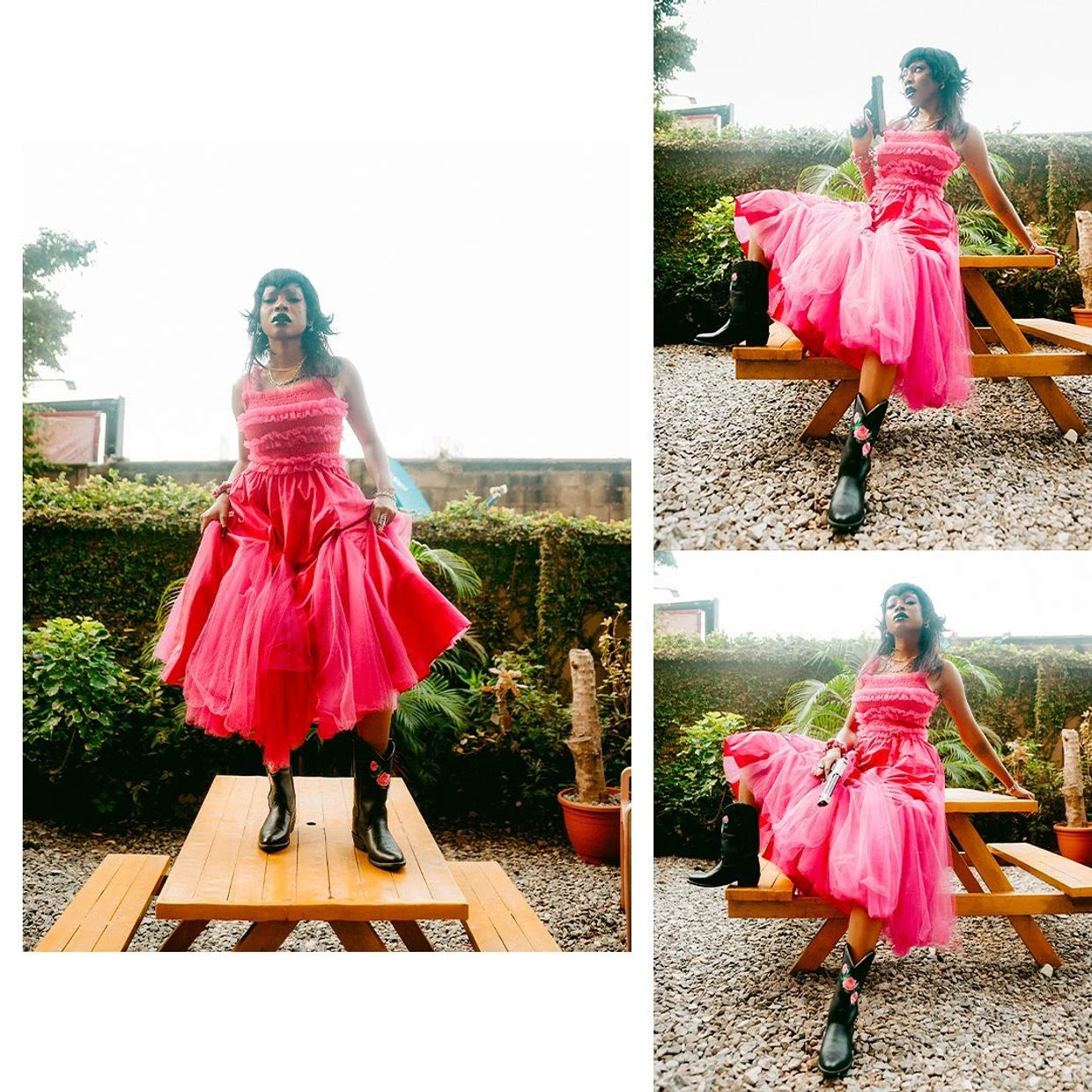
Abdullahi has also worked on editorial and commercial productions, including photographing Ashley Okoli for Vogue's Youthquake project. Okoli, a stylist, designer, and influential figure in Lagos's alternative fashion community, was featured in Vogue's coverage of a generation of young creatives challenging established conventions. Abdullahi's portraits contributed to the visual presentation of her story. He also photographed the She Runs The Board campaign, a collaboration involving Deeds Magazine, Platoon, and Femme Africa. His other projects include photographs for Queen Amina of Zazzau (2026), a documentary directed by Vantage, featuring dancers from Slum to Stage. These assignments place his photography in conversation with fashion, music, movement, and the work of other Nigerian creatives. His portfolio is also available on PhotoVogue, where his work spans documentary, editorial, portraiture, nature, and street photography.
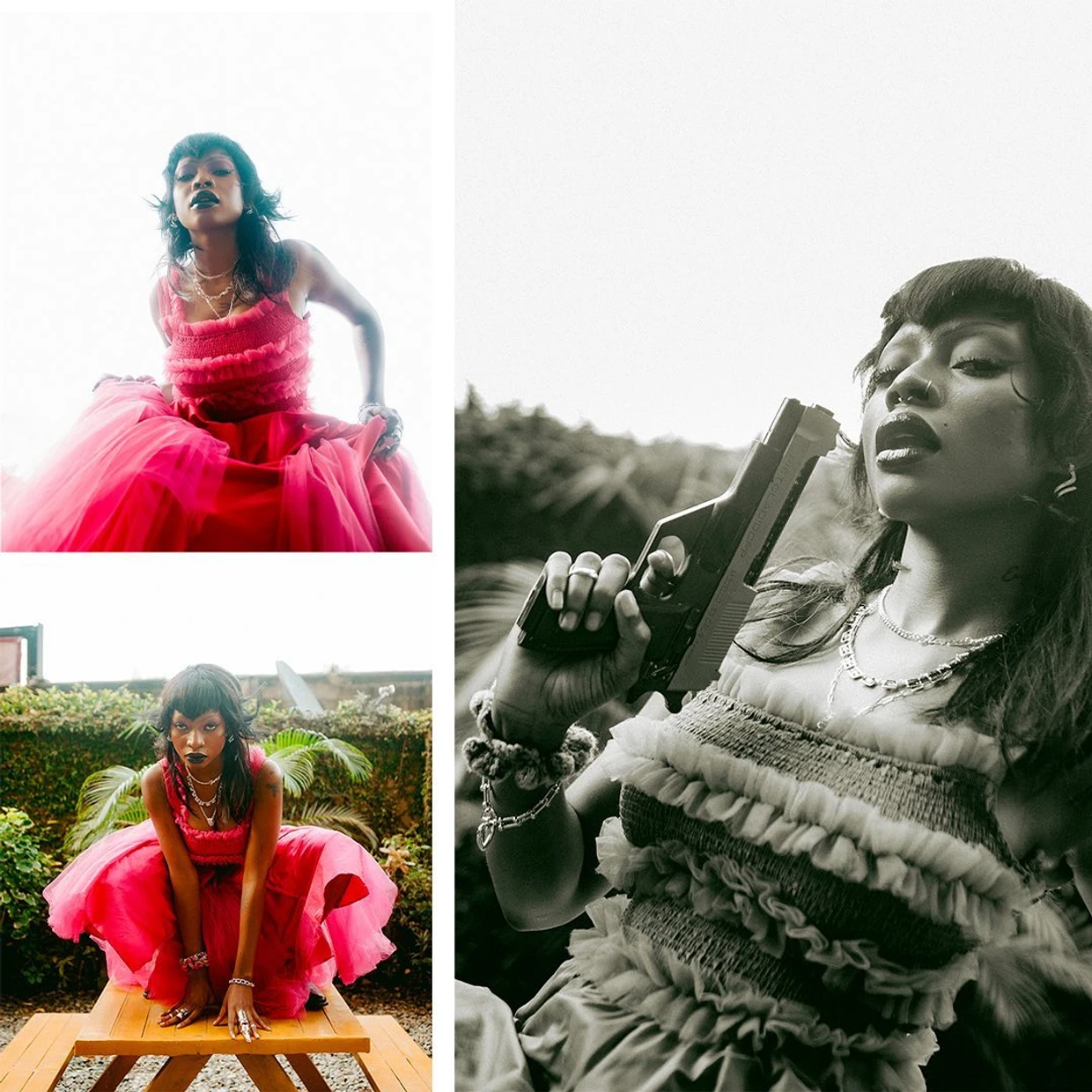
What makes Abdullahi's photography engaging is the relationship between his personal life and creative work. His photographs document the places he returns to, the people he meets, the moments he enjoys, and the periods when he is trying to understand himself. He has spoken openly about creative uncertainty, the pressure to keep improving, and his ambition to publish photobooks documenting Abuja and the places he hopes to visit. His career has taken him from photographing with an iPhone to commissioned editorial productions, but his personal journals remain an important part of his practice. Whether he is making portraits in a rented studio or photographing strangers during a morning walk, Abdullahi continues to find subjects in experiences that might otherwise pass without much attention. His photographs are records of those encounters, shaped by the things he notices and the memories he wants to keep.