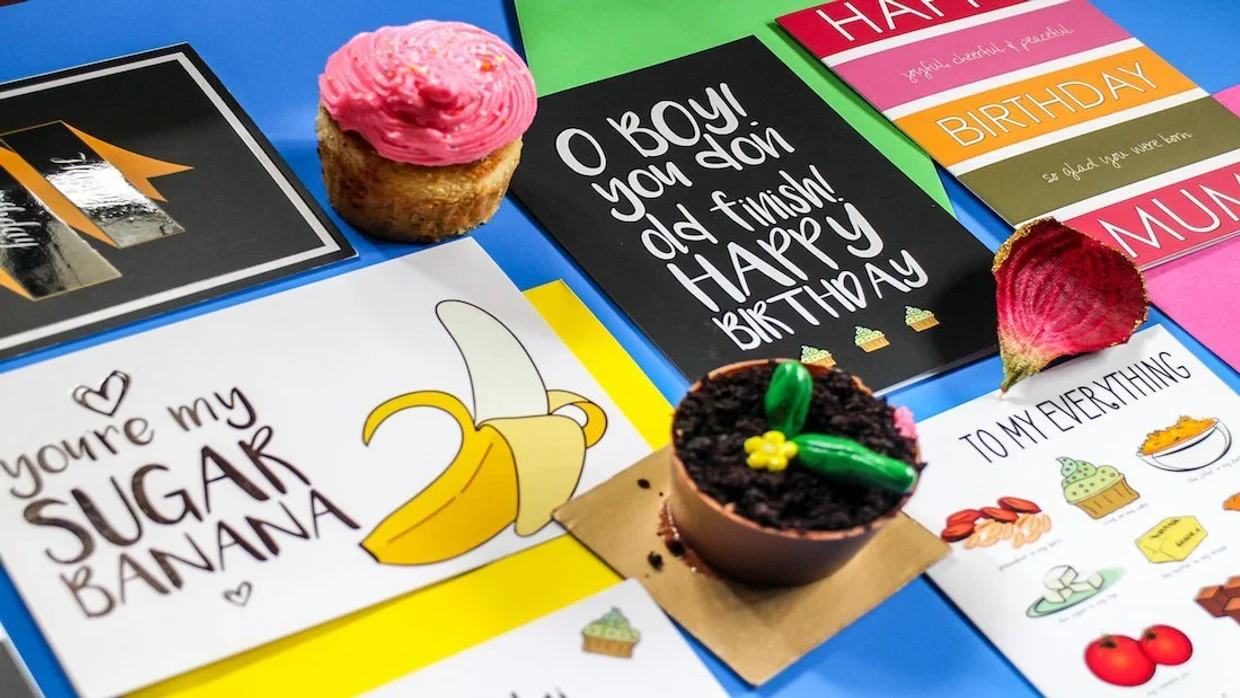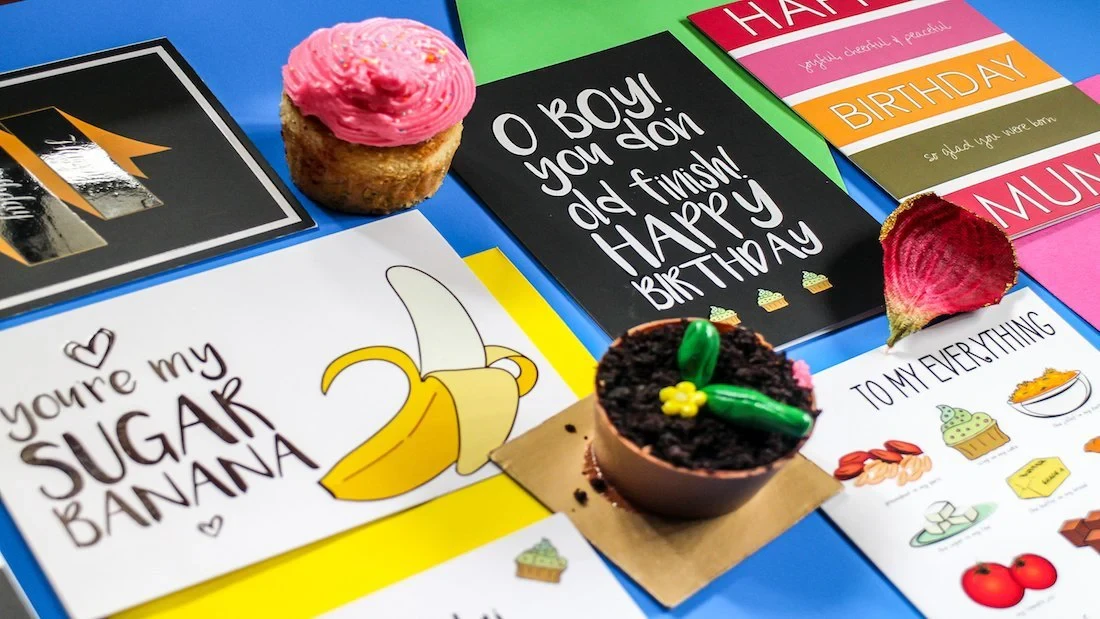


In the quiet aisles of most Lagos bookstores, the greeting card section is a sea of glitter and generic cardstock. Recycled Hallmark verses that feel celebratory in theory, but hollow in practice—the messages sometimes miss the mark because they weren't written for us. @notjustpulp was born out of that disconnect.
Founded by Chidinma Forster in 2014, the studio began with a simple, personal frustration: the inability to find a birthday card that captured the specific wit and warmth of Nigerian friendship. What started as a search for a unique gift has evolved into one of the country's most intentional creative hubs.
The brilliance of Not Just Pulp lies in its restraint. While others might lean into over-the-top aesthetics, Akobundu and her team focus on the quirky—the inside jokes, the local vernacular, the shared experiences that make a Nigerian household feel like home. A birthday card here doesn't just say "Happy Birthday." It knows the difference between how you celebrate your day one and how you gas your friend who just got a new job. That specificity is everything.
Forget the saccharine roses and cupids. Their cards and mugs speak the actual language of Nigerian romance. The kind where "I love you" shares space with "you sef, you're not serious," and affection is layered with the usual teasing. For once, you won't have to cross out the generic message and write your own in the margins. Their Curated Love Collection lets you say it like you mean it to your significant other this Valentine.
But the studio's real evolution is in its shift from stationery brand to creator platform. By opening their doors to a rotating roster of talented illustrators and designers, Not Just Pulp has become a truly collaborative ecosystem. Through the platform, Not Just Pulp collaborates with visual storytellers like Abimbola Ishola, Ikechukwu Somtochukwu Emerenini and Ruth Owota, transforming what could have been a one-woman show into a lighthouse for emerging creatives.
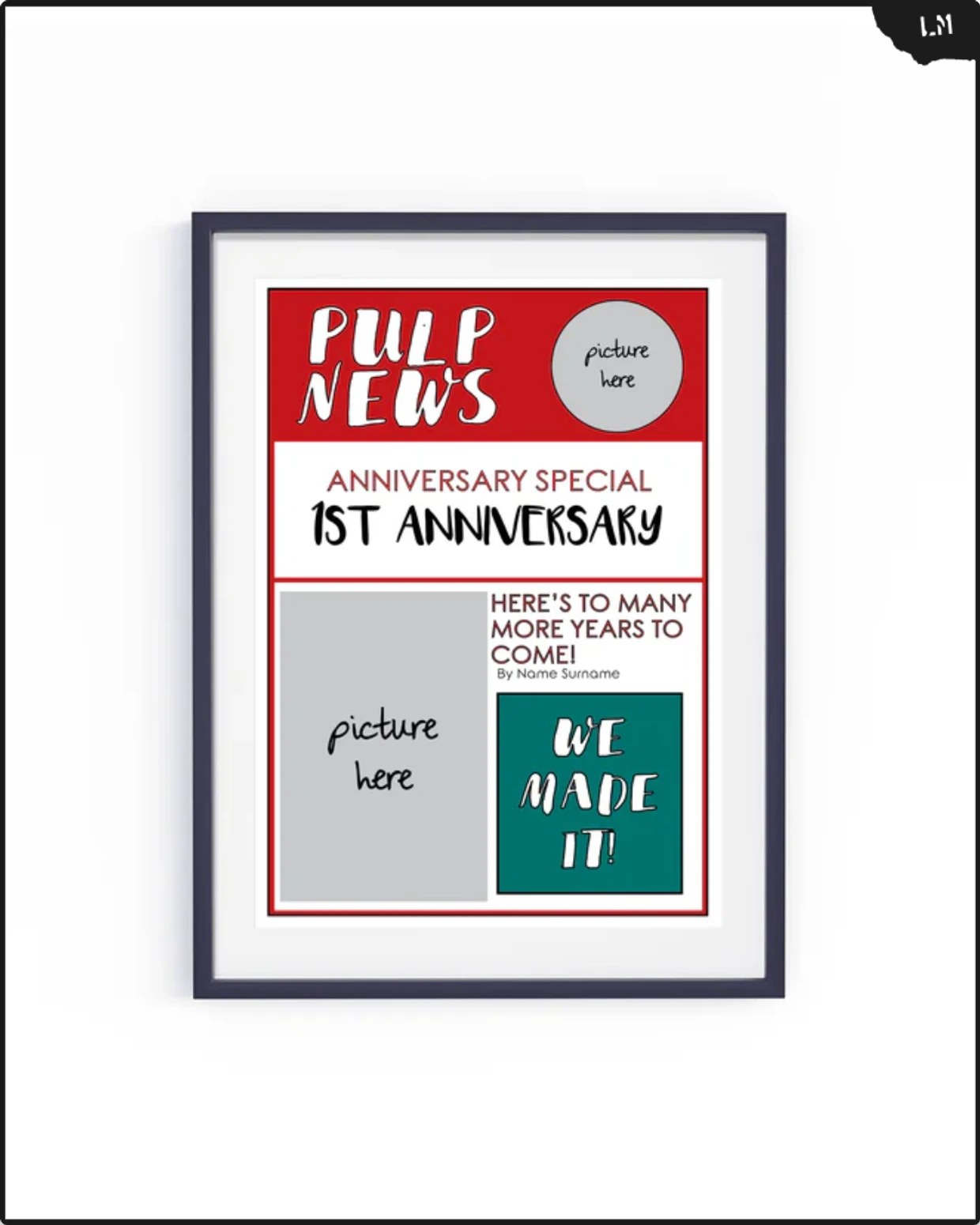
For creators, the lesson couldn’t be clearer: excellence doesn't require that you reinvent the wheel. Sometimes, it just requires looking at the most common objects in our lives—a card, a mug, a notebook—and asking how they can be made to speak our language. Not Just Pulp asked that question a decade ago. Today, they're still answering it.