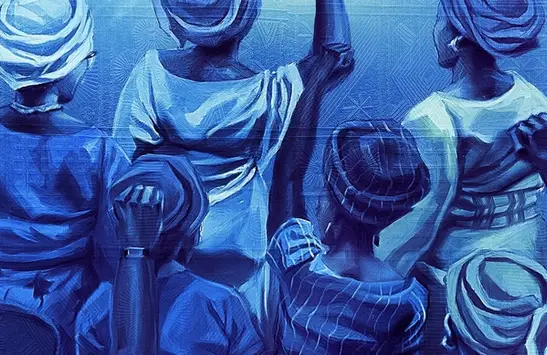


Kenny Owolawi (Owolawi Kehinde) is a Nigerian illustrator, multidisciplinary designer, and art director based in Lagos, Nigeria. His practice spans illustration, branding, motion design, and experiential work, with a focus on translating ideas and narratives into visual form.
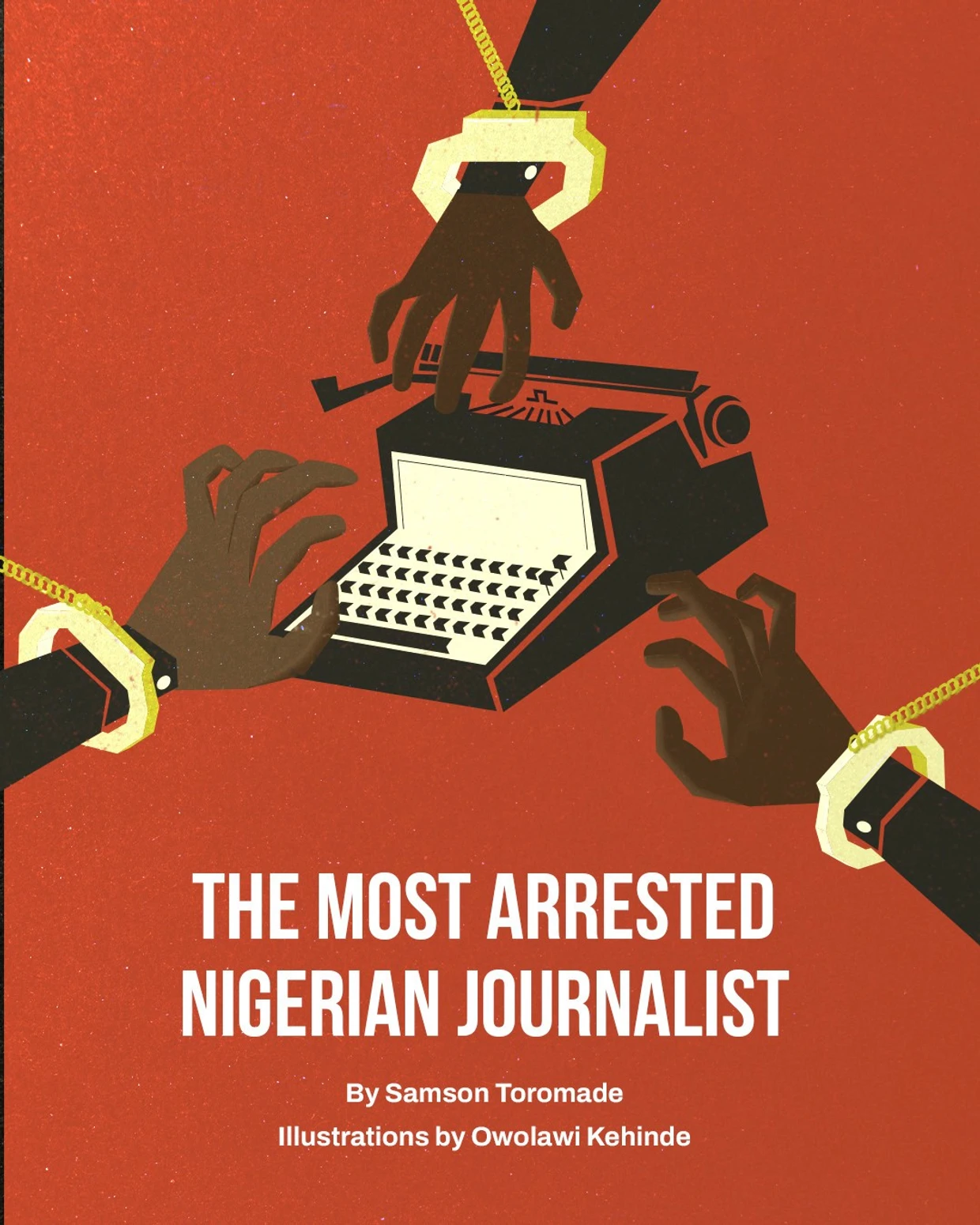

He works as a brand designer and art director at Archivi.ng, an instititution focused on digitizing, preserving, and interpreting Nigerian history through archival materials. His role involves developing visual systems and creating editorial illustrations that support long-form historical storytelling.

His work has been recognized internationally. He was recently named a Category Winner at the World Illustration Awards 2025 in the Editorial (New Talent) category, presented by the Association of Illustrators (AOI) in partnership with Directory of Illustration.
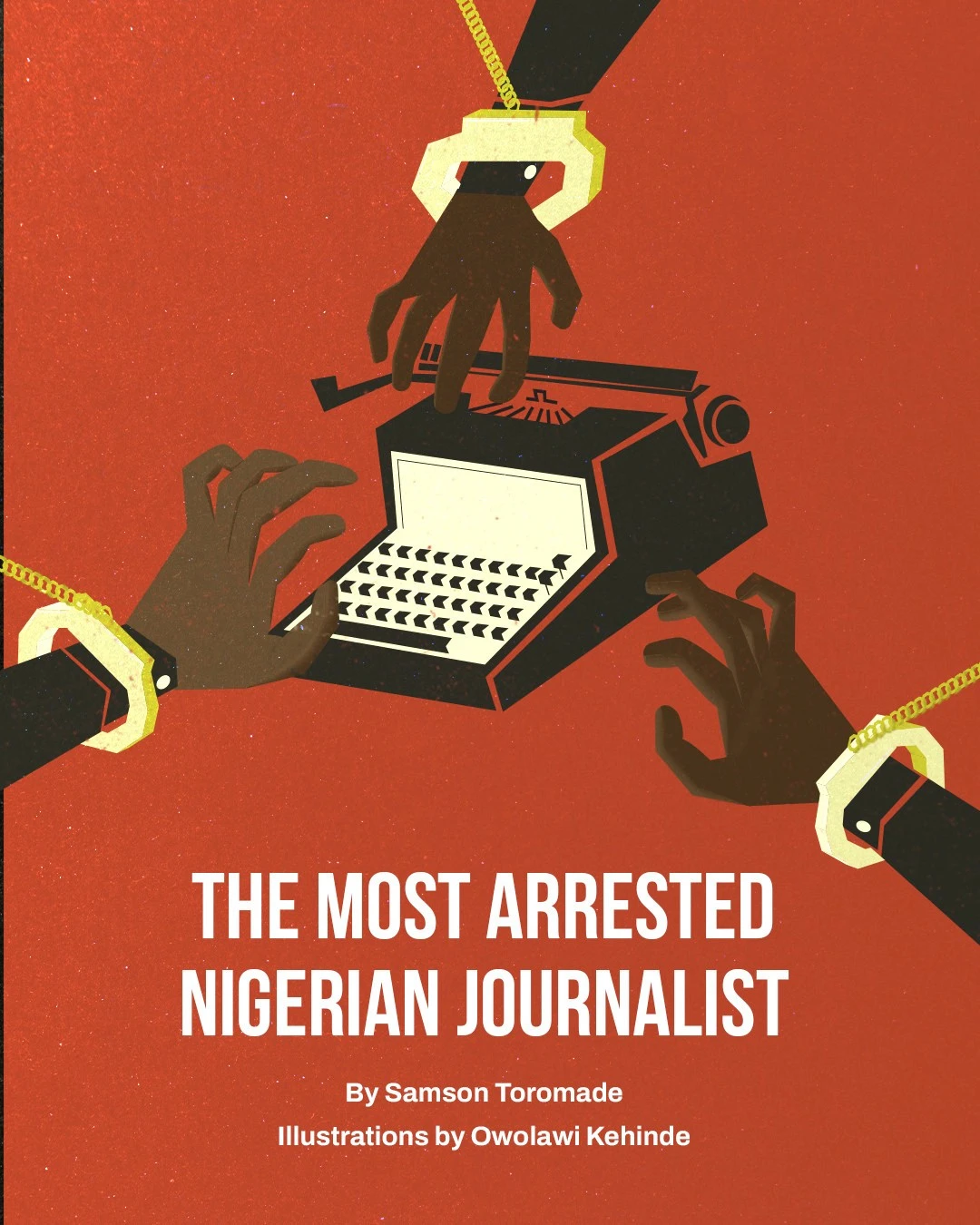
Kenny Owolawi’s editorial work often involves translating research-backed editorial stories into visual outputs. These outputs include vector illustrations, 3D designs, and digital collages, depending on the needs of each story and the constraints of the production timeline.

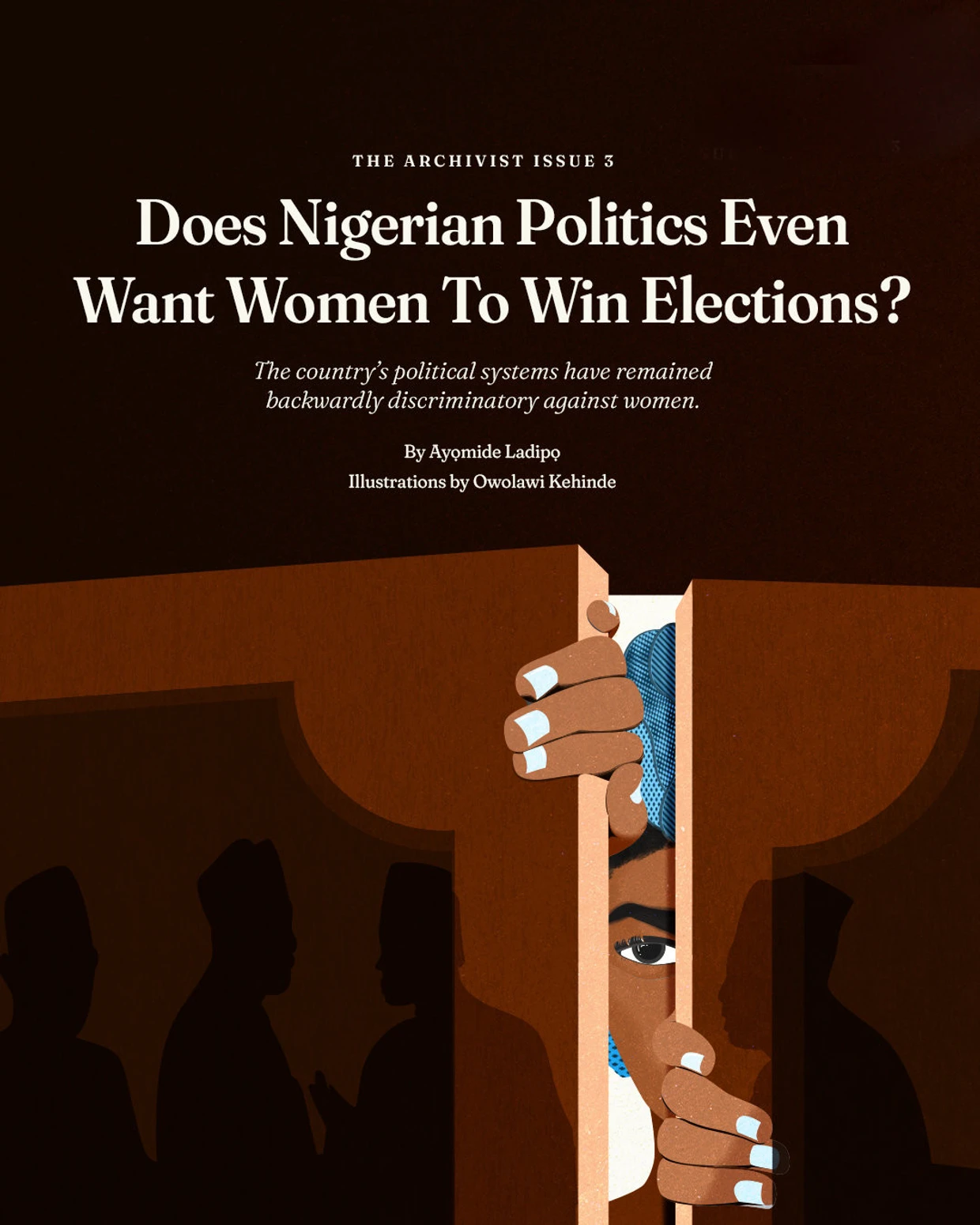
His approach is concept-driven. He selects objects that are culturally and contextually relevant to the narrative and develops them into visual metaphors. These objects are used to communicate layered meanings beyond their literal function.
For example, in his work, everyday objects are assigned symbolic roles. A broken comb can represent resilience, a gramophone can signify protest, a cassette reel can suggest restriction or confinement, and spectacles can represent perspective or differing viewpoints.
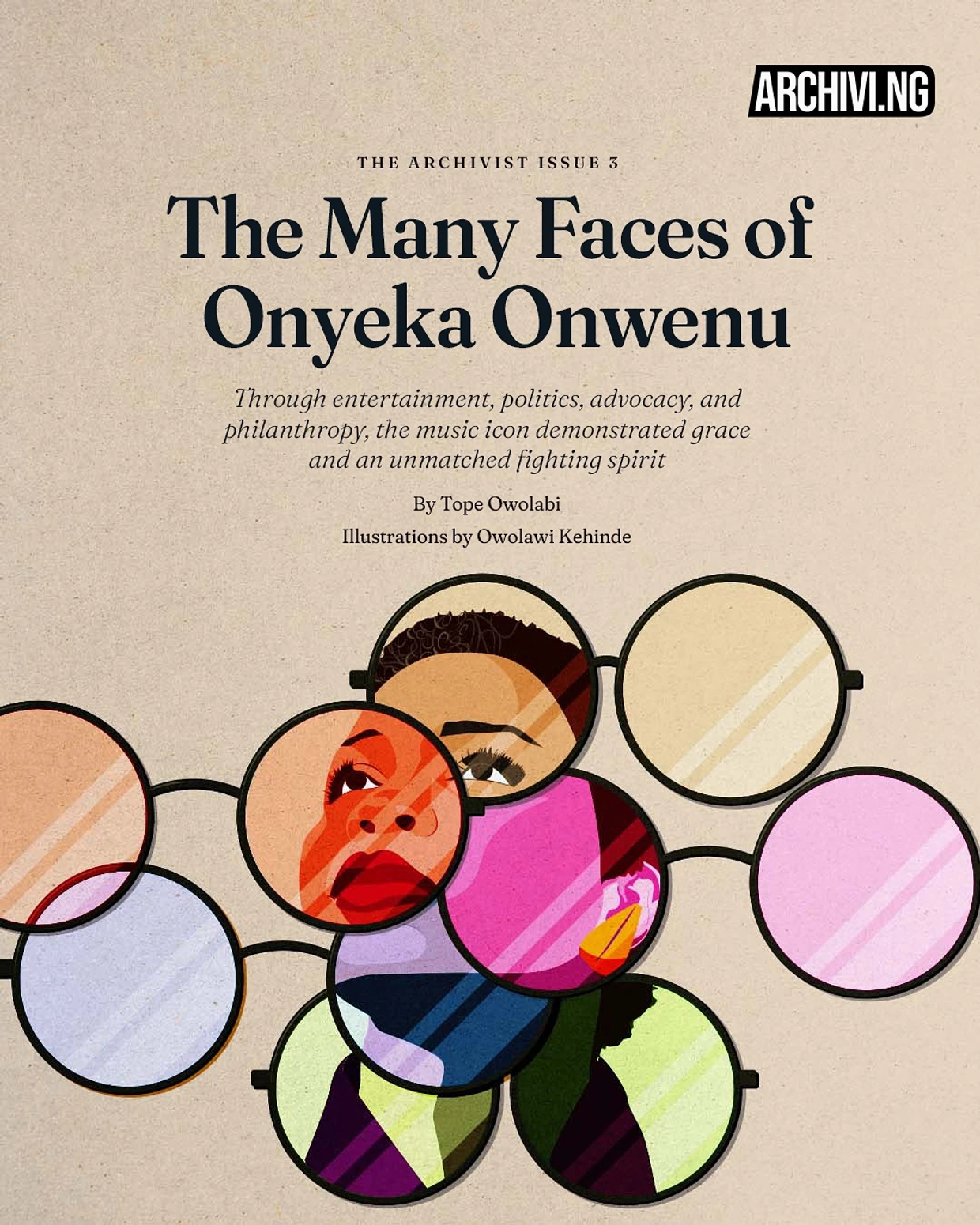
In a piece focused on Onyeka Onwenu, he designed a cover titled “The Many Faces of Onyeka Onwenu.” The concept was expressed through reflections in spectacles, using the visual device to represent multiple public perceptions of her identity and career. The accompanying visuals included subtle animations that reinforced this idea of layered viewpoints.
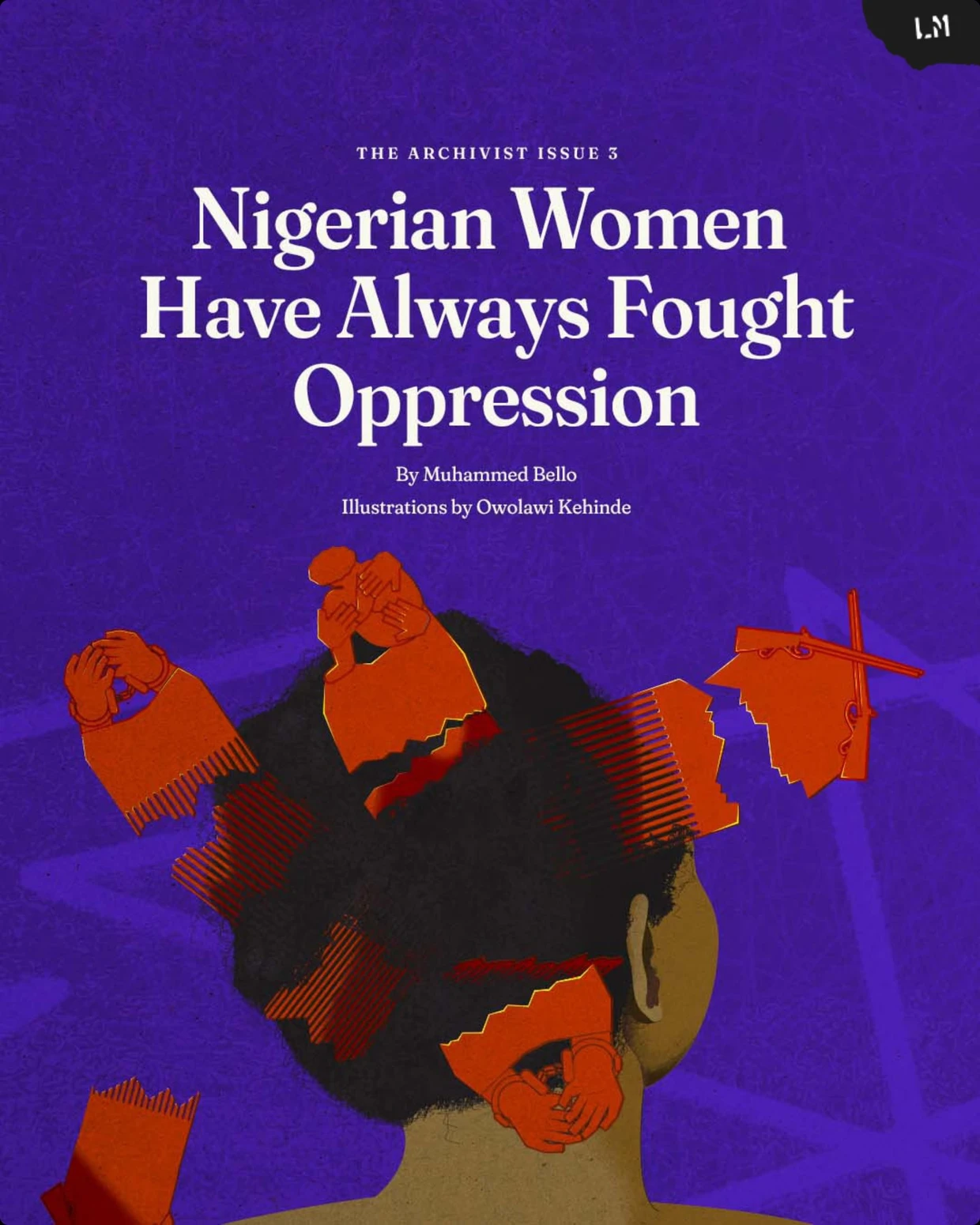
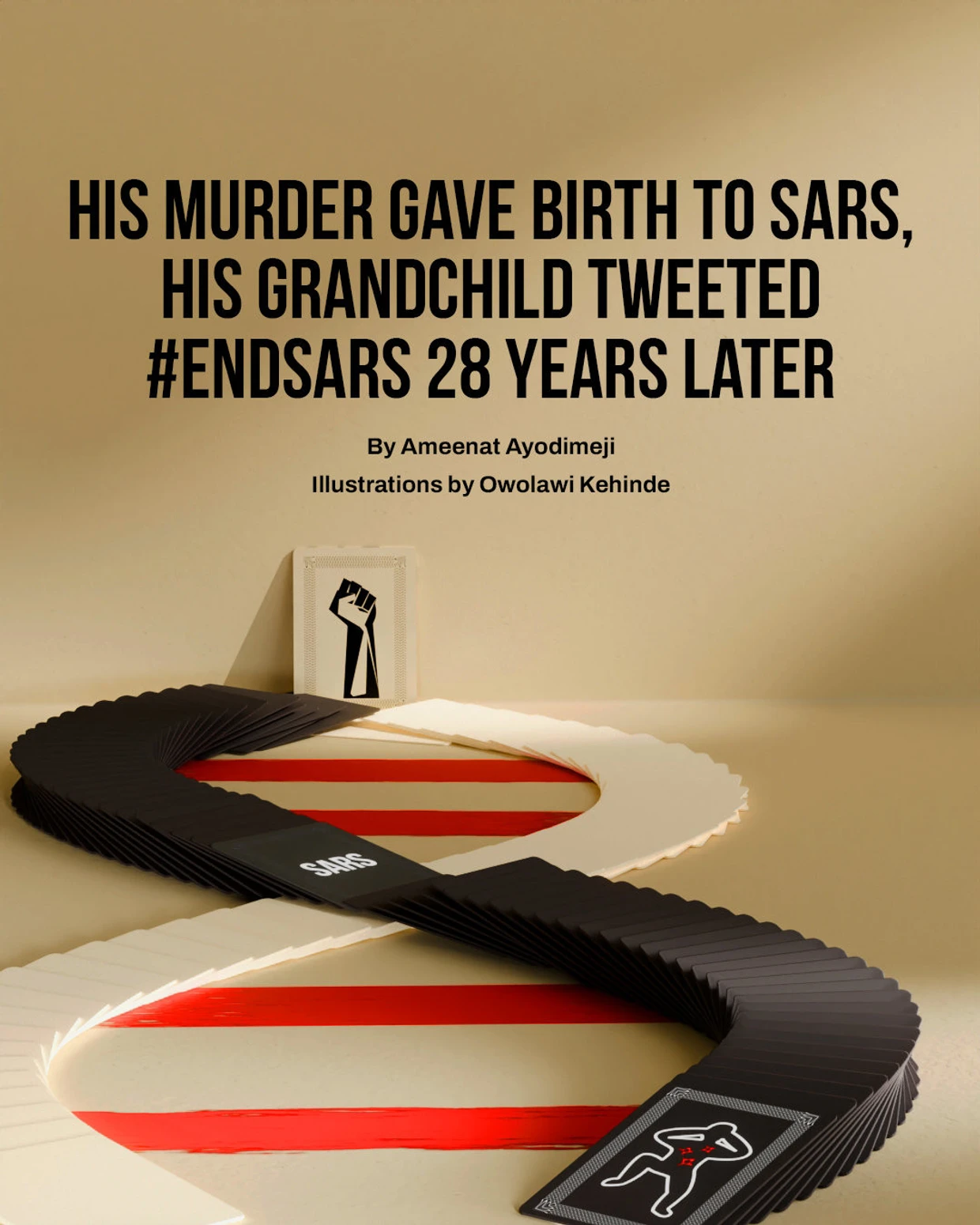
His technical process is flexible and tool-based. He uses software such as Adobe Illustrator for vector-based work and After Effects for animation. For projects requiring depth and dimensionality, he incorporates 3D tools like Blender into his workflow.
Across his work, his primary focus is on making historical and cultural narratives accessible. He achieves this by converting research-driven content into visual forms that are immediate, interpretable, and grounded in familiar objects and symbols.