

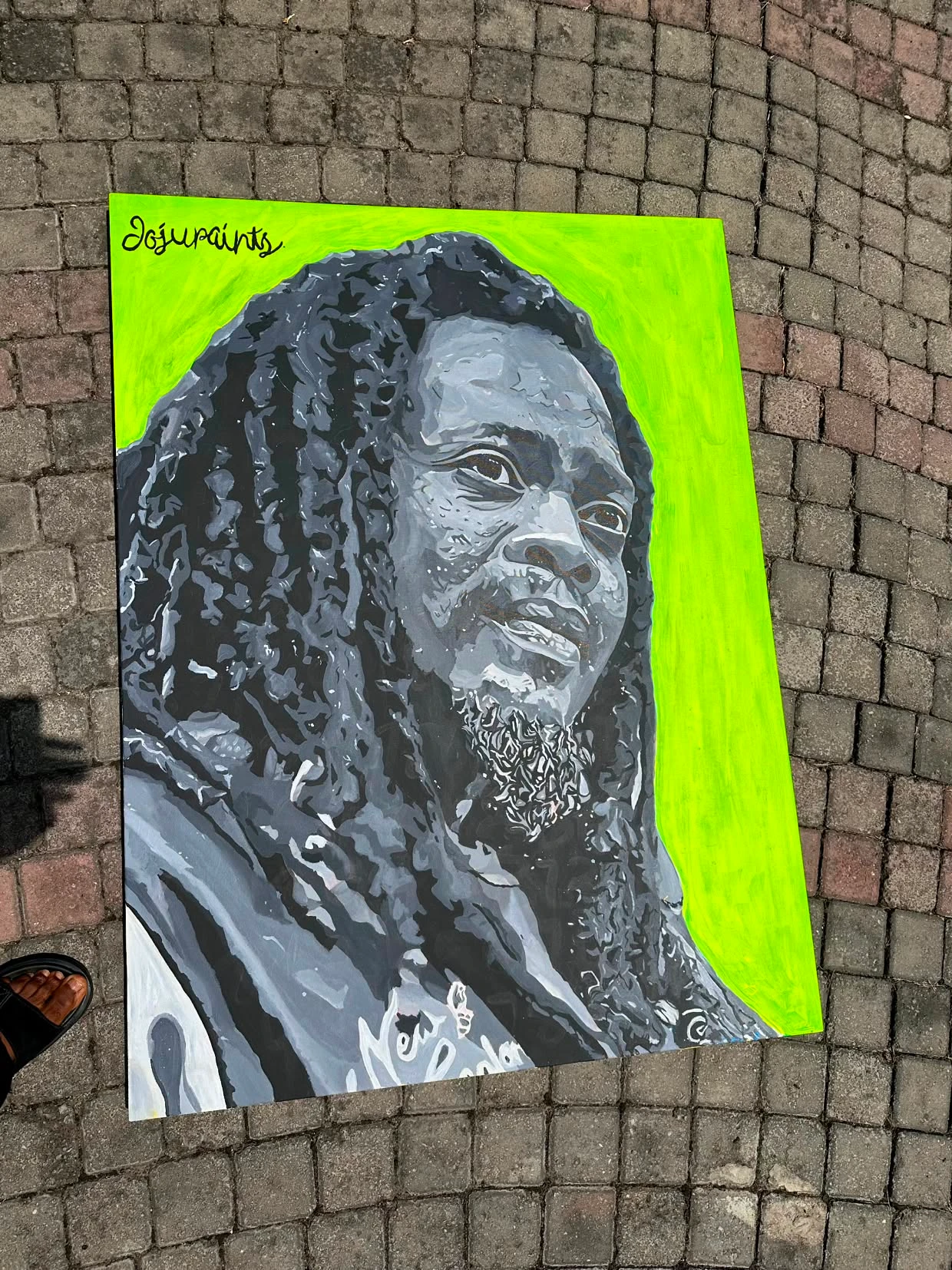
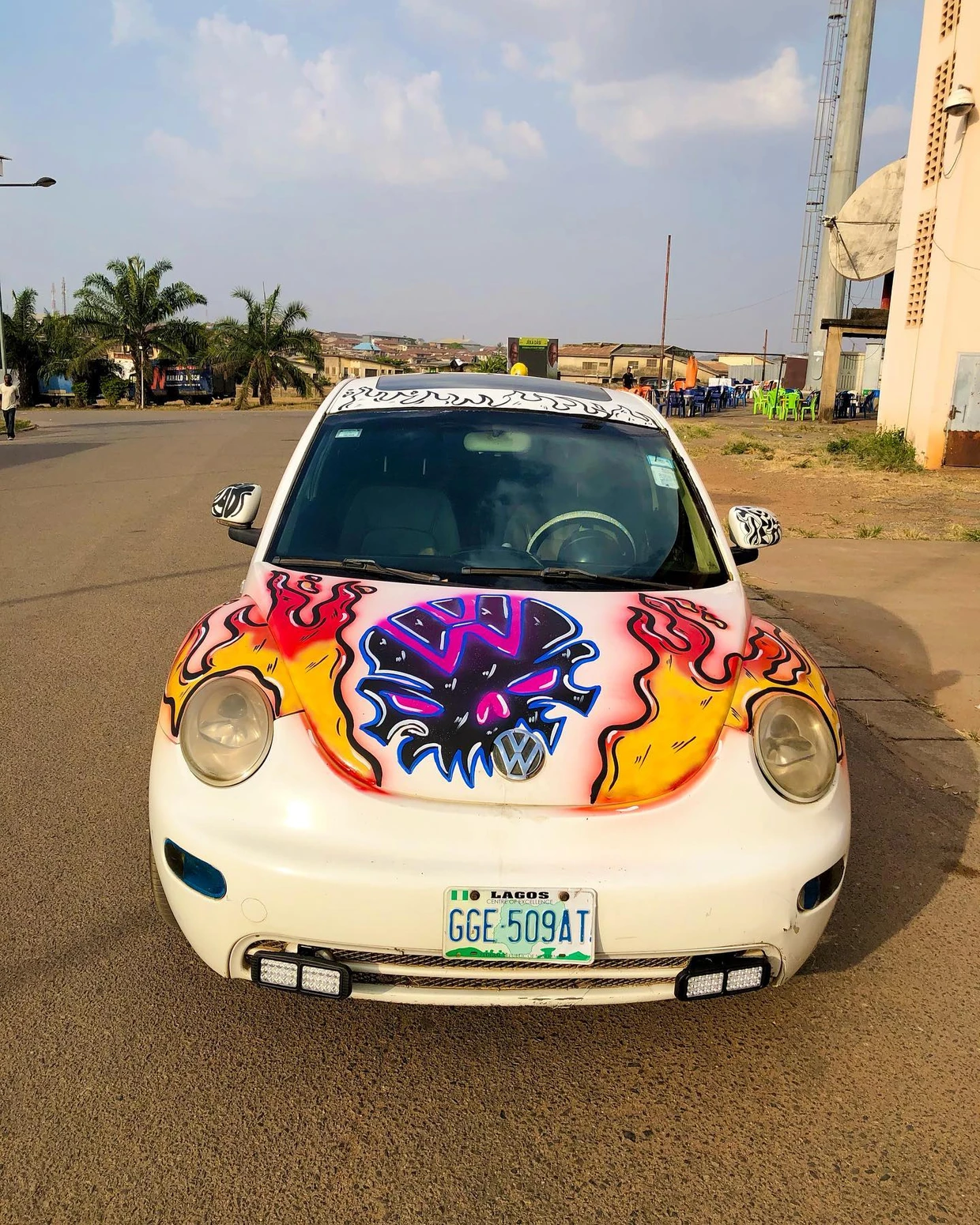
A wall inside a streaming studio, the interior of a fashion store, a pair of sneakers, or someone's face can all become a canvas for Lagos-based artist Joju Paints. Working across murals, face painting, body art, and customised clothing, Joju has developed a practice that takes painting beyond conventional surfaces. His work is particularly visible in commercial spaces, where colourful illustrations and large-scale compositions become part of the environment people interact with. From creating murals for Nigerian content creator Peller to painting an elaborate tribute to rapper Olamide, Joju's portfolio reflects his interest in music, fashion, entertainment, and the personalities shaping popular culture in Nigeria. His approach is practical as well as expressive: every project requires him to consider not only what he wants to paint, but where the artwork will live and how people will experience it.
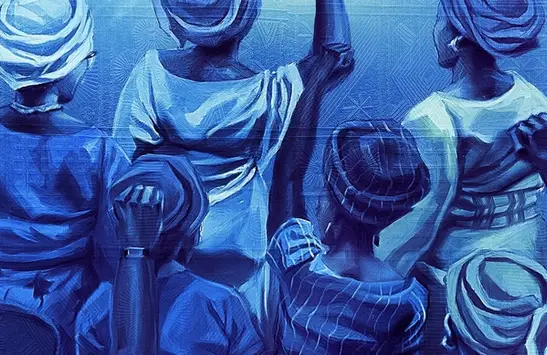
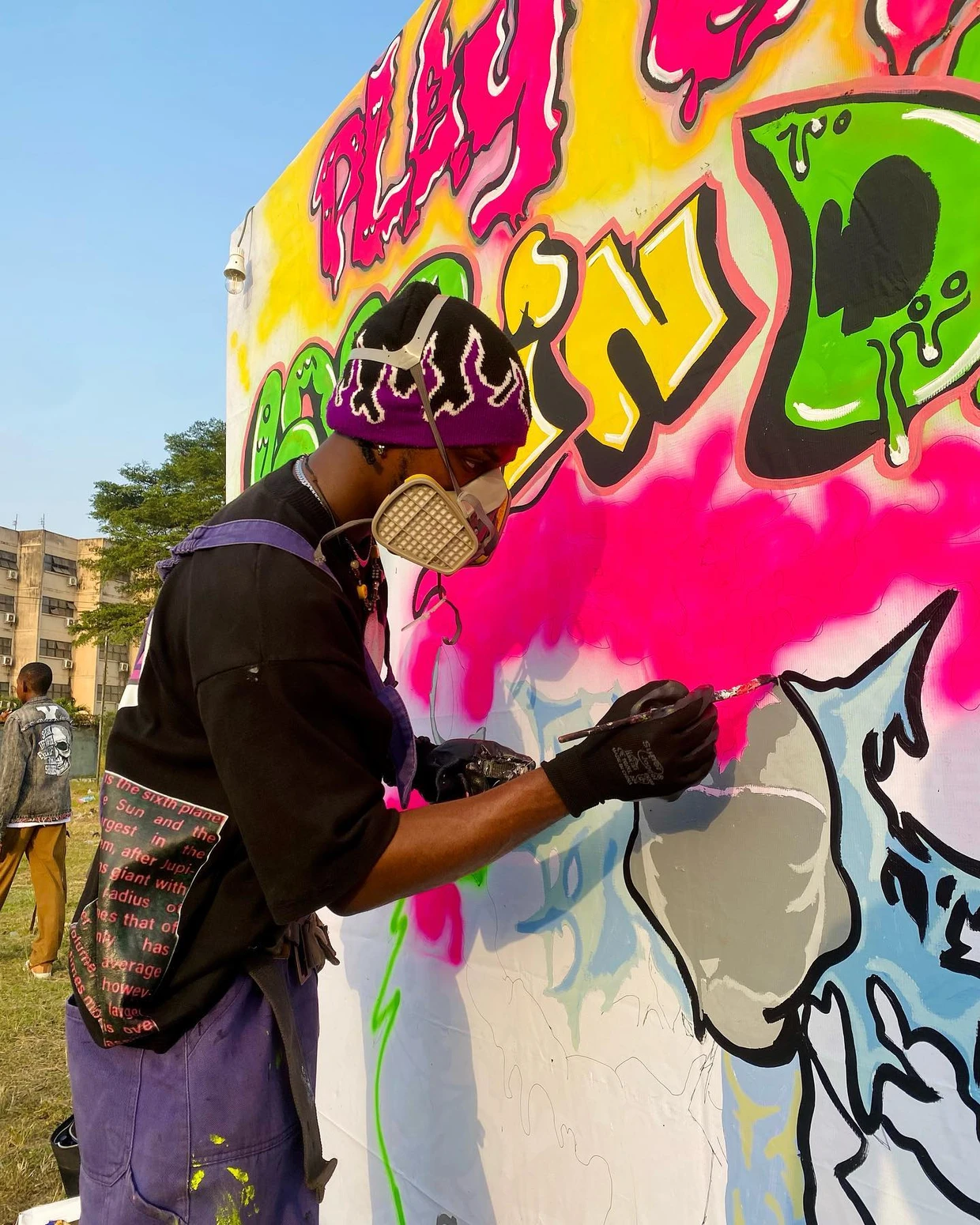
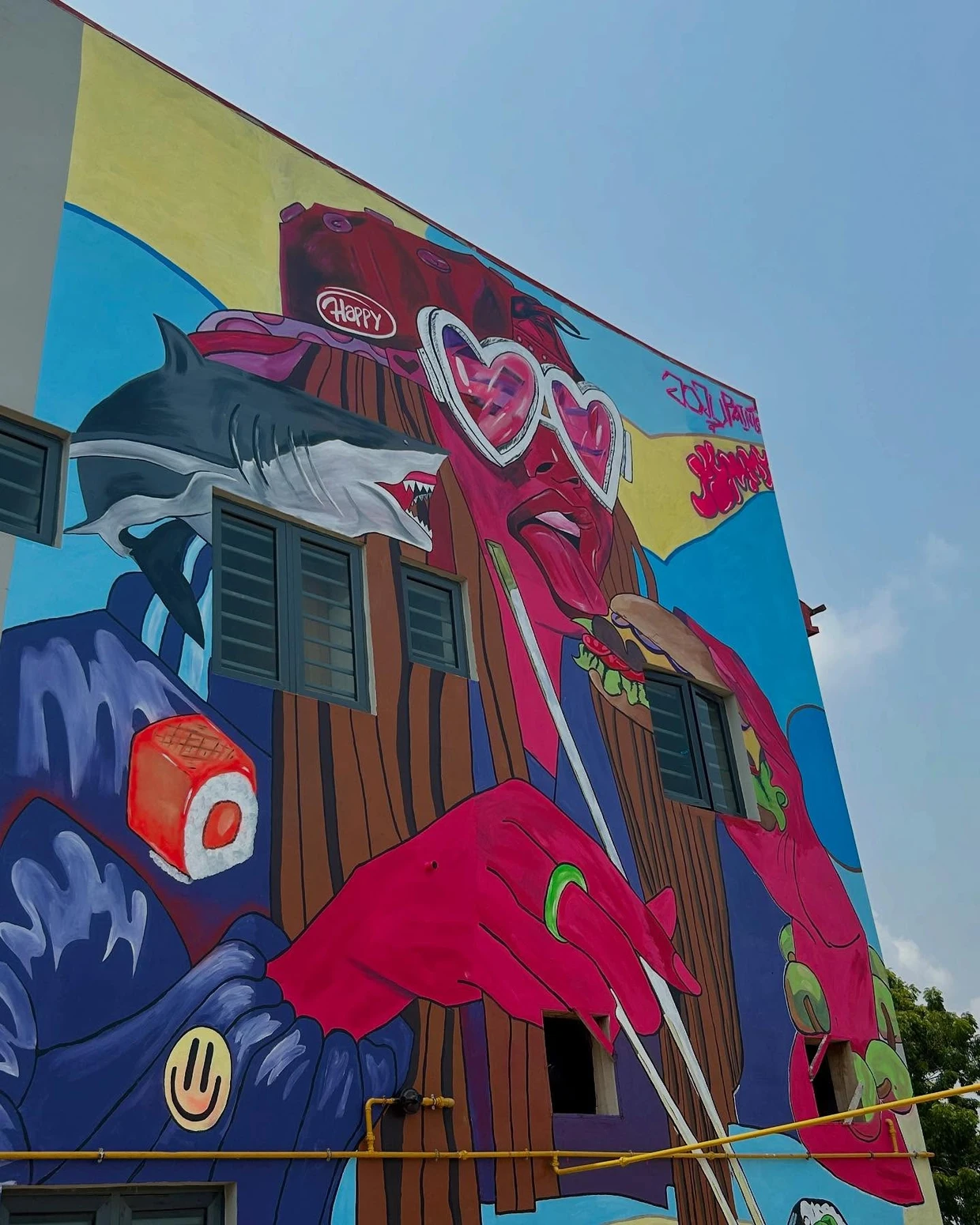
One of Joju's recent commissions was a mural for Nigerian fashion brand Onishakara. The project involved transforming a wall into an illustrated environment that complemented the brand's identity. Joju paid particular attention to the colours, the figure's pose, and the details that would connect the painting to fashion. Unlike an illustration created for a poster or digital campaign, a mural must work within the proportions and physical conditions of its surroundings. Its scale also changes the relationship between the artwork and its audience: people encounter it while moving through the space rather than viewing it on a screen. Joju documented the project through photographs and videos, showing the finished installation and the work involved in creating it. For a fashion business, the result provides more than decoration. It gives the space a distinctive visual character that can become part of how customers remember the brand.
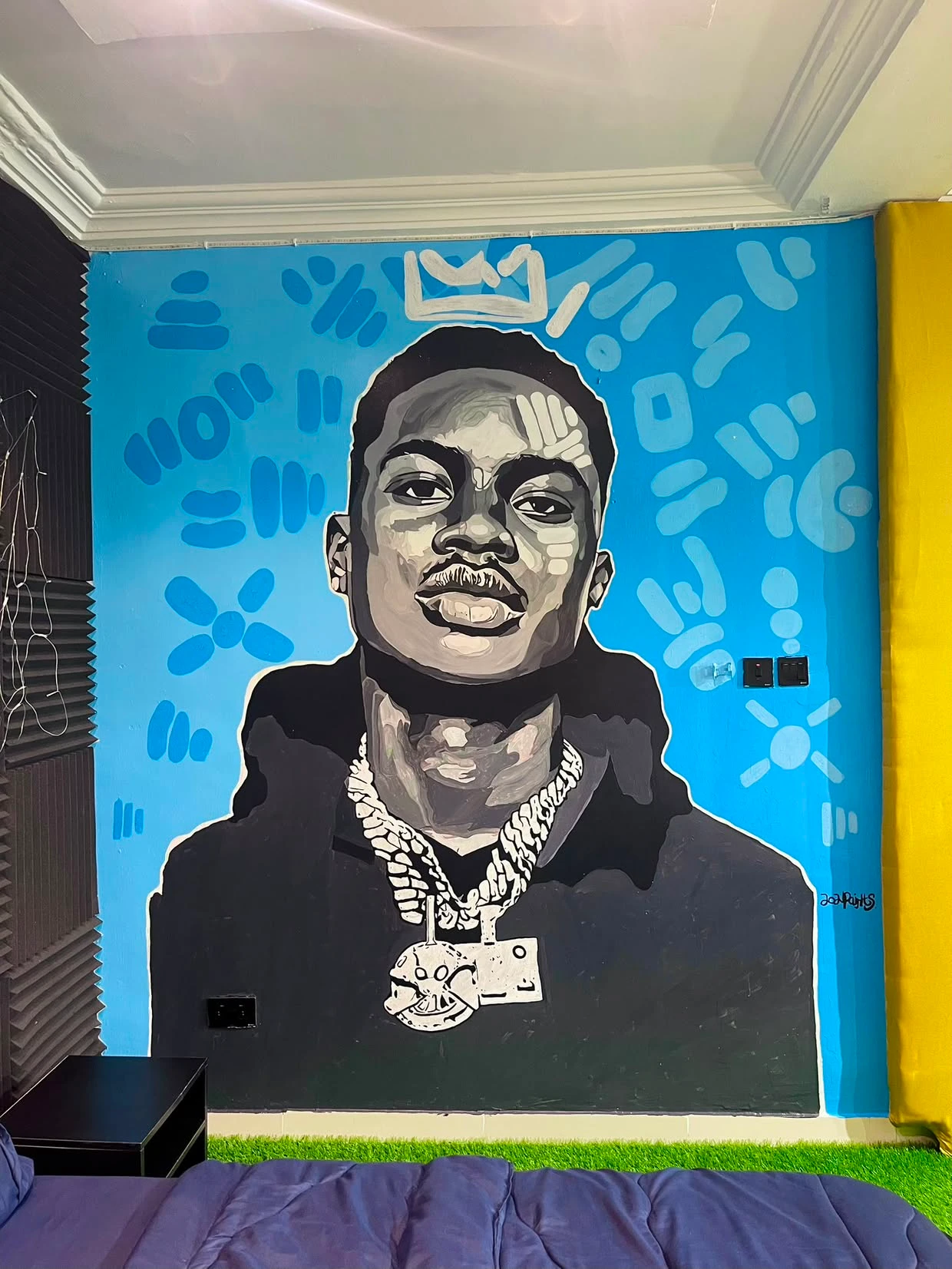
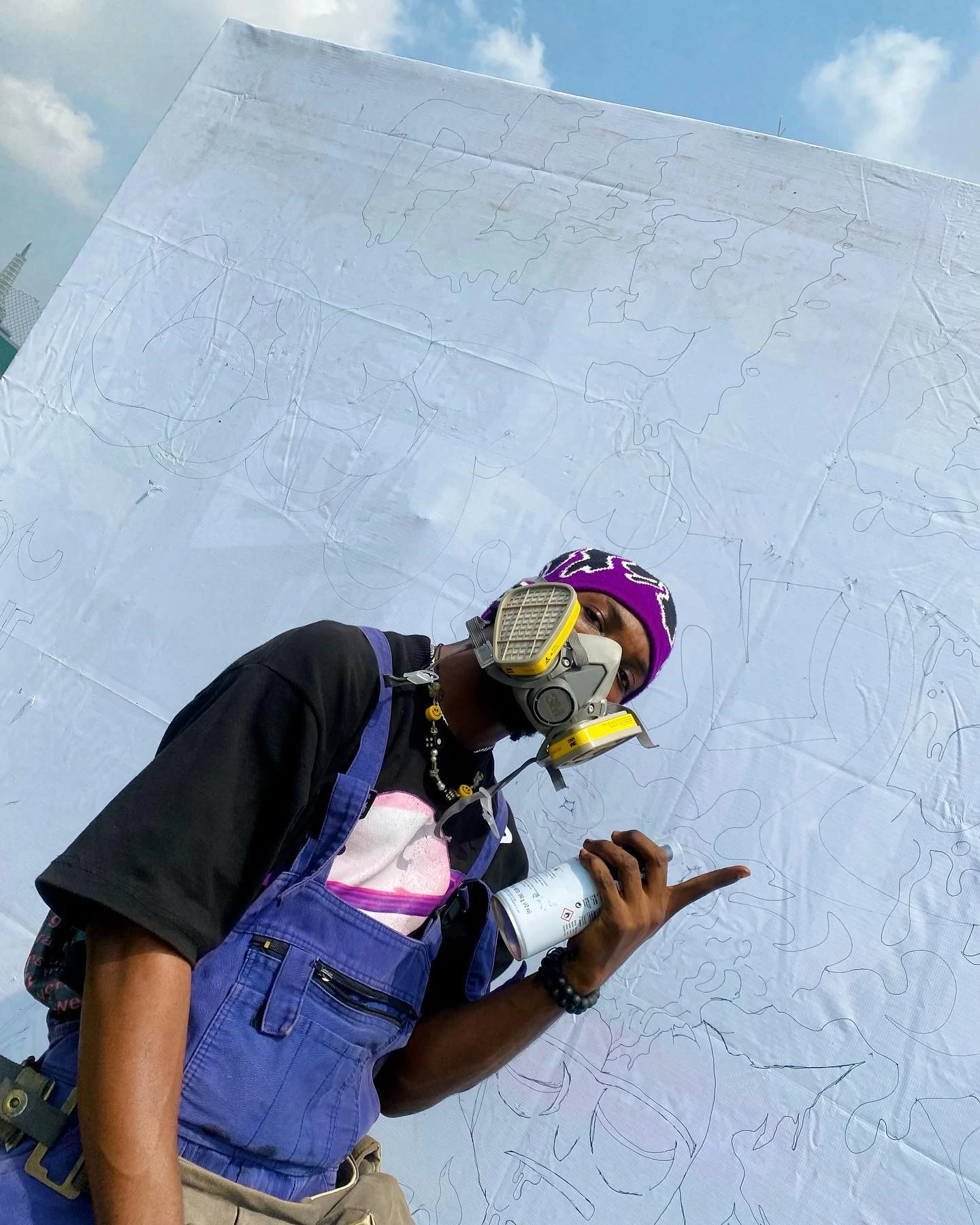
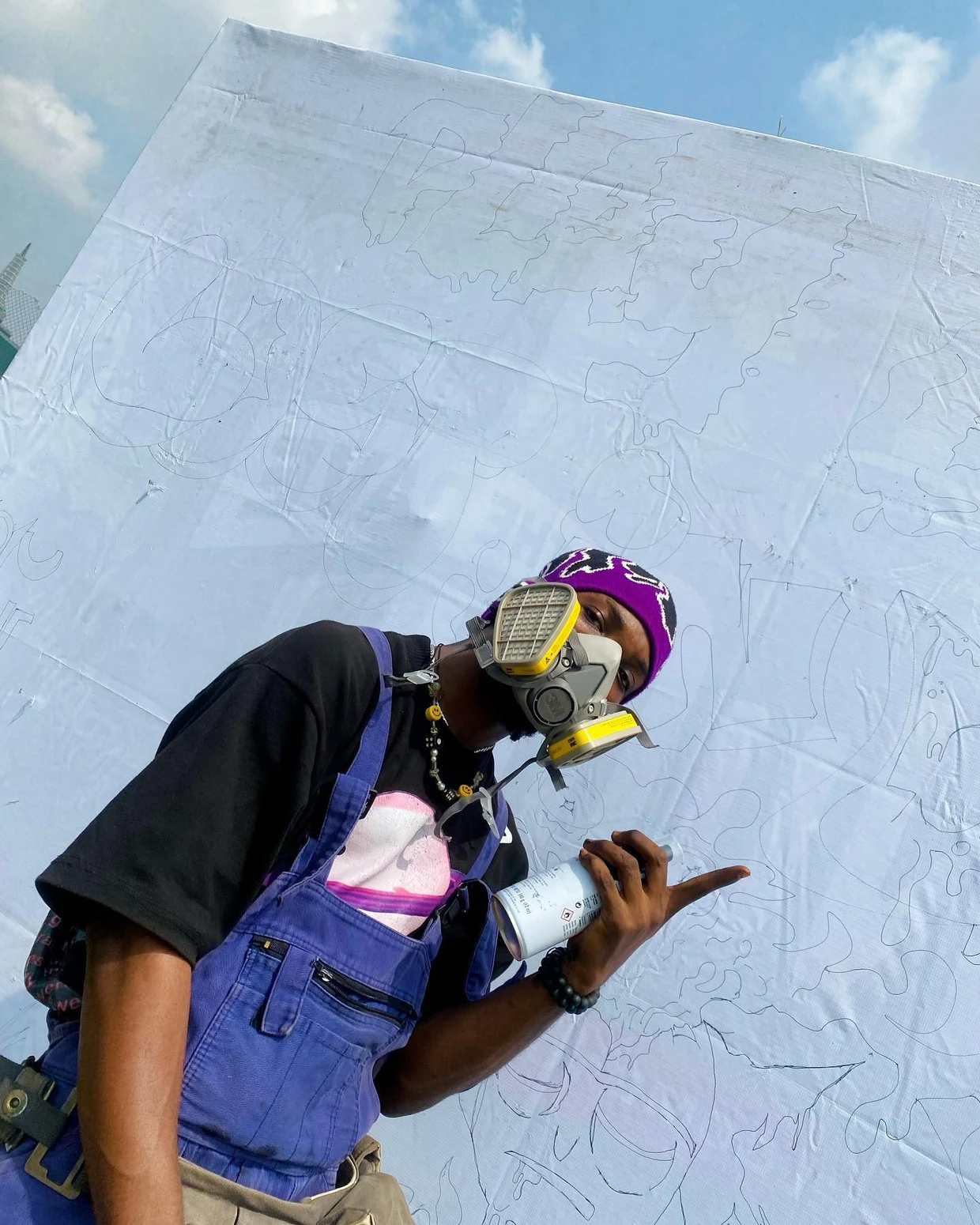
Joju's work has also appeared inside the streaming spaces of Nigerian content creator Peller. Among the commissions was a mafia ghost mural, a character-driven wall painting created for the studio. The project demonstrates a different application of his skills, where the artwork contributes to the background of a space designed for live digital entertainment. Joju shared several stages of the installation, including photographs and videos of the work in progress. He also credited fellow artist Izugod Art and Artfreak for assisting on part of the project. In another commission, Joju worked on the walls of a new streaming studio presented to Peller as a surprise by Jarvis, with assistance from Fredmadeit. These projects show how mural painting has found a place within Nigeria's growing creator economy, where the physical spaces used for filming and streaming are increasingly designed to reflect the personalities of the people occupying them.
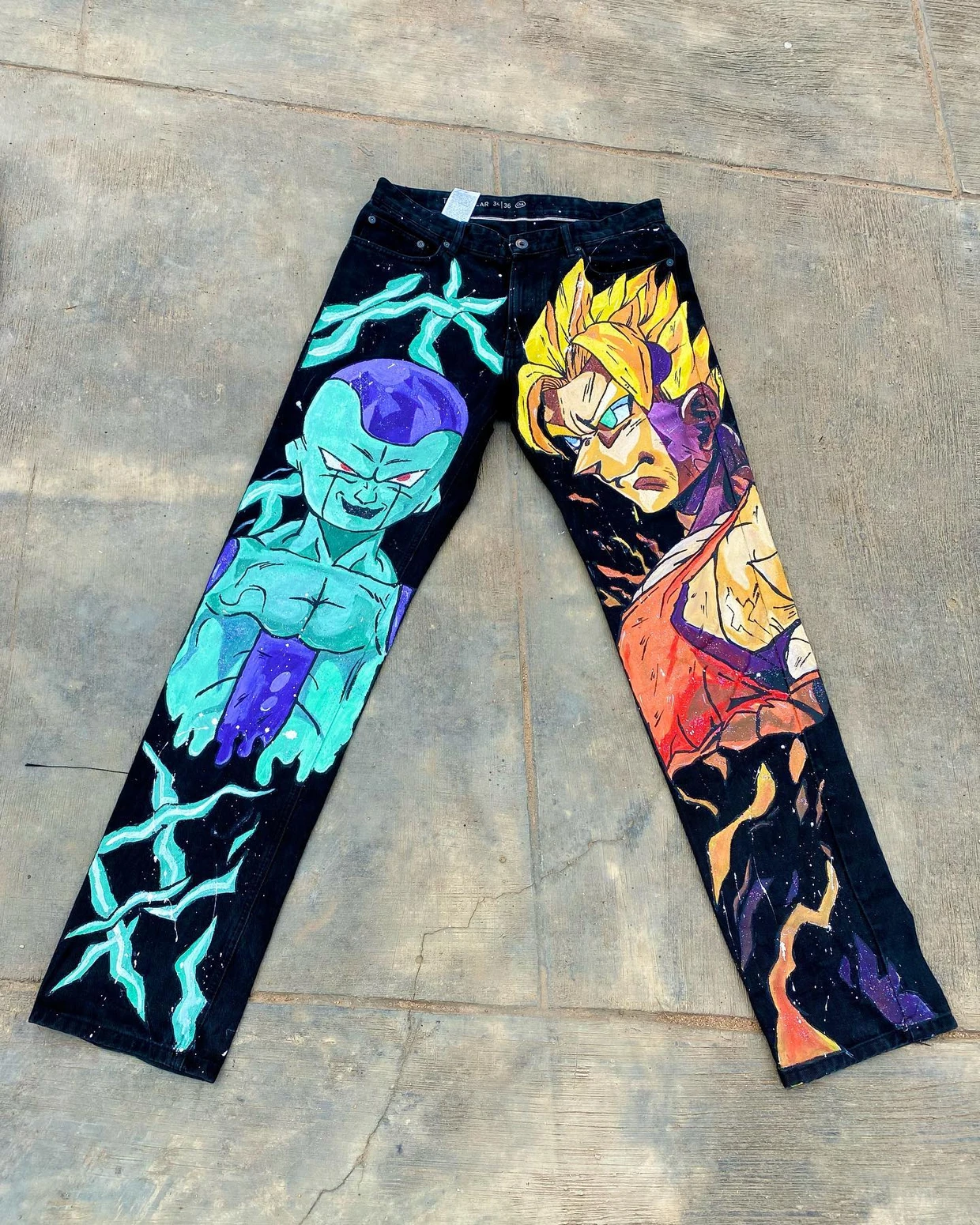
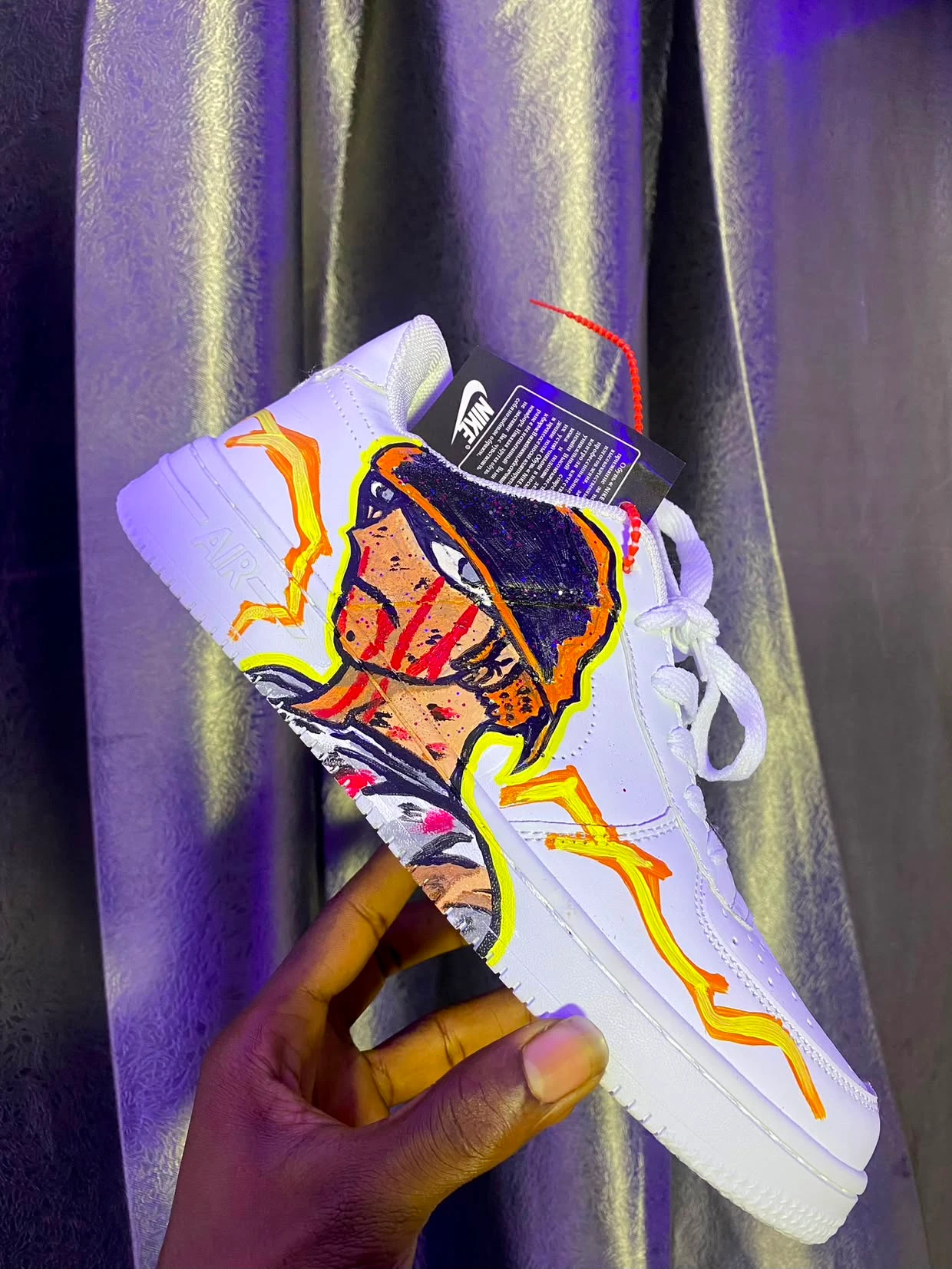
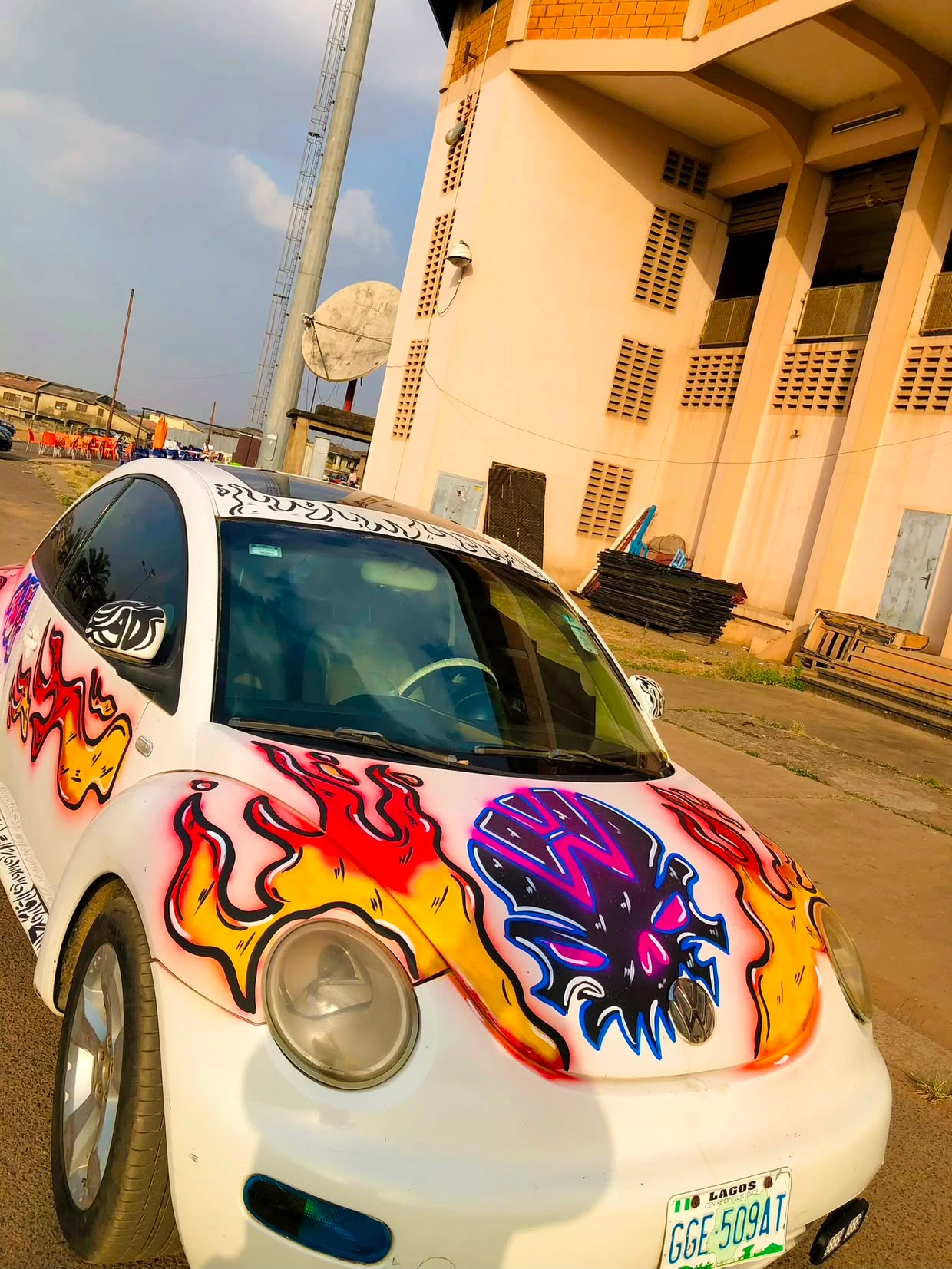
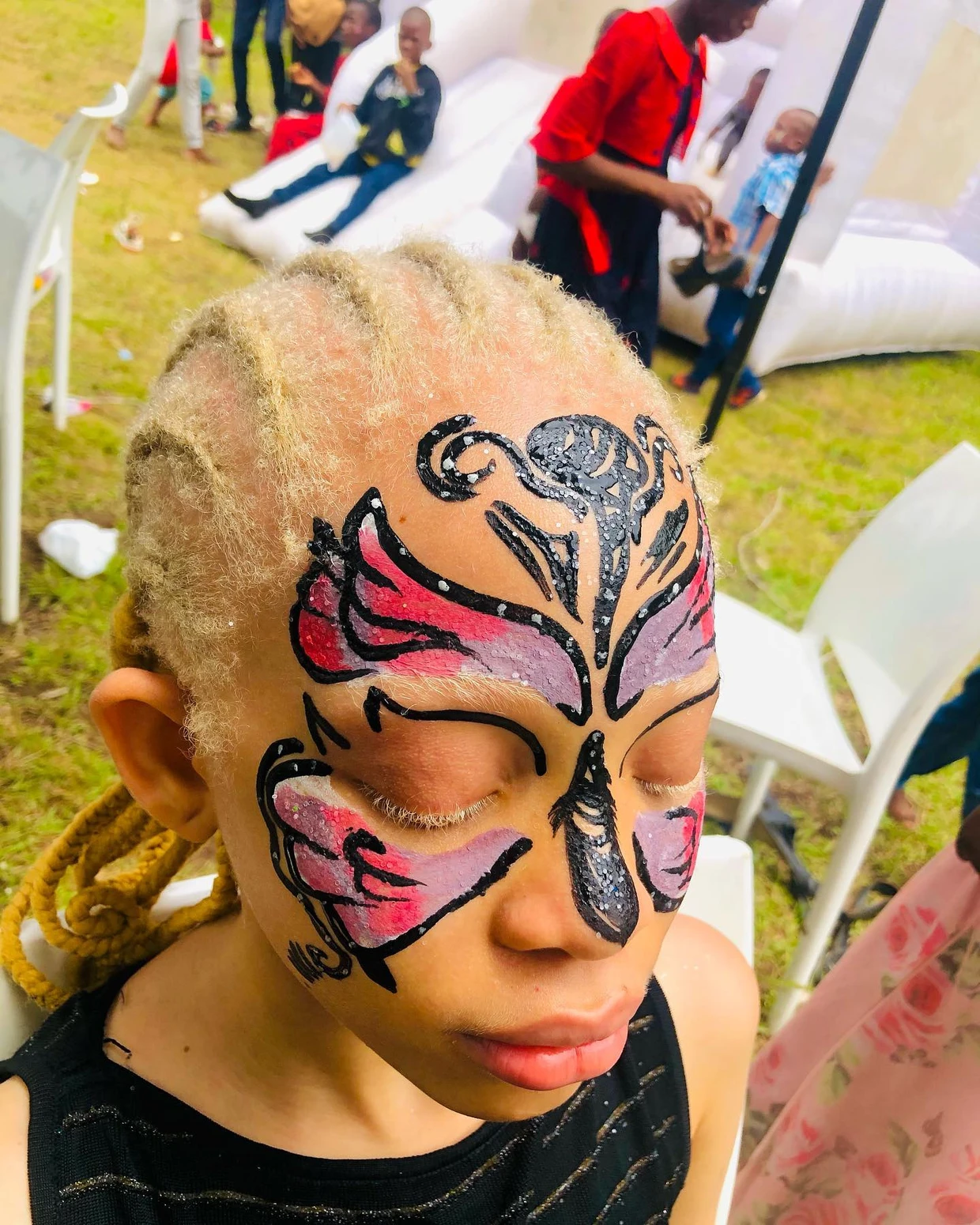
Although murals occupy a significant part of his portfolio, Joju's practice extends to much smaller surfaces. His Instagram archive includes customised sneakers, painted denim trousers, face painting, and other forms of body art. These projects involve different practical considerations from wall painting. A pair of shoes must accommodate the contours and materials of footwear, while painted clothing has to work with fabric and the way it moves. Face painting introduces another temporary surface, one where the artwork becomes part of a person's appearance for a particular event or experience. Working across these formats allows Joju to adapt his techniques to different materials, scales, and purposes. It also demonstrates the range of opportunities available to artists willing to take their work outside traditional studio settings.
Joju regularly documents his painting process, giving followers a look at the stages involved in bringing his projects together. His videos show the physical demands of mural production, from preparing large surfaces and establishing compositions to building up colours and completing smaller details. Some commissions involve assistants, particularly when the scale or schedule requires additional hands. His studio mural projects also capture the atmosphere surrounding the work, including the collaboration and enjoyment involved in completing an installation. These behind-the-scenes recordings are an important part of his portfolio because they show how much labour goes into an artwork that viewers may only encounter once it is finished. They also make his process accessible to people interested in learning about mural painting or commissioning similar work for their own spaces.