


There is a specific, rhythmic weight to the textiles produced by Omolabake Temetan. At first glance, the intricate, grid-like patterns suggest a mastery of traditional Nigerian weaving—the kind of hand-built craft passed down through generations. But look closer, and the material reveals itself: these are shoelaces. Thousands of them, salvaged and re-interlaced into structured, avant-garde silhouettes.

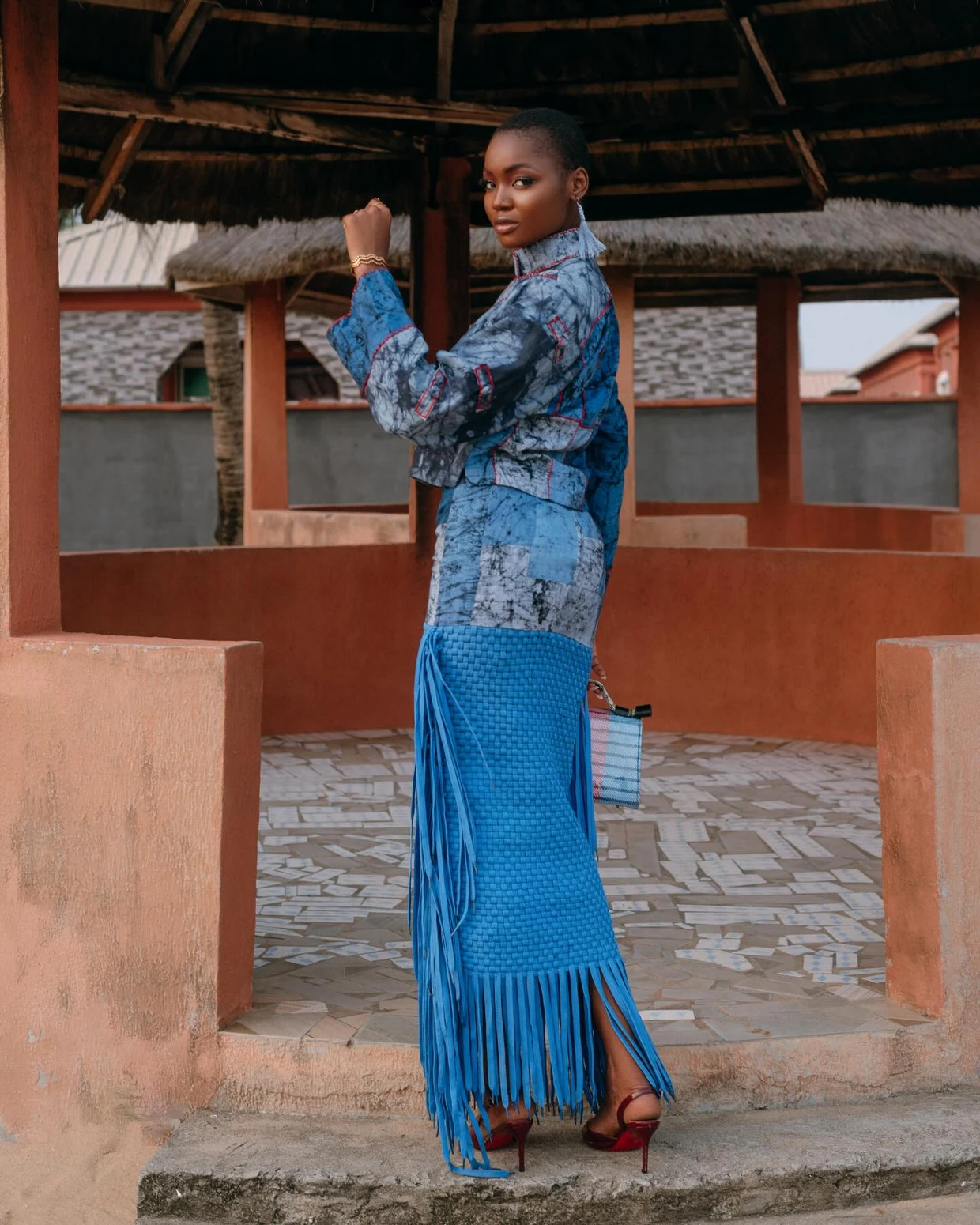
Omolabake Temetan is the founder and creative director of Dust of the Earth, a Lagos-based artisanal brand that launched in 2021. In a city where "fast fashion" often translates to literal mountains of textile waste in markets like Katangua and Tejuosho, Temetan has chosen to build her creative foundation on what others have discarded. Her work isn’t just about sustainability; it is about the elevation of "dust" into something divine.

A 2023 finalist of the prestigious Green Access program at Lagos Fashion Week, Temetan’s approach to design is intensely tactile. Her process begins in the bustling, chaotic aisles of Lagos' second-hand markets. While other designers might look for high-end deadstock, Temetan looks for the overlooked. By sourcing discarded shoelaces and upcycling them through a signature weaving technique, she creates a new kind of "luxury"—one that is defined by time, labor, and intentionality rather than just the price of the raw material.
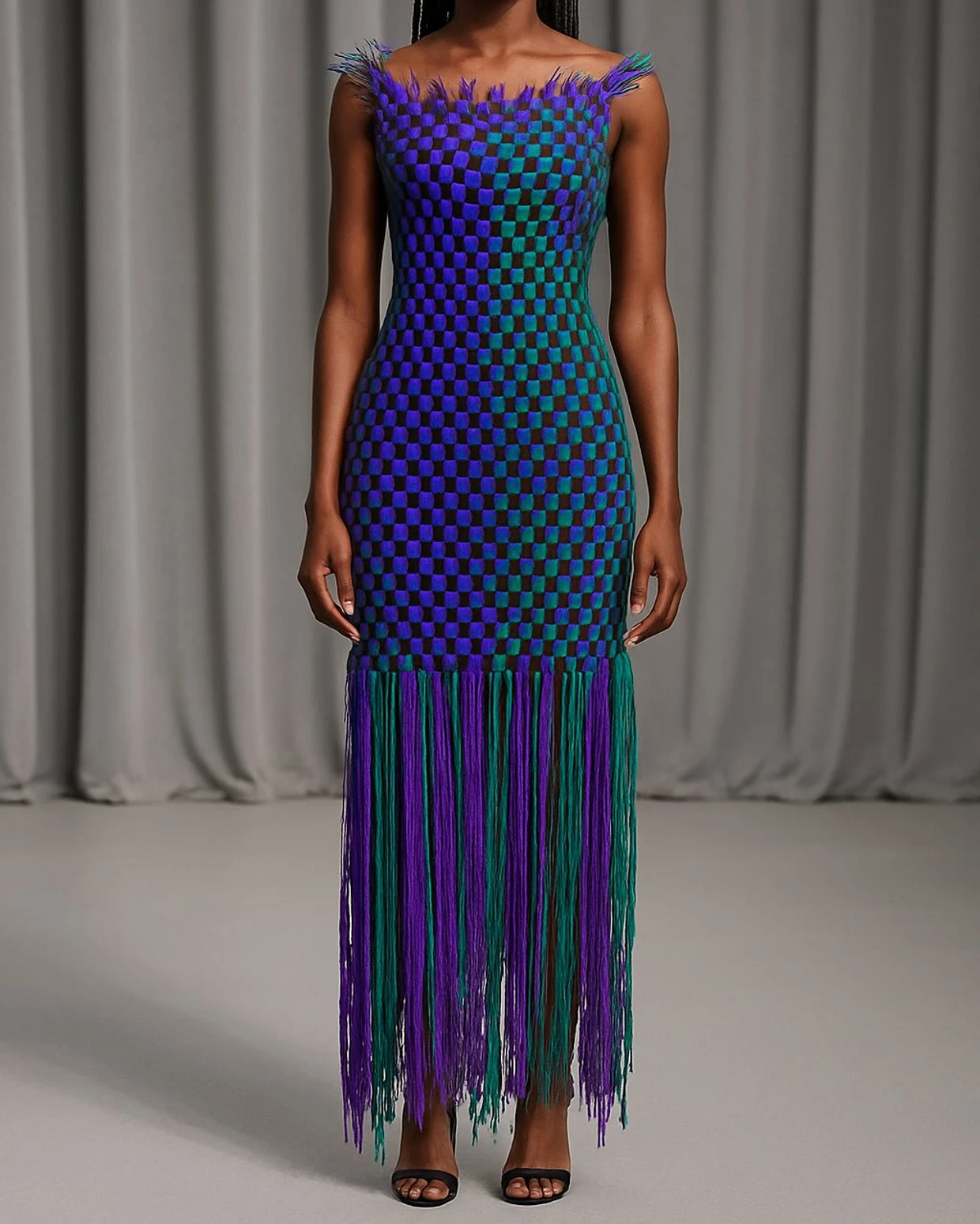

"I’ve always been drawn to the idea of taking something ordinary and making it extraordinary through craft," she has noted when discussing her journey from fashion student to circular designer. This philosophy is evident in her recent collections, where the heavy textures of woven laces are balanced against fluid, modern cuts for both men and women.

For the Lagos creative community, Omolabake’s work serves as a powerful reminder: great work does not require a massive budget or imported materials; it requires a unique eye and a commitment to the craft. By leaning into the limitations of waste, she has discovered a visual language that is entirely her own. She proves that the "Lagos spirit"—that innate ability to hustle and innovate—can be channeled into high-level, environmentally conscious art.


When we talk about the future of Nigerian creativity, it looks a lot like Omolabake’s workshop: a place where tradition meets the circular economy, and where even a shoelace can become a masterpiece.