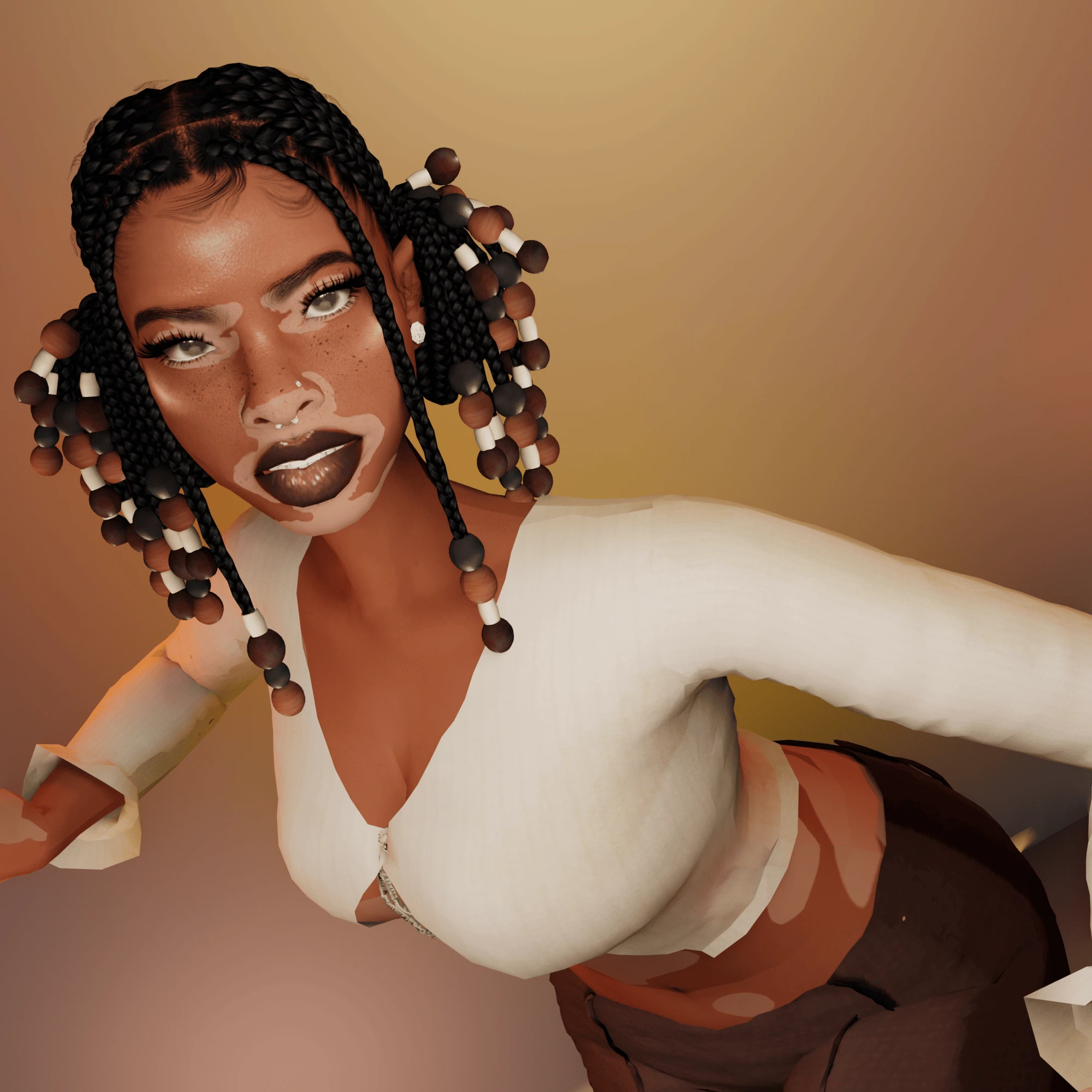


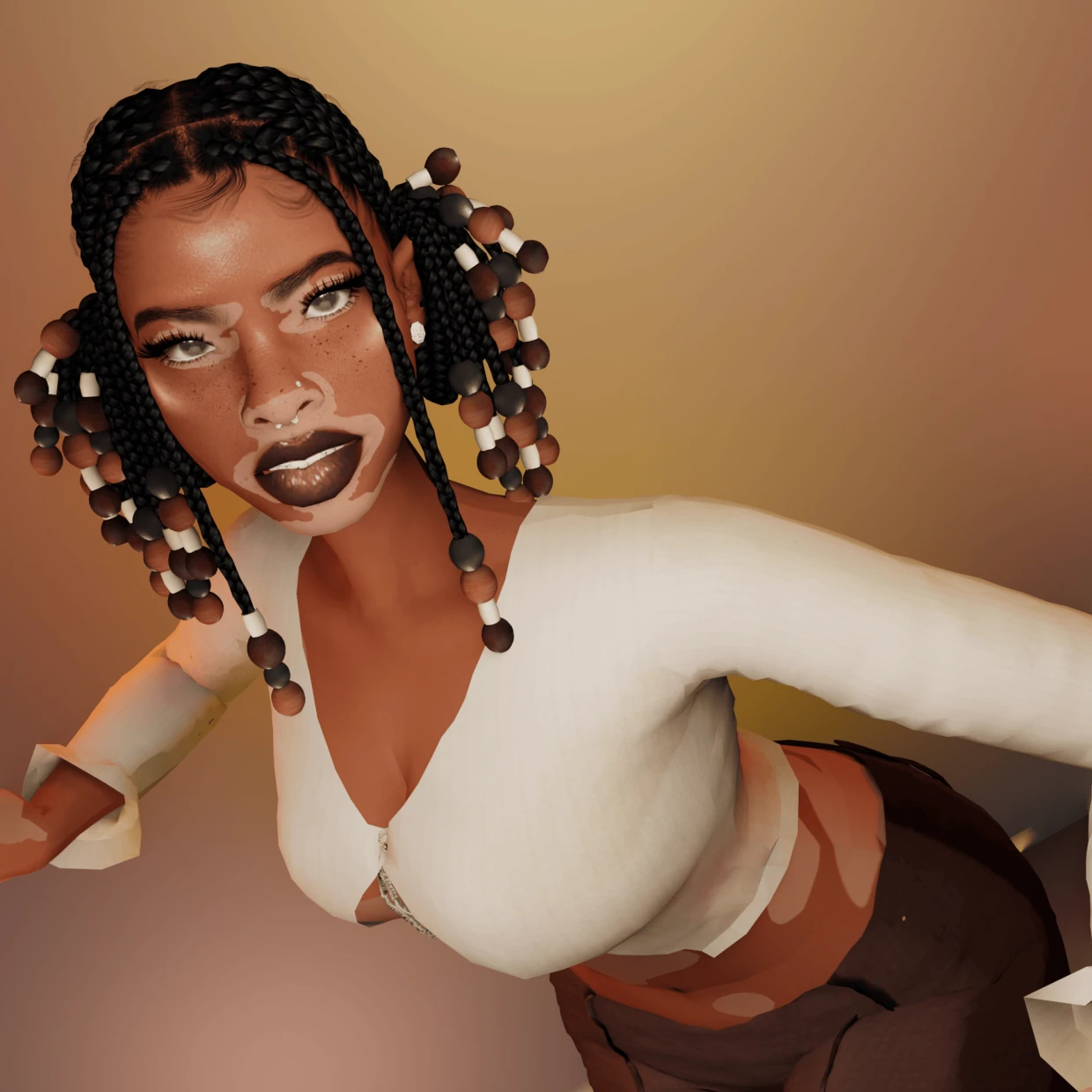
Building custom content for life simulation games like The Sims for nearly a decade exposed a glaring industry oversight: standard character creation tools systematically lacked authentic textured hair and natural coils. For award-winning creative technologist and developer Danielle Udogaranya, addressing this massive representation gap became the foundation of her entire career. Instead of waiting for major game studios to fix the problem, she took matters into her own hands by constructing specialized software pipelines from scratch.
That commitment to equity in gaming drives her technical software engineering inside Blender. Through procedural assets like the Loc and Kinky Strand Generator and the Parting Placer Tool, she automates tedious rigging processes that traditionally took weeks to complete. These custom Geometry Nodes allow 3D artists and game developers to generate intricate braids, twists, and partings in minutes without warping or distorting the mesh. By eliminating these technical hurdles, she empowers creators worldwide to design inclusive characters with unprecedented speed and precision.
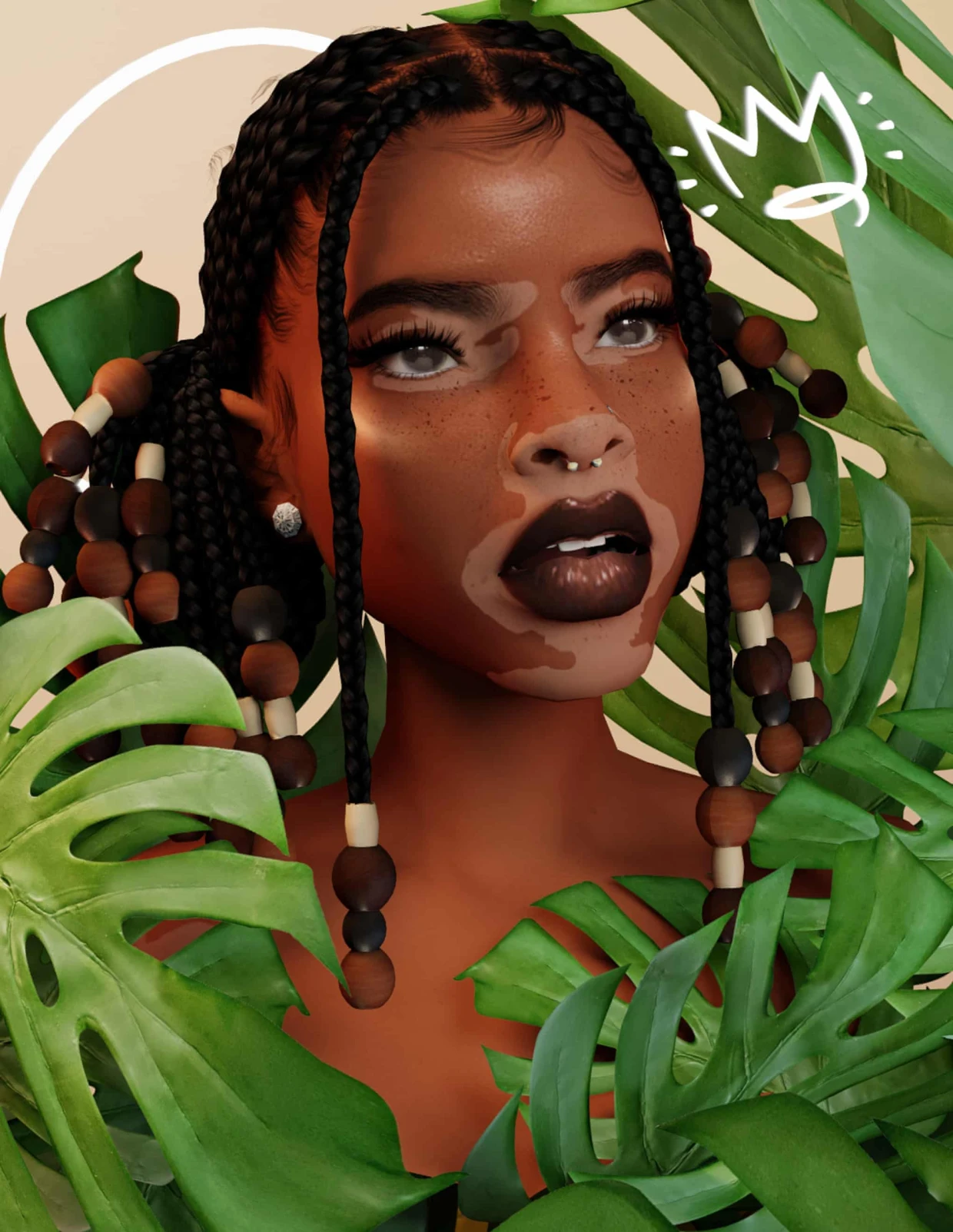
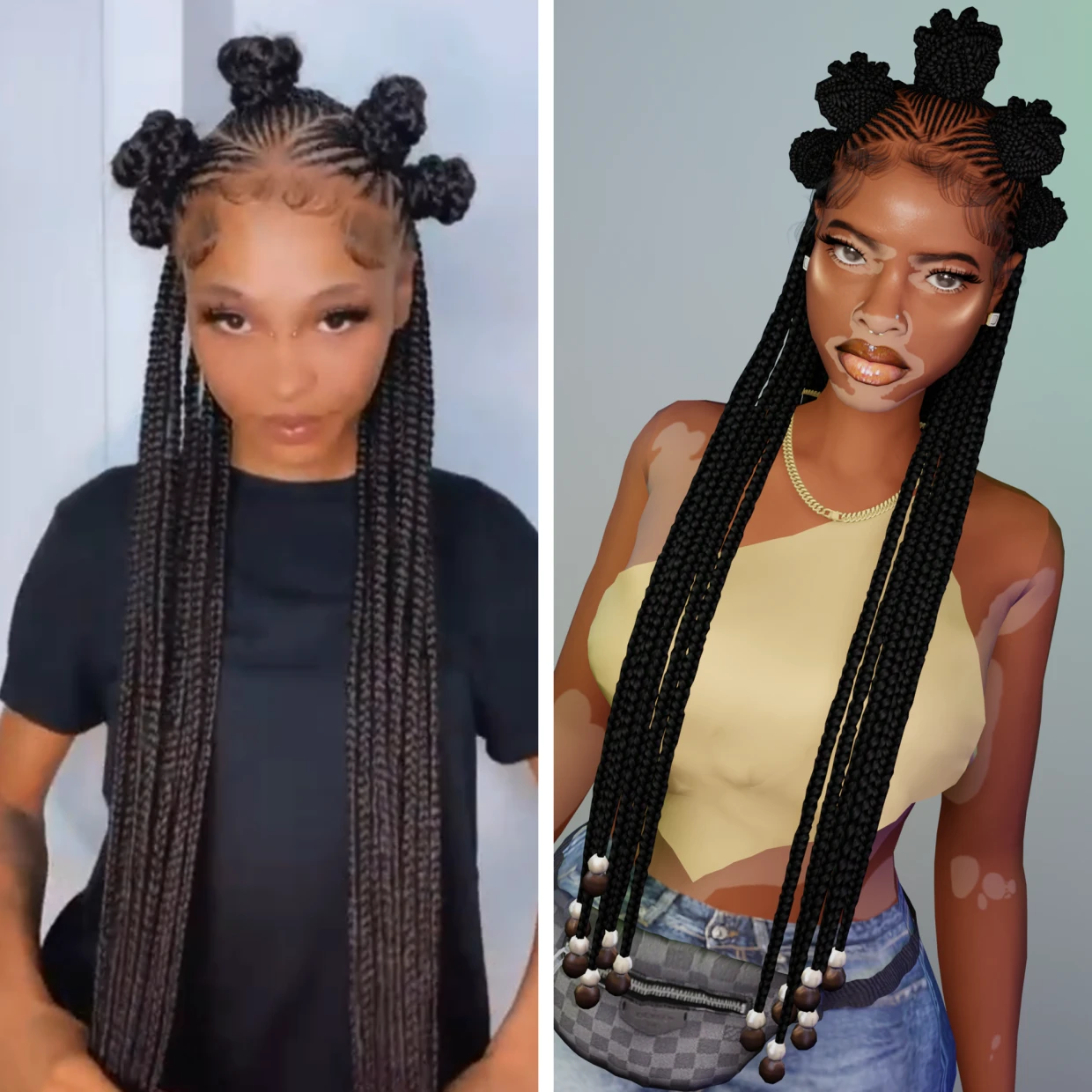
Her decade-long advocacy for digital diversity culminated in historic mainstream partnerships, most notably her official collaboration on The Sims Urban Homage Kit. This milestone project immortalized cultural staples, baby hairs, and textured coils directly inside the game engine for millions of players globally. Having spent years modifying games because her own stories could not be told authentically, she turned her personal frustration into an industry-standard asset pack that permanently expanded how virtual spaces celebrate Black identity.
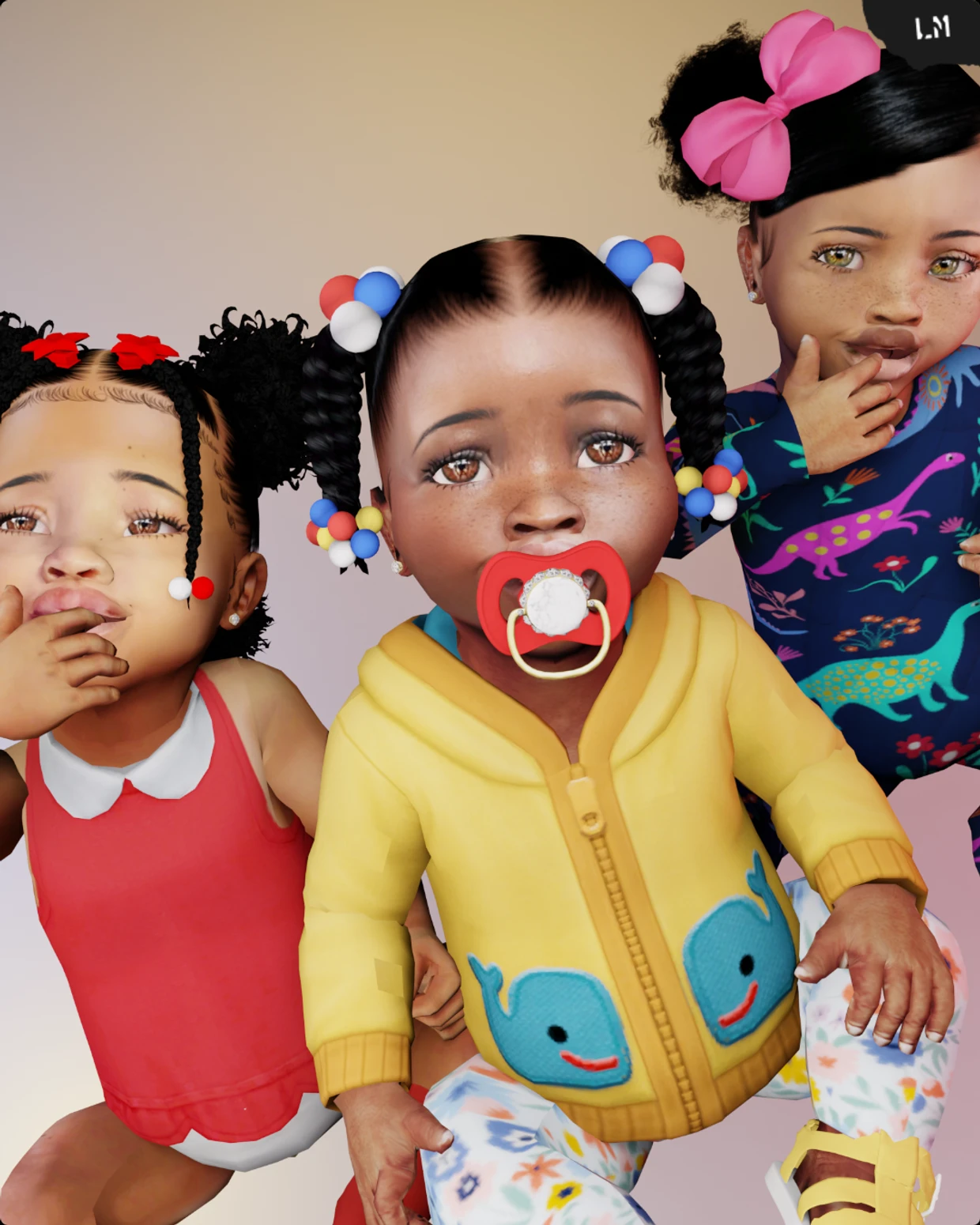
Beyond software development and game assets, her creative footprint extends dynamically into physical and augmented reality experiences. Her curated project line features augmented reality trading cards styled after iconic Black hair products, bridging cutting-edge tech with tangible cultural nostalgia. She also frequently shares these innovations live, such as hosting high-energy community streaming sessions alongside prominent figures like Megan Thee Stallion and Quen Blackwell at events like DreamCon.
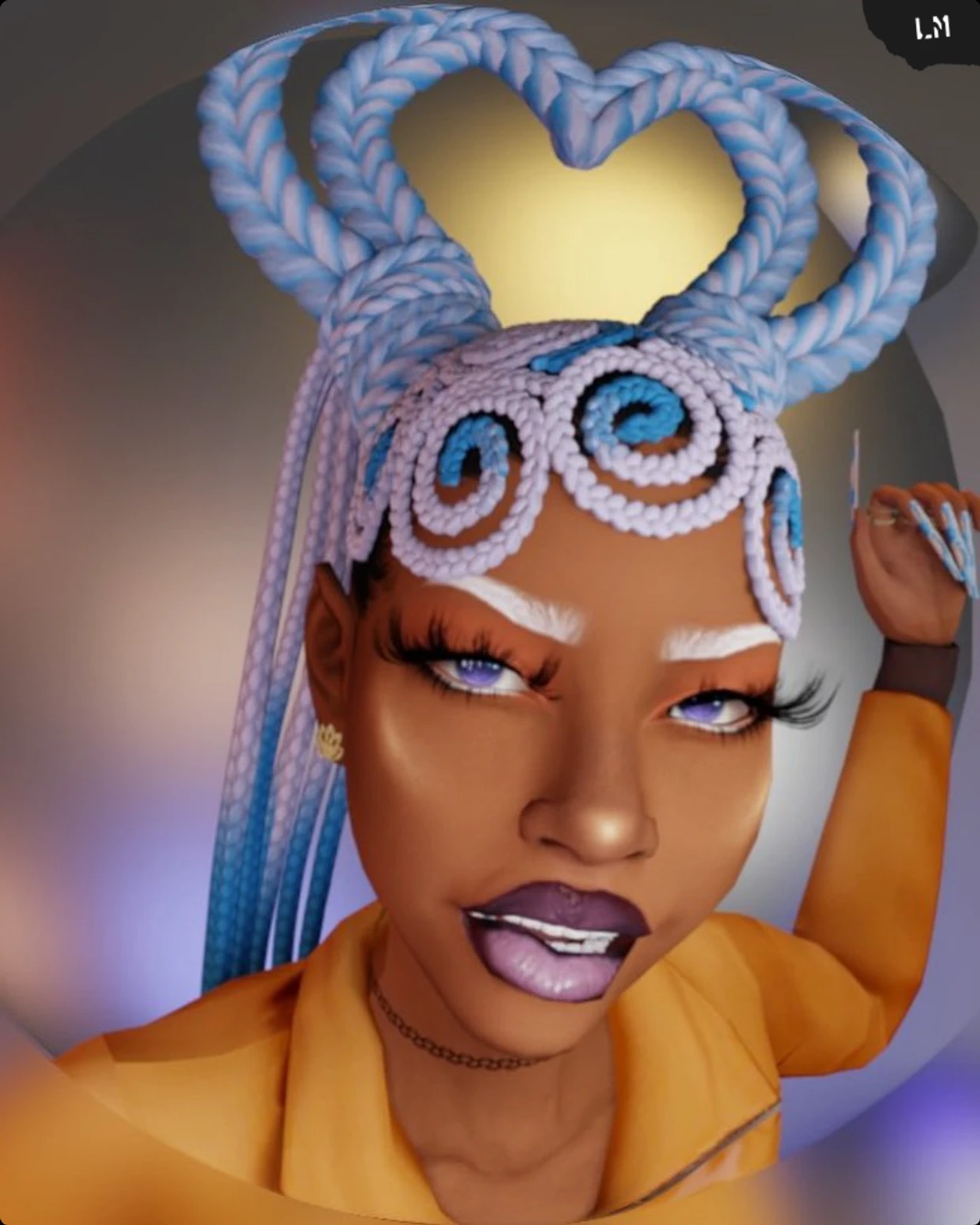
Through initiatives like The Ebonix Foundation and educational masterclasses, she continues to mentor the next generation of underrepresented creators entering the tech space. Whether she is delivering TEDx talks on the emotional cost of missing representation or releasing new digital asset packs, her output remains dedicated to cultural visibility. Her platform serves as a vital bridge connecting technical innovation with community advocacy.
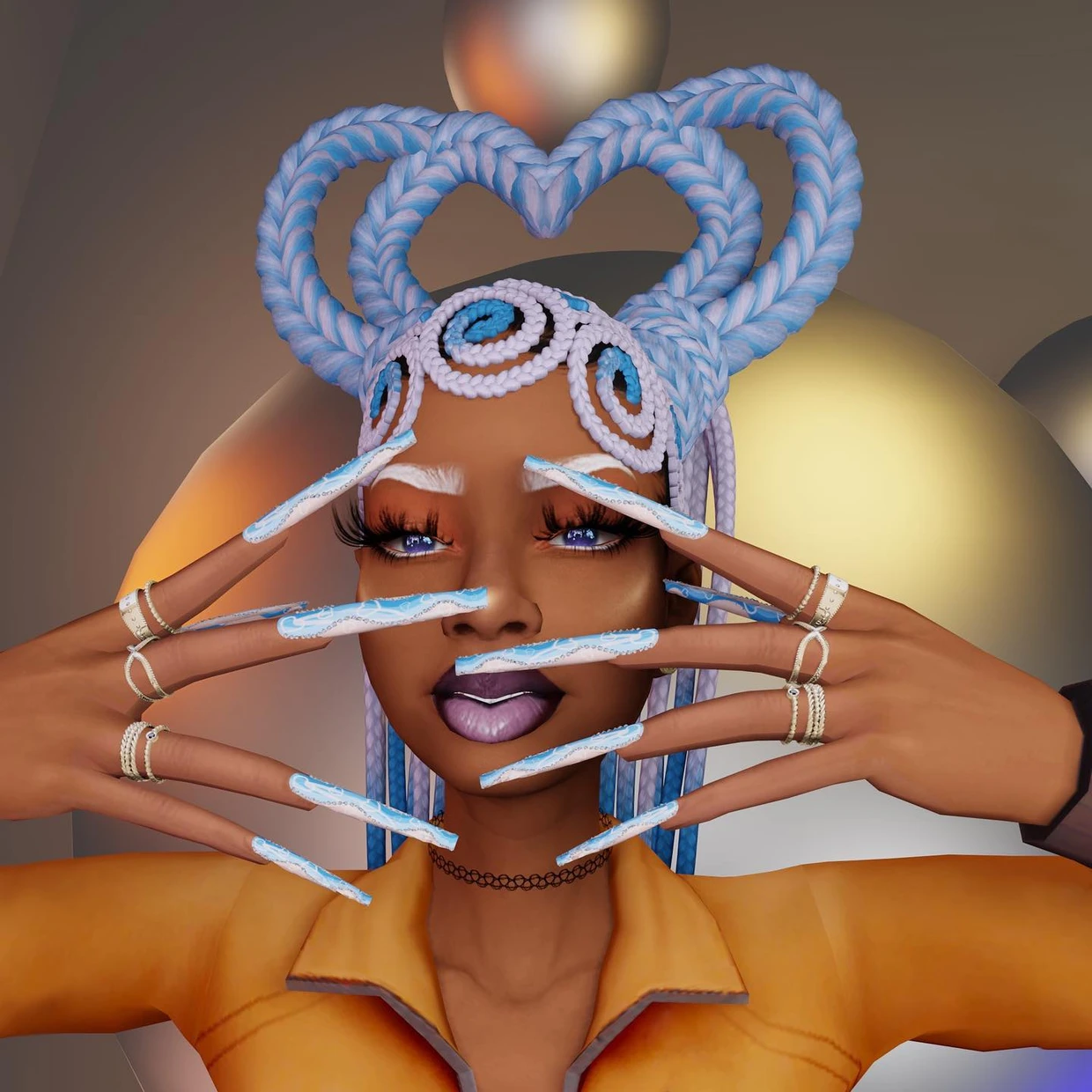
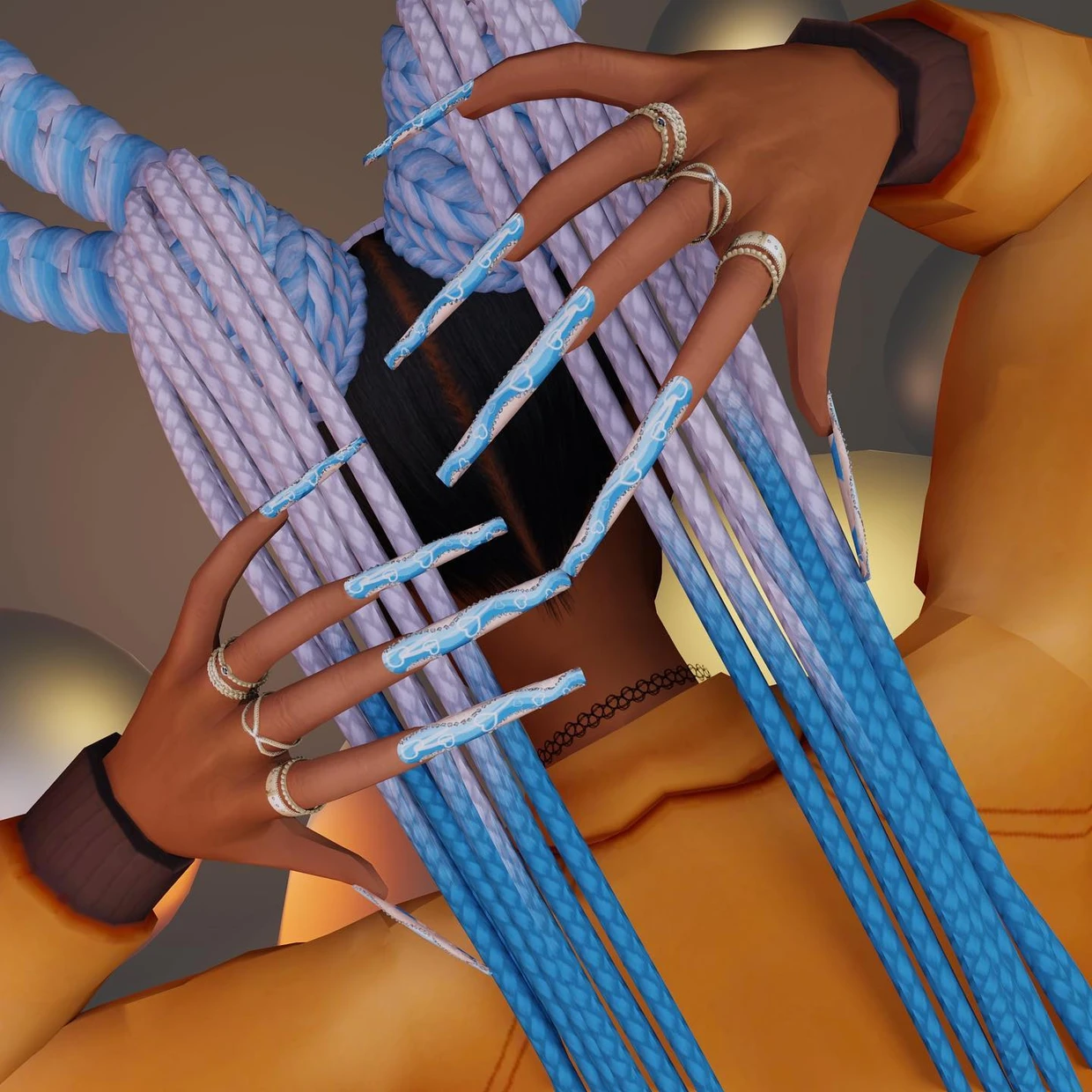
By treating procedural code and 3D design as instruments of cultural validation, she proves that technical innovation and representation belong together. Her pioneering tools continue to lower the barrier to entry for game developers who want to feature authentic textured hair without hitting structural limitations. Through a relentless commitment to equity in gaming, Danielle has permanently altered how digital spaces celebrate Black identity.